
Best ear protection for loud power tools comes down to two things most people overlook until it hurts: how much sound reduction you truly need for your tools, and whether you will actually wear the gear for the whole job.
If you use a table saw, miter saw, router, grinder, impact tools, or a gas-powered mower, you already know the pattern, “It’s only a few cuts,” becomes an hour, then your ears feel hot, muffled, or you notice ringing later that night. That’s not just annoying, it can be a sign you pushed your ears too hard.
This guide is built for real home shops and job sites, not lab-perfect scenarios. We’ll cover what ratings mean, when earmuffs beat earplugs, when doubling up is smart, and how to choose gear you can tolerate in heat, dust, and long sessions.

What “loud power tools” do to your hearing (and why it adds up fast)
Noise damage often feels invisible in the moment, because your body adapts. Your brain turns the volume down, you feel “fine,” then later you notice ringing or a dull sense of pressure. Many people treat that as normal shop fatigue, but repeated exposure is the problem.
According to NIOSH (National Institute for Occupational Safety and Health), prolonged exposure to loud noise can increase risk of noise-induced hearing loss, and the risk rises as sound level increases or exposure time extends. If you already have tinnitus or hearing concerns, it’s worth discussing protection choices with a qualified professional.
Power tools also produce “spiky” noise, not just steady hum. Nail guns, impact drivers, and grinders can hit sharp peaks, and those peaks are exactly where “good enough” protection can fall short.
Ratings that matter: NRR, SNR, and what to aim for in practice
Most U.S. hearing protection uses NRR (Noise Reduction Rating). You’ll also see SNR on some products, which is the European standard. The mistake is treating the number as a guarantee of how quiet things will feel.
In the real world, fit and wear-time usually matter more than the label, because gaps around a muff seal or a poorly inserted foam plug can reduce protection a lot.
A quick, usable way to interpret NRR
- NRR 20–23: Often okay for intermittent saw use or lower-intensity tasks, assuming decent fit.
- NRR 24–27: A common “shop sweet spot” for many loud electric tools.
- NRR 28–33: Better for very loud tools, long sessions, or when you know your fit is inconsistent.
If you’re working near extremely loud sources, or you have multiple tools running in a tight space, doubling up (plugs + muffs) often makes sense. That said, doubling up doesn’t simply add the two numbers together, you get diminishing returns.
Key takeaway
- Choose the highest rating you can wear comfortably for the whole job, then improve fit before chasing bigger numbers.
Earplugs vs. earmuffs vs. electronic options: which fits your work style?
There isn’t a single winner for everyone. The “best ear protection for loud power tools” depends on whether you need quick on/off, communication, eyewear compatibility, or cooling.
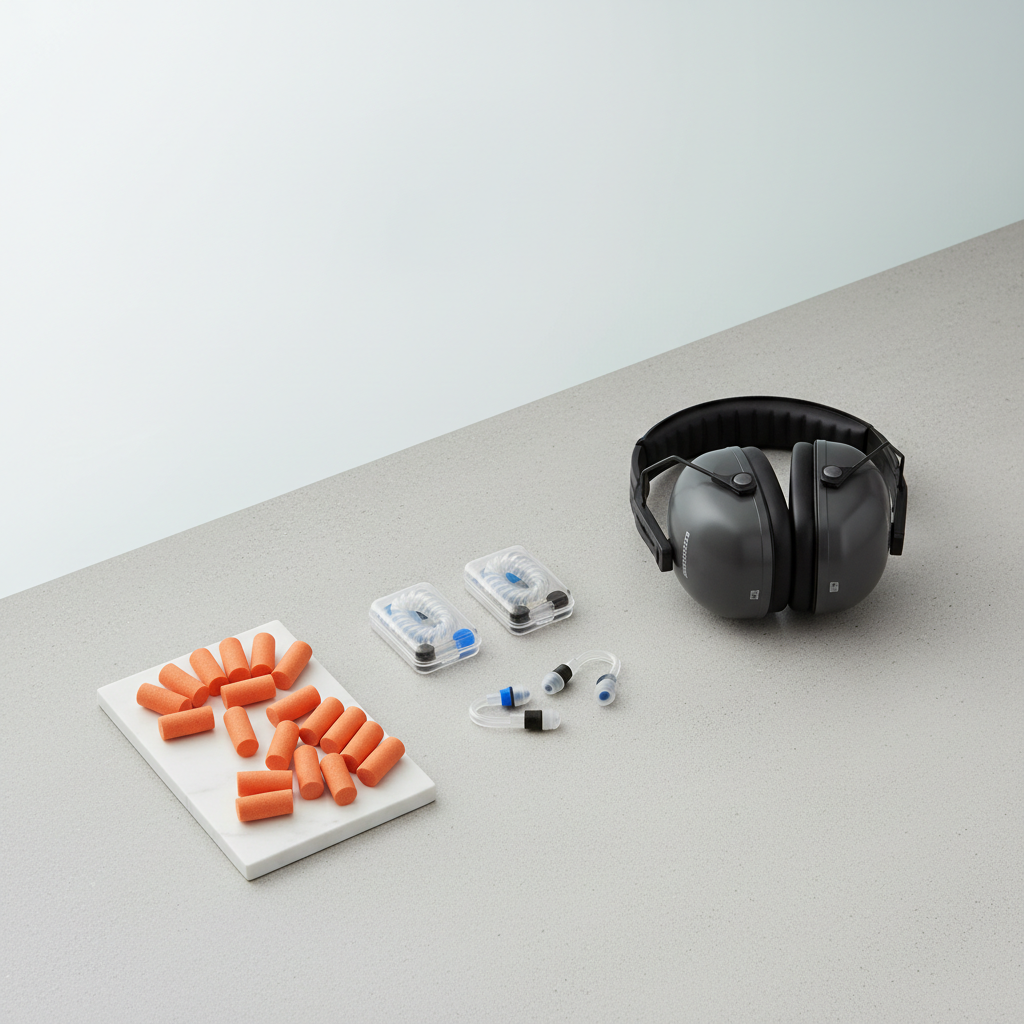
Foam disposable earplugs
- Pros: High potential protection, cheap, fits under face shields and weld helmets.
- Cons: Fit is easy to mess up, dirty hands make them gross fast, easy to lose.
- Best for: Dusty cutting days, long runs on saws, when you want maximum reduction without bulk.
Reusable plugs (silicone, flanged, or custom-molded)
- Pros: Faster to insert, less waste, easier to keep consistent fit.
- Cons: Can feel “pluggy” or irritating for some, must be cleaned.
- Best for: Regular DIYers who want reliable protection without constantly rolling foam.
Over-ear earmuffs (passive)
- Pros: Quick on/off, obvious when you’re protected, great for visitors in your shop.
- Cons: Heat buildup, seal breaks with some eyewear, can bump into stock or headrests.
- Best for: Short bursts, tool changes, jobsite scenarios where you remove protection often.
Electronic earmuffs (level-dependent / “hear-through”)
- Pros: Lets speech through while reducing harmful peaks, helpful for teamwork.
- Cons: Cost, batteries, and some models amplify wind noise or hiss.
- Best for: Job sites, range-style use cases, or anyone who keeps pulling protection off to talk.
How to choose: a practical checklist before you buy
Before you compare brands, get clear on your constraints. Most “bad” choices are really “wrong for my workflow” choices.
- What tools dominate your week? Router and grinder sessions usually call for more protection than occasional drill work.
- How long are you exposed? Ten minutes of cuts is different from a weekend cabinet build.
- Do you wear safety glasses all day? Thick temples can break an earmuff seal.
- Heat and sweat tolerance: In summer garages, foam plugs often feel easier than muffs.
- Need to communicate? Consider electronic muffs or a plan for quick safe talk breaks.
- Helmet/hard hat required? Look for cap-mounted or compatible muffs.
If you want a simple rule, aim for protection you can keep on through setup, measuring, and cleanup, not only while the blade spins.
Recommended protection by scenario (with a quick comparison table)
This is where most readers want a straight answer. Instead of a single “best,” here’s what typically works best in common U.S. scenarios. Treat it as a starting point, and adjust for comfort and fit.
| Scenario | Typical best choice | Why it works | Watch-outs |
|---|---|---|---|
| Weekend garage woodworking (table saw, miter saw) | Passive earmuffs (mid/high NRR) or foam plugs | Easy routine, strong reduction | Glasses can break muff seal |
| All-day remodeling (impact driver, saws, hammer drill) | Reusable plugs + keep muffs nearby | Comfort over time, quick transitions | Don’t “half insert” plugs |
| Metal grinding/cutting | Foam plugs or low-profile muffs | Handles harsh high-frequency noise | Sparks/dust mean you must keep gear clean |
| Outdoor gas tools (mower, leaf blower) | Comfort-focused muffs, optional electronic | Easy on/off, consistent coverage | Wind can affect some electronic mics |
| Confined spaces or multiple loud tools nearby | Double protection (plugs + muffs) | Extra margin when environment is intense | Communication becomes harder |
When in doubt, start with one good set of earmuffs and a box of foam plugs. You’ll learn quickly which you reach for, and that tells you what to upgrade.
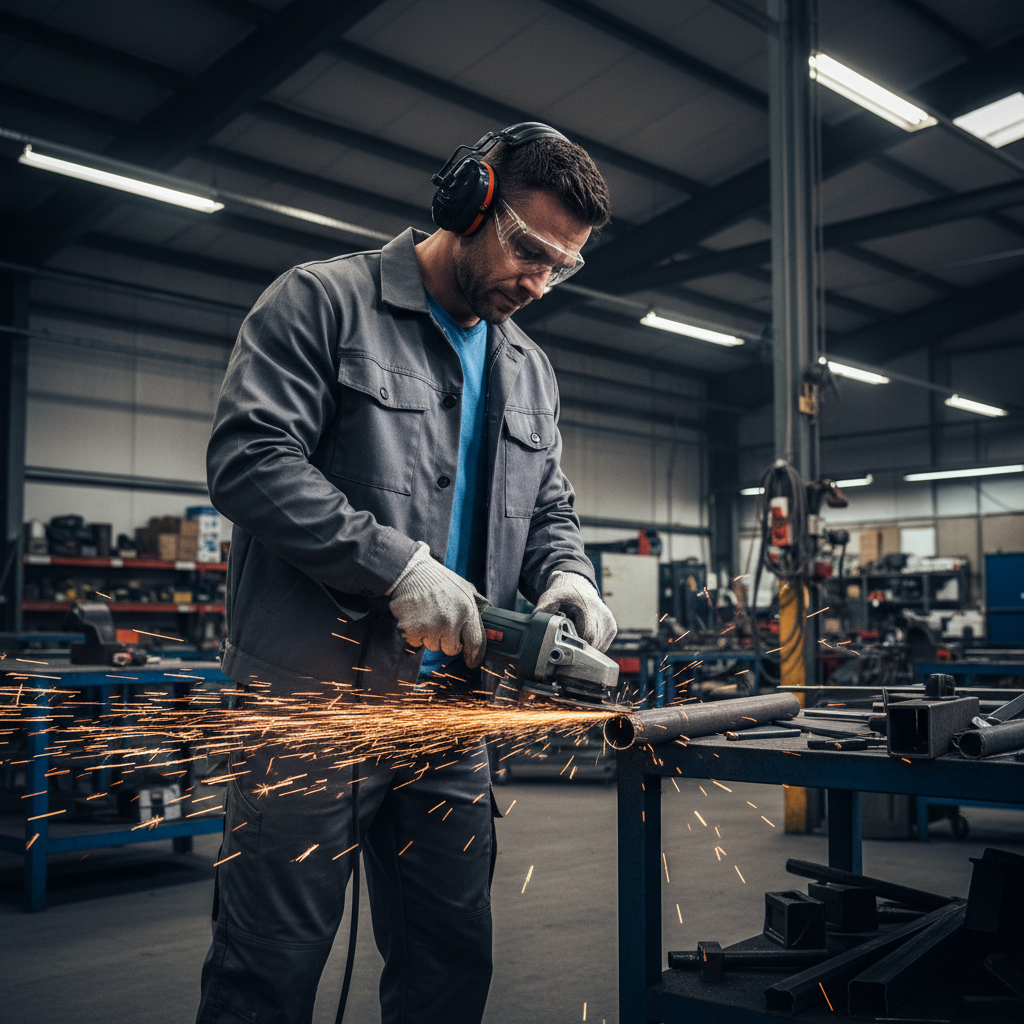
Fit is everything: how to wear ear protection so it actually protects
A high-rated product with poor fit can underperform a lower-rated product worn correctly. This is the unsexy part, but it’s where you get real results.
Foam earplug fit check (quick)
- Roll the plug into a tight cylinder with clean fingers, not a loose “cigar.”
- Reach over your head and gently pull your ear up and back, insert deeper than feels intuitive.
- Hold in place until it expands, then speak out loud, your voice should sound noticeably internal.
- If one ear feels louder, redo that side, don’t accept “close enough.”
Earmuff seal check
- Hair, hoodie strings, and glasses temples can create tiny gaps that matter.
- Press cups gently, if noise drops a lot, the seal was leaking.
- Replace cushions when they get stiff, cracked, or permanently flattened.
Key point: If you keep taking protection off because it pinches, that’s a fit problem, not a discipline problem. Switch style or sizing.
Mistakes that quietly ruin protection (even if you bought “the good stuff”)
- Only wearing protection while cutting, then standing next to the running shop vac or compressor unprotected.
- Using old foam plugs pulled from a pocket, they deform, get dirty, and often fit poorly.
- Assuming electronic muffs equal high reduction; electronics help awareness, the seal and rating still matter.
- Cranking music under muffs; it can push exposure back up, especially for long sessions.
- Ignoring comfort triggers like heat, clamp force, or pressure points, this is why people “forget” to wear them.
When to double up, and when to ask a pro
Double protection is worth considering when you use extremely loud tools for long periods, work in small reflective rooms, or can’t control distance from the noise source. It’s also a reasonable move if you already have ringing after tool use.
According to OSHA, employers must manage noise exposure in workplaces and may require hearing protection and hearing conservation practices at certain noise levels. If you’re on a jobsite, follow site rules and talk with your safety lead if you suspect exposure is high.
If you notice persistent ringing, muffled hearing the next day, pain, or dizziness, it’s sensible to consult a clinician such as an audiologist, because those symptoms can have multiple causes beyond noise.
Conclusion: a smart, wearable setup for 2026
Most people don’t need a complicated system, they need a setup they will wear without bargaining with themselves. For many DIYers, that’s one comfortable pair of earmuffs plus foam plugs as backup. If you work with a crew or constantly talk while tools run, electronic muffs can be the difference between wearing protection all day or “just for a minute.”
Your next step: pick one option you can commit to for a week of projects, then adjust based on comfort, seal, and whether you kept it on during the noisy “in-between” moments.