
Oil syringe hand pump manual tools solve a simple but annoying problem: moving small amounts of oil (or other compatible fluids) cleanly, without spills, wasted product, or awkward funnels that never quite fit.
If you work on cars, motorcycles, marine gearcases, small engines, farm equipment, or even shop machinery, you already know the pain point. You don’t always need a big transfer pump, you need precision, control, and the ability to reach tight fill ports.
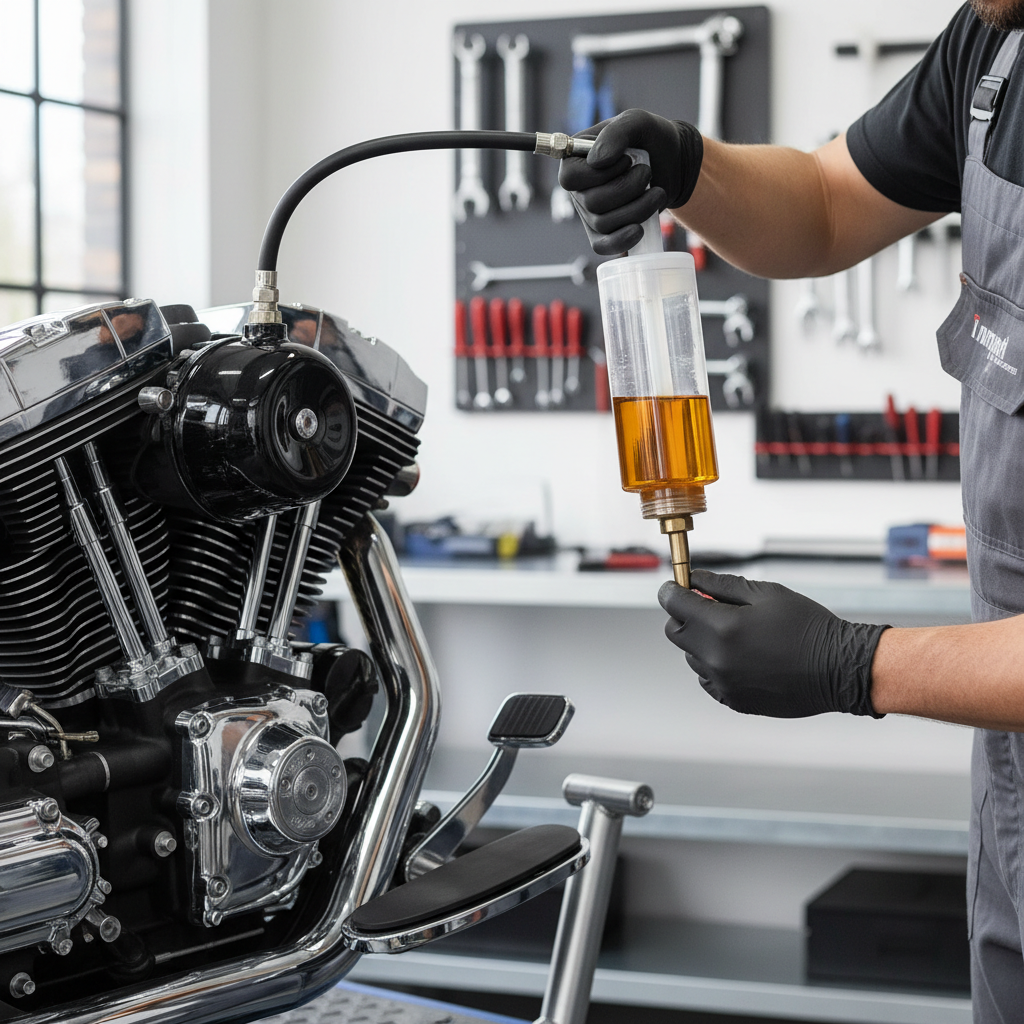
One quick note before we get into selection and technique: “oil syringe” products vary a lot. Some are basically big plastic syringes, others add a hand pump and hose that behave more like a mini transfer system. The details matter, especially around seal materials and hose fit.
What a Manual Hand Pump Oil Syringe Really Is (and Where It Fits)
In most shops, a manual oil syringe with a hand pump sits between a basic squeeze bottle and a full-size fluid transfer pump. It’s designed for small-volume, accurate filling and for pulling fluid out of hard-to-reach areas.
Common use cases include:
- Gear oil changes on motorcycles, ATVs, and small gearboxes
- Marine lower unit fills where you want controlled flow
- Power equipment maintenance where funnels spill easily
- Top-offs for differentials, transfer cases, small reservoirs (when appropriate)
Typically, you get a reservoir body (or cylinder), a plunger/pump mechanism, and one or more hoses/nozzles. The “manual” part is important: you control the flow by hand pressure, so you can slow down near the end and avoid overfilling.
Why Spills Happen: The Usual Failure Points
When people complain that a syringe “doesn’t work,” it’s usually one of a few real-world issues rather than user error. The tool may still be fine, just mismatched to the fluid or the job.
- Viscosity mismatch: Thick gear oil moves slower, thin oils can surge and overshoot when pressure changes.
- Air leaks at fittings: A tiny gap at a hose barb, cap, or O-ring can break suction and make pumping inconsistent.
- Seal incompatibility: Some plastics or rubbers swell or soften with petroleum products, solvents, or certain additives.
- Wrong hose diameter: If the hose can’t seat securely, it can pop off under pressure at the worst time.
- Dirty tool: Old fluid and grit can interfere with check valves (if the design uses them) and scratch cylinder walls.
According to OSHA, controlling spills and keeping walking-working surfaces clean helps reduce slip hazards in work areas, so it’s not just about being neat, it can be a basic safety habit in a garage or shop.
Quick Self-Check: Do You Need a Syringe, a Pump, or Something Else?
Before buying or blaming a tool, it helps to classify your situation. This takes 30 seconds and saves you from buying the wrong style.
Choose an oil syringe-style tool if you need:
- Small-to-medium volumes with high control
- A narrow hose to reach recessed or side-facing ports
- Easy stops/starts without drips continuing for seconds
Choose a larger transfer pump if you need:
- Frequent fluid moves, bigger containers, or repeated jobs
- Faster flow rate is more important than precision
Skip both and troubleshoot the equipment if:
- The fill port is blocked, cross-threaded, or damaged
- You suspect the unit is overfilled and venting (a common “why is it pushing back?” moment)
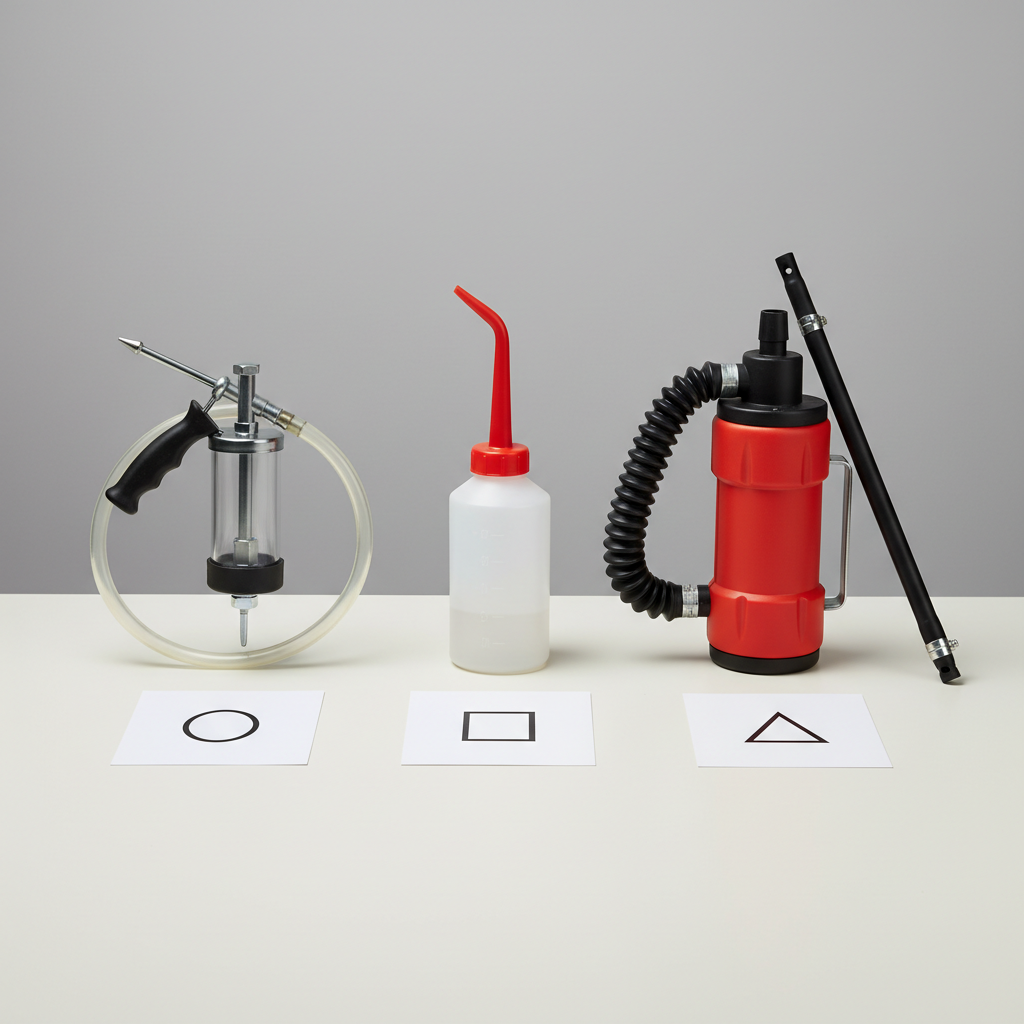
If you read that and think “I’m doing tiny top-offs and I’m tired of the mess,” you’re exactly the audience for an oil syringe hand pump manual setup.
What to Look for When Buying (Materials, Volume, and Hose Fit)
This is the section most product pages gloss over, but it’s where long-term satisfaction comes from.
1) Capacity and markings
- Pick a size that matches your routine jobs. Too small means constant refills, too big gets clumsy in tight bays.
- Look for clear volume graduations you can read while holding the tool at an angle.
2) Seal and body materials
Compatibility depends on what you move through it. Many units handle common motor oils and gear oils well, but if you’re transferring specialty fluids, check the manufacturer’s compatibility notes.
- Nitrile (NBR) seals often work well with petroleum oils in many cases.
- Viton (FKM) is often chosen for broader chemical resistance, but costs more.
- Avoid unknown soft plastics if you plan to use anything beyond basic oils.
3) Hose retention and tip options
- Prefer barbed fittings with clamps or secure threaded connections for higher confidence.
- Having multiple tips matters more than it sounds, a slightly different nozzle can be the difference between “easy fill” and “why won’t this go in.”
4) Cleaning and serviceability
If you maintain different machines, you may want a design that comes apart easily for flushing. Cross-contamination is real, especially if you bounce between gear oils and other lubricants.
How to Use a Manual Oil Syringe Without the Usual Mess
Using an oil syringe is straightforward, but the clean result comes from a few habits. The goal is steady flow, no surprises, and no drips after you stop.
Step-by-step workflow
- Stabilize the container: Set the oil bottle on a flat surface, don’t hold it mid-air while drawing fluid.
- Prime the hose: Draw a small amount and push it back once, this can help remove air pockets that cause spurts.
- Seat the hose at the fill port: Push it in far enough that it won’t slip out under hand pressure.
- Pump slowly near full: The last 10–15% is where people overfill, slow down and watch for backflow.
- Stop clean: Release pressure, then keep the tip pointed slightly upward before withdrawing to reduce drips.
According to NIOSH, keeping exposures and contact with chemicals lower is a smart baseline practice; even common shop fluids can irritate skin in some situations, so gloves and a wipe-ready setup usually pay off.
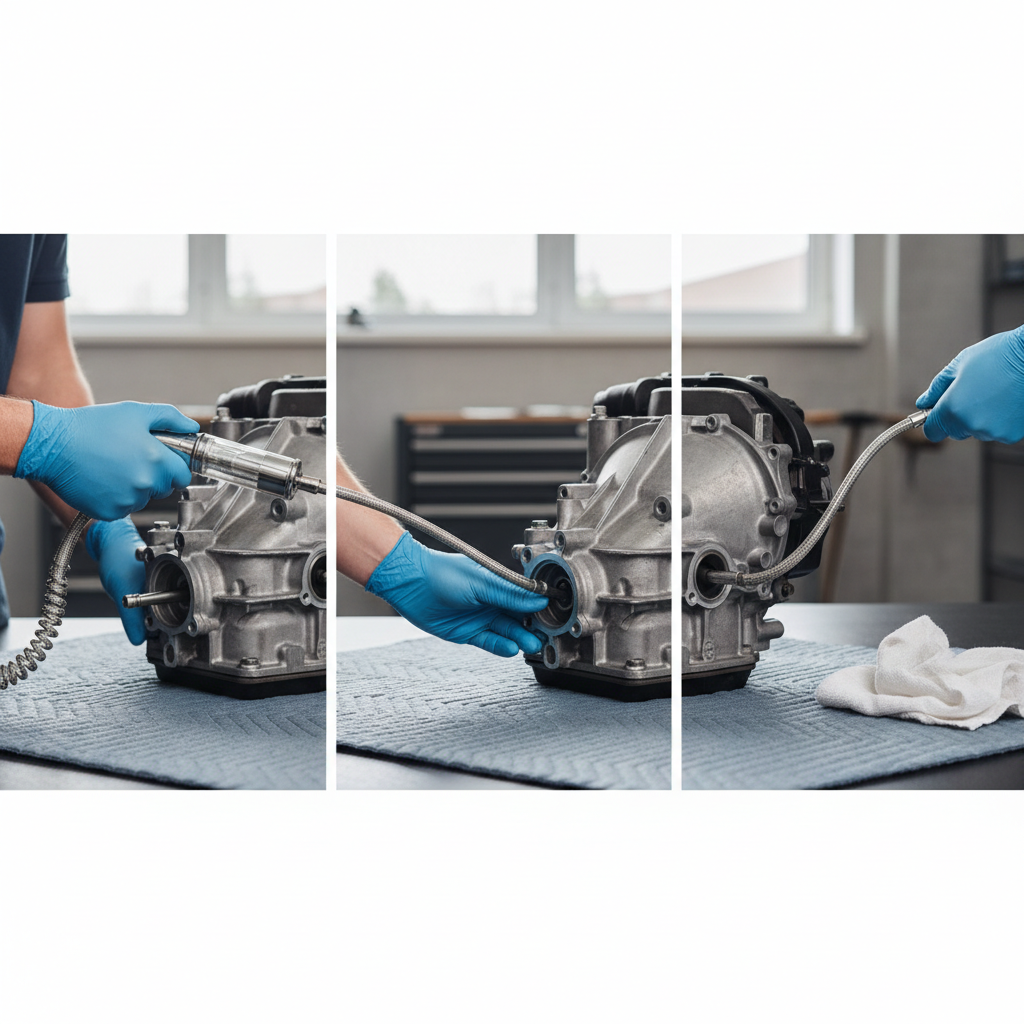
If your tool uses a check-valve pump design, slow strokes typically work better than aggressive pumping. Fast pumping can pull air past seals or foam certain oils, which makes the last part of filling feel unpredictable.
Troubleshooting: When It Won’t Draw, Won’t Push, or Leaks
Most issues come down to air leaks, clogged tips, or worn seals. Here’s a practical list that matches what people see in the garage.
- No suction: Check hose seating, tighten caps, inspect O-rings for nicks, and confirm the hose isn’t cracked.
- Weak flow: Fluid may be too cold and thick, warm the container to room temp and try again, or switch to a larger hose if supported.
- Drips after stopping: Pressure still trapped in the hose, pause a second before withdrawing, keep the tip elevated, wipe the nozzle.
- Hose pops off: Wrong diameter or no clamp, do not “just hold it,” fix the connection.
- Cloudy fluid: Air entrainment from fast pumping or contamination, slow down and clean the tool.
If you notice repeated seal swelling or softening, stop using that tool with that fluid. Material compatibility problems rarely get better with time.
Choosing the Right Setup: A Quick Comparison Table
Here’s a simple way to decide what to keep on your shelf.
| Tool type | Best for | Pros | Tradeoffs |
|---|---|---|---|
| Basic oil syringe (plunger) | Small, precise doses | Simple, low cost, easy to store | Can be stiff with thick oils, limited hose options |
| Oil syringe hand pump manual | Controlled filling in tight spaces | Good reach, steady control, less spill risk | More parts to clean, seals matter |
| Hand transfer pump | Frequent transfers, larger volumes | Faster, works well from jugs/drums | Less precise, bulkier, easier to overfill |
Key Takeaways and When to Get Expert Help
Key points that usually make the difference:
- Match the syringe materials to the fluid you plan to move, especially seals and hose.
- Prime the system and pump slowly near the end to avoid overshoot.
- Most “bad syringe” complaints trace back to tiny air leaks or poor hose retention.
If you’re working on equipment where the wrong fluid level can cause damage, or if you see metal flakes, burnt smell, or unexpected fluid loss, it may be worth checking the service manual and consulting a qualified mechanic. Also, if you’re handling unknown chemicals or solvents, review the SDS for that product and use appropriate PPE.
For a practical next step, pick one job you do often, then choose a manual pump syringe sized for that volume and with tips that actually fit your ports. Once you use a setup that doesn’t drip, you’ll be less tempted to “just use a funnel” and hope for the best.
FAQ
What is an oil syringe hand pump manual tool used for?
It’s mainly used to transfer oil or similar fluids with control, especially into tight fill ports where funnels spill. Many people use it for gear oil fills and small top-offs.
Can I use a manual oil syringe for gear oil?
Usually yes, but thick gear oil can feel slow. A wider hose and steady pumping help, and working at room temperature often improves flow.
Why does my oil syringe lose suction?
In many cases it’s an air leak at the hose connection or a damaged O-ring. Tighten fittings, inspect seals, and confirm the hose isn’t hardened or cracked.
How do I stop dripping after I finish pumping?
Pause briefly to let pressure equalize, keep the nozzle slightly elevated as you pull it out, then wipe the tip. Drips are often trapped pressure rather than “bad oil.”
Is it safe to use the same syringe for different fluids?
It can be, but cross-contamination is the risk. If the fluids differ, it’s smarter to dedicate syringes or fully disassemble and flush with a compatible cleaner, then dry before reuse.
What seal material should I look for?
For many petroleum oils, nitrile works in a lot of situations, while Viton is often chosen when broader chemical resistance matters. Because fluids vary, checking the manufacturer’s compatibility guidance is the safer move.
How do I clean a manual oil syringe?
Drain it, wipe external residue, and flush with a compatible fluid or cleaner recommended by the tool maker, then cycle the pump to clear the hose. Let it dry before storage so old residue doesn’t gum up seals.
My hose keeps popping off—what should I do?
Don’t rely on hand pressure to hold it. Confirm the correct hose size, use a clamp if the design allows, or switch to a threaded or quick-connect style that locks in place.
If you’re trying to pick a manual pump syringe for a specific job, it helps to share the fluid type, typical volume, and what you’re filling. With that, you can narrow to a setup that fits your ports and keeps transfers clean without overbuying.