
Choosing the best replacement battery for drill 2026 comes down to three things most people miss: exact platform compatibility, realistic capacity claims, and whether the pack has proper protections for heat and overcurrent.
If your drill “works but dies fast,” or your charger flashes error lights, it’s tempting to grab the cheapest battery with the highest advertised Ah rating. But in real garages and job sites, the wrong pack can mean weak torque under load, random shutdowns, or a battery that ages quickly.
This guide helps you sort OEM vs third‑party options, match voltage and terminals correctly, and choose a battery type that fits how you actually drill, drive, and fasten in 2026.
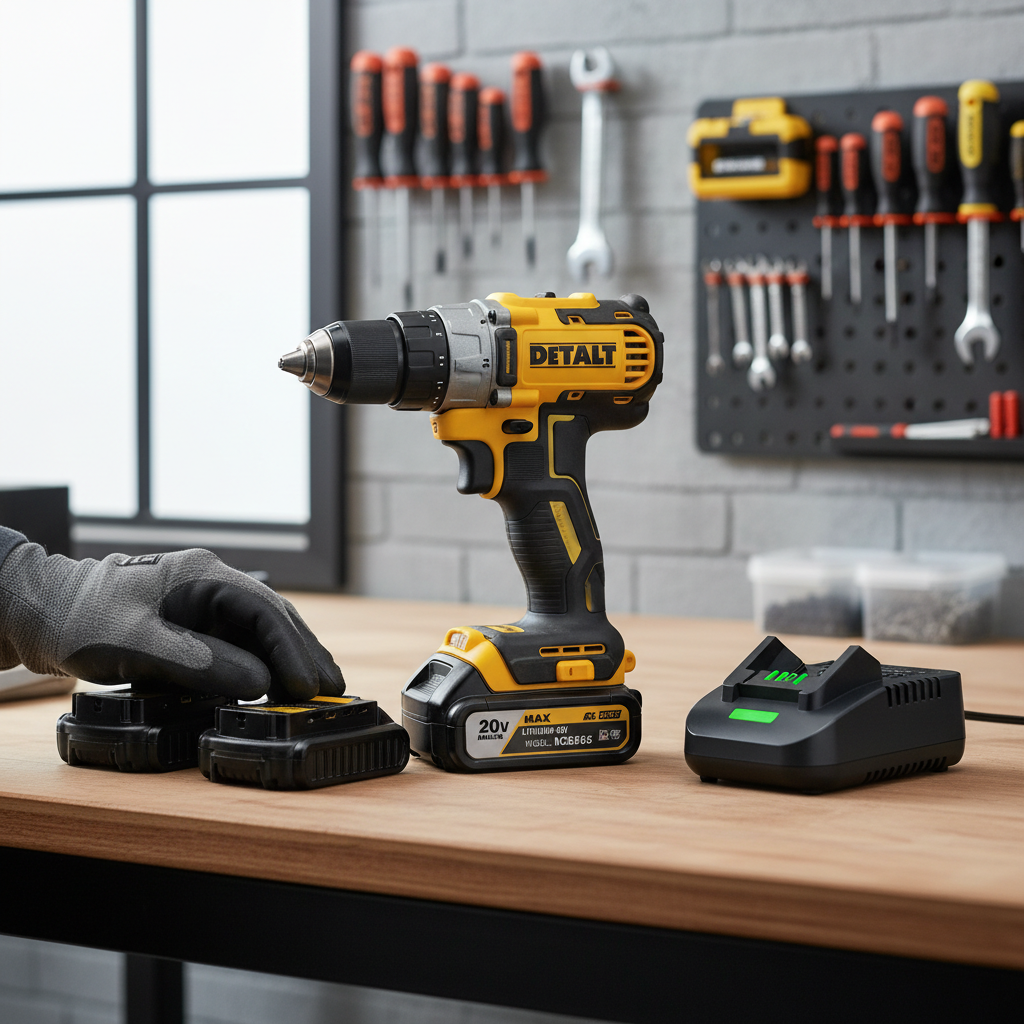
Quick conclusion (if you just want the answer)
For most U.S. users in 2026, the “best” replacement pack is usually an OEM battery on your existing platform, especially if you rely on the tool for frequent work and want predictable performance, warranty coverage, and fewer charger issues.
That said, a reputable third‑party pack can make sense when your drill is older, OEM packs are overpriced, or you only use the tool occasionally, as long as you confirm compatibility and protections.
- Daily/weekly use: lean OEM or a top-tier third party with strong safety certifications.
- Occasional home use: value third-party can be fine, but verify return policy and fit.
- Cold/heat exposure: choose a pack with robust thermal protection and store it properly.
What “best replacement battery” really means in 2026
Battery listings can make everything look identical: same voltage, same “fits Brand X,” same glossy label. But “best” usually means the pack does well in the areas that affect real drilling performance.
- Compatibility: correct voltage class (12V max, 18V/20V max, 40V, etc.), terminal layout, and charger handshake.
- Power delivery: steady current under load so your drill doesn’t bog down driving large screws.
- Heat management: better cells and a smarter BMS (battery management system) to avoid overheating and early aging.
- Honest capacity: real-world runtime close to what the label implies, not just marketing.
- Warranty + support: especially important if the pack will live on a charger in a garage year-round.
Also, naming got confusing: many brands market “20V Max” systems that are nominally 18V, so you match by platform, not just the headline number.
Why drill batteries fail early (and what it tells you)
If you’re buying the best replacement battery for drill 2026, it helps to understand why the previous one became unusable, because the “fix” differs by cause.
Common real-world causes
- Heat and high load: repeated heavy drilling (hole saws, mixing, large lag screws) pushes cells hard.
- Long storage at 0% or 100%: lithium-ion packs tend to age faster at extremes.
- Charger mismatch or dirty contacts: contact resistance creates heat, chargers may refuse the pack.
- Cheap internal cells: some packs inflate Ah claims with lower-grade cells that sag under load.
- Cold weather use: runtime drops, voltage sag triggers shutdown earlier than expected.
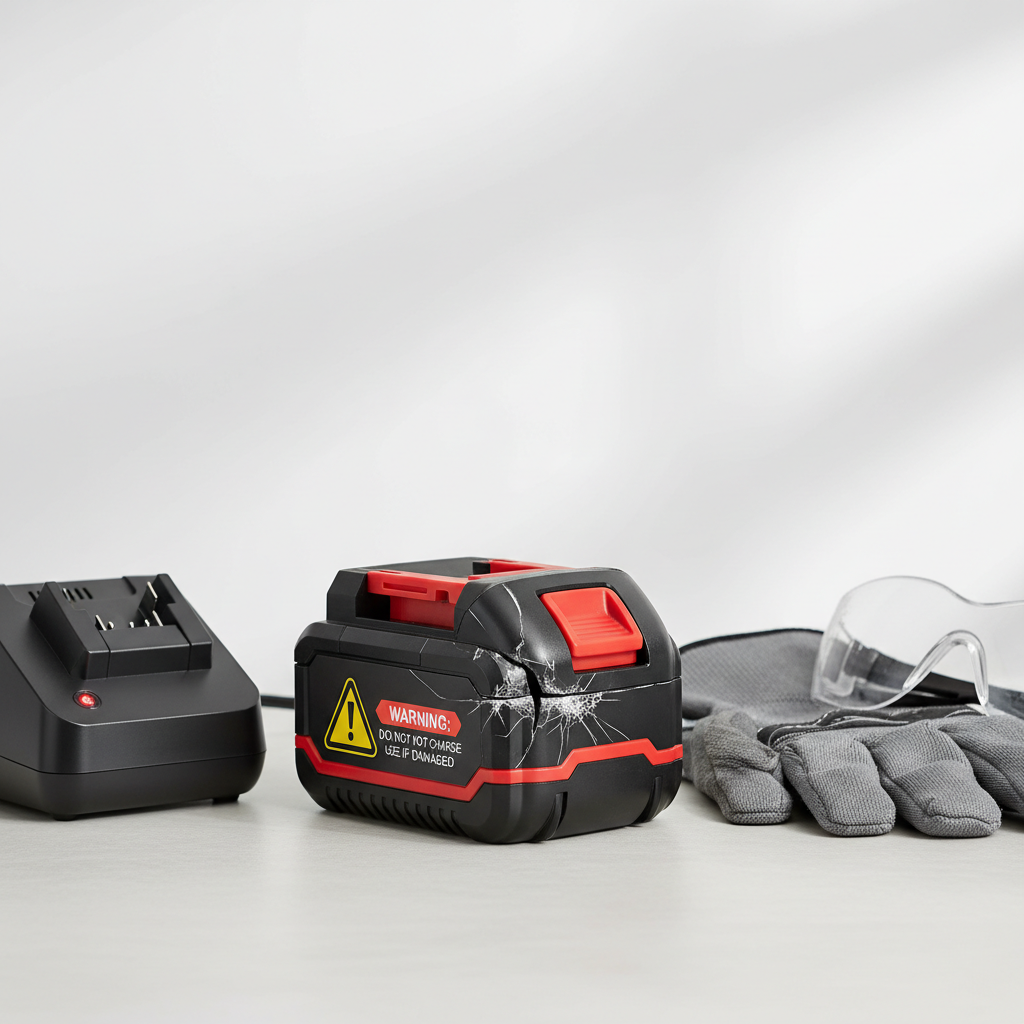
According to OSHA guidance on lithium battery safety, damaged packs and improper charging/storage can increase risk of thermal events, so it’s worth treating a swollen or cracked pack as “done,” not “maybe still fine.”
Self-check: pick the right category before you shop
Use this quick checklist to avoid buying a battery that technically “fits” but performs poorly.
- Your platform: exact brand + series (for example, 18V compact line vs high-output line can matter).
- Battery interface: slide pack vs stem pack, latch position, contact layout.
- Charger behavior: solid charging vs error light patterns (often indicates pack communication issues).
- Your workload: light duty (assembly), mixed, or high draw (hole saws, augers, masonry bits).
- Runtime pain: “dies fast” can mean low capacity, but can also mean voltage sag under load.
- Storage conditions: hot shed, cold truck, or climate-controlled indoor storage.
If you rely on one drill for everything, prioritize power delivery and protections. If you rotate multiple tools and packs, standard OEM packs can be the least headache.
OEM vs third-party: how to decide without guesswork
People usually ask this as a pricing question, but it’s more about risk tolerance and how much downtime costs you.
When OEM is typically worth it
- You use the tool for work, or you can’t afford random cutouts mid-task.
- Your charger and tools are newer and use smarter communication between pack and charger.
- You want cleaner warranty paths and predictable quality control.
When third-party can be a smart buy
- Your drill platform is older and OEM packs cost nearly as much as a new kit.
- You need extra packs for occasional projects and accept some variation in runtime.
- You can buy from a seller with easy returns and clear certification markings.
According to UL Solutions, safety certification and proper battery management are key factors in reducing risks with lithium-ion batteries, so look for credible compliance markings and avoid no-name packs with vague documentation.
Comparison table: what to look for in a replacement pack
Here’s a practical way to compare options when listings all sound the same.
| Factor | What good looks like | What to be careful about |
|---|---|---|
| Voltage/platform match | Exact series compatibility stated, correct physical fit | “Universal fit” claims, unclear model lists |
| Capacity (Ah) | Ah matches your runtime needs, weight seems plausible | Very high Ah at unusually low price, suspiciously light pack |
| Cell quality | Reputable cell sourcing stated, consistent reviews on runtime | No mention of cells, big performance variance |
| BMS protections | Overcurrent, overtemp, overcharge/overdischarge protection | No protections listed, runs hot, frequent shutdowns |
| Charger compatibility | Works on your exact charger model line | Error lights, “only works with charger X” surprises |
| Warranty/returns | Clear warranty terms, easy exchanges | Vague policies, costly return shipping |
Practical buying steps (avoid the two classic mistakes)
The best replacement battery for drill 2026 is often the one you can verify before you click “Buy.” These steps sound basic, but they prevent most wasted purchases.
Step-by-step
- Read the tool label: note the platform name and model number, not just voltage.
- Match the charger family: if your charger is “rapid,” “smart,” or “high output,” confirm the pack supports it.
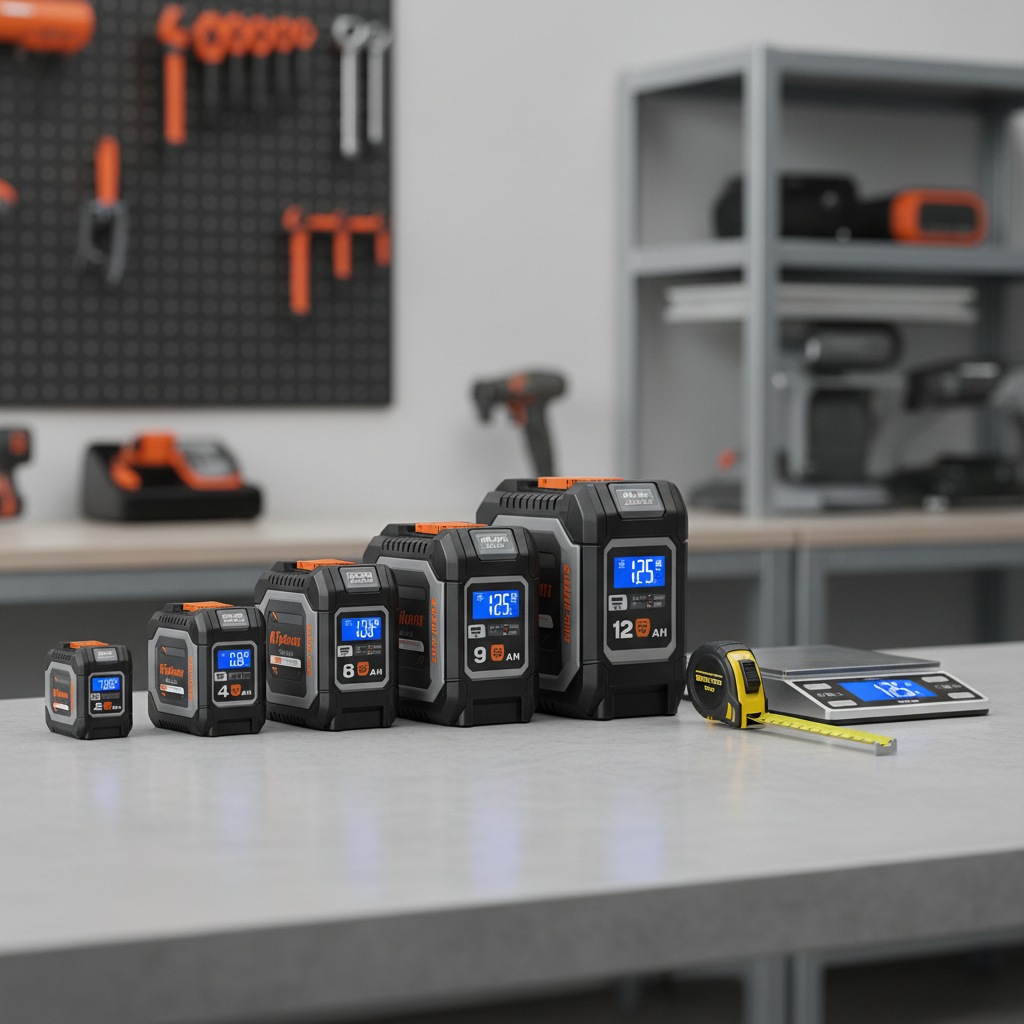
- Choose capacity based on use: higher Ah helps runtime, but adds weight and can change balance on compact drills.
- Check contact photos: compare terminal layout and latch style to your original pack.
- Buy from a seller with returns: especially for third-party packs, because fit and charger behavior can vary.
Two mistakes that cost people the most
- Overpaying for capacity you won’t use: a huge pack can be annoying on a drill for overhead work.
- Ignoring heat: if your work is high draw, prioritize packs known for better thermal handling over pure Ah.
Safety and maintenance tips that actually extend battery life
Even the right battery can feel “bad” if it’s treated poorly. Lithium-ion packs are resilient, but they still have preferences.
- Let hot packs cool: after heavy use, wait before charging, heat on top of heat ages cells faster.
- Store mid-charge when possible: many users aim for roughly 40–70% for longer storage windows.
- Keep contacts clean: dust and corrosion raise resistance, which means more heat under load.
- Avoid deep discharge cycles: repeated “run it until dead” habits can shorten lifespan in many cases.
- Don’t use damaged packs: swelling, cracking, leaking, or a burnt smell means stop and dispose properly.
According to NFPA guidance on lithium-ion battery hazards, safe charging practices and using appropriate equipment help reduce fire risk; if you’re unsure about storage or disposal rules locally, it’s reasonable to check your city or county guidance.
When to seek help (or just replace the whole tool kit)
Sometimes a battery purchase is the wrong “fix,” especially if the tool is failing electrically or mechanically.
- Your drill smells hot or sparks excessively: could be motor/brush issues, a new pack may still struggle.
- Multiple packs fail on the same tool: the tool or charger may be stressing batteries.
- Charger repeatedly errors with known-good packs: consider replacing the charger first.
- You need more power overall: upgrading to a newer platform can be cheaper long-term than chasing old packs.
If you’re dealing with overheating, swelling, or any sign of damage, it’s safer to consult a qualified tool repair shop or follow manufacturer disposal instructions rather than troubleshooting at home.
Key takeaways
- The “best” option is usually the pack that matches your platform + workload, not the biggest Ah number.
- OEM tends to win on consistency and charger compatibility, third-party can win on value with careful screening.
- Heat, storage habits, and contact cleanliness often decide whether your next battery lasts months or years.
If you want the next step, pull your drill model and charger model, then shortlist 2–3 compatible packs and choose based on workload and return policy rather than label hype.
FAQ
What is the best replacement battery for drill 2026 for most homeowners?
Usually an OEM pack in the same platform, or a well-reviewed third-party pack with clear compatibility and protections, since homeowners often value reliability more than squeezing out maximum runtime.
Can I use a higher amp-hour (Ah) battery on my drill?
Often yes if it’s the same platform, and it can increase runtime, but it may add weight and change balance, which matters more on compact drills and overhead work.
Why does my new battery show full but the drill shuts off under load?
This is commonly voltage sag or an overcurrent protection trigger, which can happen with weaker cells, a struggling tool motor, or a pack not designed for high draw tasks.
Are third-party drill batteries safe?
Safety varies by manufacturer, so look for credible safety markings, clear seller support, and avoid packs with poor fit or excessive heat; if anything seems off, stop using the pack.
Do I need to replace the charger when I replace the battery?
Not always, but if the charger is old, runs unusually hot, or shows repeated error codes, replacing it can prevent damage to the new pack.
How should I store drill batteries to make them last longer?
Many users store lithium-ion packs in a cool, dry place, not on the charger indefinitely, and avoid long storage at 0% or 100% when practical.
What are signs a drill battery should be recycled instead of reused?
Swelling, cracks, leaking, strong odor, melted plastic, or repeated overheating are strong signs to stop using it and follow local recycling or hazardous waste guidance.
If you’re trying to pick the best replacement battery for drill 2026 and you’re stuck between two packs, it usually helps to share your drill model, charger model, and how you use it, then you can narrow to the option that fits your platform and workload without overpaying.