
floor scraper heavy duty blade is usually what people reach for when old adhesive, vinyl, or thinset refuses to come up, and a light scraper just chatters across the surface.
If you have ever burned an hour on one stubborn room, you already know the real cost is not just time, it is also gouges in the subfloor, sore wrists, and blades that dull way too fast.
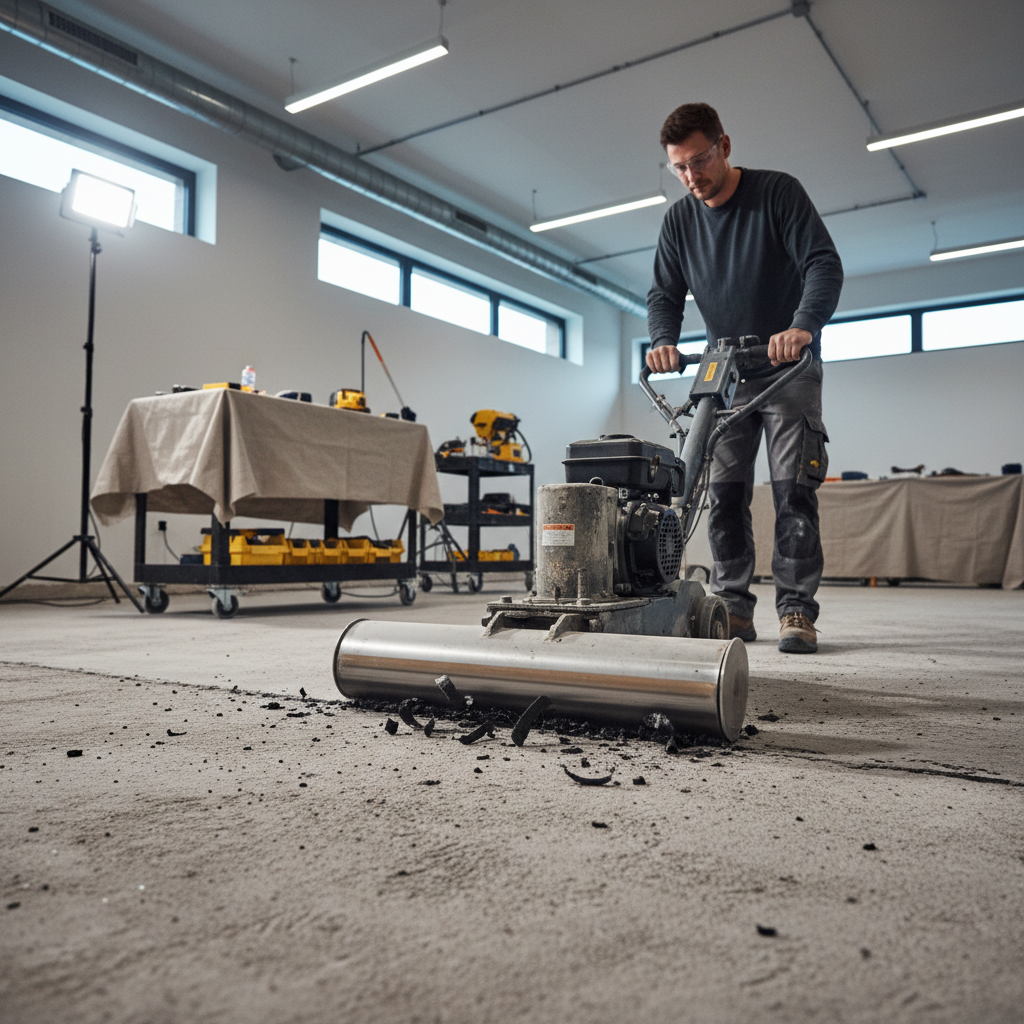
This guide breaks down what actually matters when picking a heavy-duty scraper, how to match blade type to material, and how to work faster without tearing up the floor underneath.
Why heavy-duty scraping gets frustrating fast
Most scraping problems come from a mismatch between the material, the blade, and the way force gets delivered into the floor.
- Adhesive chemistry varies, some mastics stay rubbery, others get brittle, and a single blade angle will not behave the same across both.
- Subfloor softness changes everything, plywood and OSB punish aggressive blades, while concrete usually tolerates more pressure but can still spall if you pry.
- Heat and age matter, older flooring can fuse to underlayment, and warm conditions can make glue smear instead of shear.
- Tool flex wastes energy, if the handle or head flexes, your push goes into bending the tool, not cutting the bond.
According to OSHA, many construction injuries involve hand tools and repetitive motion, so it is worth treating scraper choice and technique as a safety decision, not only a speed decision.
Quick self-check: are you using the right scraper setup?
Before buying another blade, run through this short checklist, it often reveals the real bottleneck in under two minutes.
- The blade chatters or skips: blade too narrow for the load, angle too steep, or edge already rolled.
- You get powder, not curls: material may be brittle, but you might be digging into the substrate instead of shearing adhesive.
- Glue smears like gum: you may need a sharper edge, a different bevel, or to switch tactics with a compatible remover, depending on the job spec.
- You keep re-tightening bolts: mounting hardware or head design may not be robust enough for heavy push force.
- Subfloor shows gouges: blade too aggressive, wrong bevel orientation, or you are prying upward instead of staying low and flat.
If two or more apply, focus on blade selection and angle control before you add more muscle.
Choosing a floor scraper heavy duty blade: what matters most
People fixate on “heavy duty” as if it is one thing, but it is really a bundle of features that help a blade stay stable under load.
Blade width and thickness
Wider blades cover more area, but only if the tool can keep the edge flat, otherwise the corners dig in and leave tracks.
- 4–6 inches: more control on uneven surfaces, good for edges and transitions.
- 8–12 inches: faster on open areas, best when the substrate is relatively flat.
- Thicker steel: typically resists chatter and edge roll better, but can feel “pushier” on tacky glue.
Edge profile and bevel
A sharper bevel can cut adhesive faster, but it also punishes soft subfloors, so you want to match aggressiveness to risk tolerance.
- Straight edge: general removal, predictable tracking.
- Chisel edge: more bite for brittle materials, can gouge if you lift the handle.
- Replaceable razor-style blades: great initial bite, but can nick easily on grit and staples.
Mounting style and rigidity
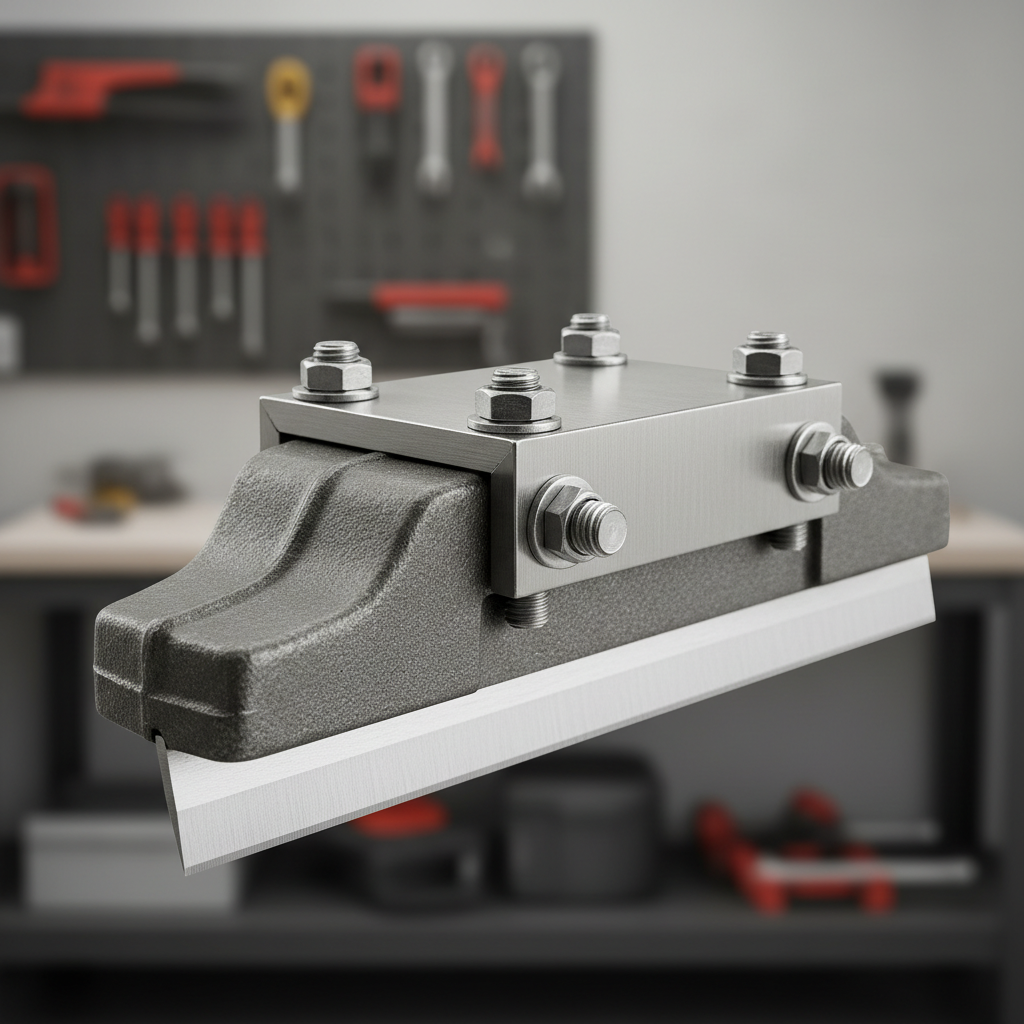
Look closely at how the blade seats into the head, a rigid clamp and solid fasteners often matter more than brand claims.
- Full-length clamp plates tend to spread force and reduce edge flutter.
- Minimal-point clamps can allow micro-movement, which dulls the edge faster.
Blade-to-job matching table (fast decisions, fewer regrets)
If you only take one thing from this article, make it this: pick the blade for what is underneath, not just what you want removed.
| Job surface | What you are removing | Blade choice that often works | Watch out for |
|---|---|---|---|
| Concrete | Carpet glue / mastic | 8–12 in straight heavy-duty blade | Gummy glue can smear, angle control matters |
| Plywood / OSB | Vinyl adhesive residue | 4–6 in straighter, less aggressive edge | Gouging, delamination, fast damage if you pry |
| Thinset over concrete | High spots / ridges | Stiff chisel-style scraper blade | Dust, chips, and concrete spall if too steep |
| Tile underlayment | Old sheet vinyl | Medium-width replaceable blade | Hidden fasteners can nick the edge instantly |
How to use the tool so the blade does the work
The biggest “skill” with a heavy scraper is staying low and letting the edge shear, not pry. That sounds simple, but it is where most floors get scarred.
Set the angle before you push
- Start with the handle lower than you think, keeping the blade nearly flat to the surface.
- If nothing lifts, raise the handle slightly until the blade starts to peel material in curls, not dust.
- When the blade bites too hard, back the angle down and shorten the stroke.
Work in lanes, not random patches
- Make a “start edge” near a wall or threshold, then scrape in parallel lanes.
- Overlap each pass a little so you do not leave ridges that trip your blade on the next run.
- On adhesive, frequent blade cleaning can outperform constant sharpening.
Control vibration and fatigue
If your hands go numb or your shoulders lock up, your technique will drift and you will start prying. At that point, damage becomes likely. Pause, reset the angle, and check the edge.
Practical workflow tips that save time on real jobs
These are the “unsexy” moves that keep a floor scraper heavy duty blade performing longer, especially on mixed debris and older installs.
- Clear grit first: sweep, vacuum, and pull staples, grit ruins edges fast.
- Rotate or flip blades when possible: many replaceable designs allow fresh edges without full replacement.
- Use the right extension: longer handles increase leverage, but they also magnify small angle mistakes.
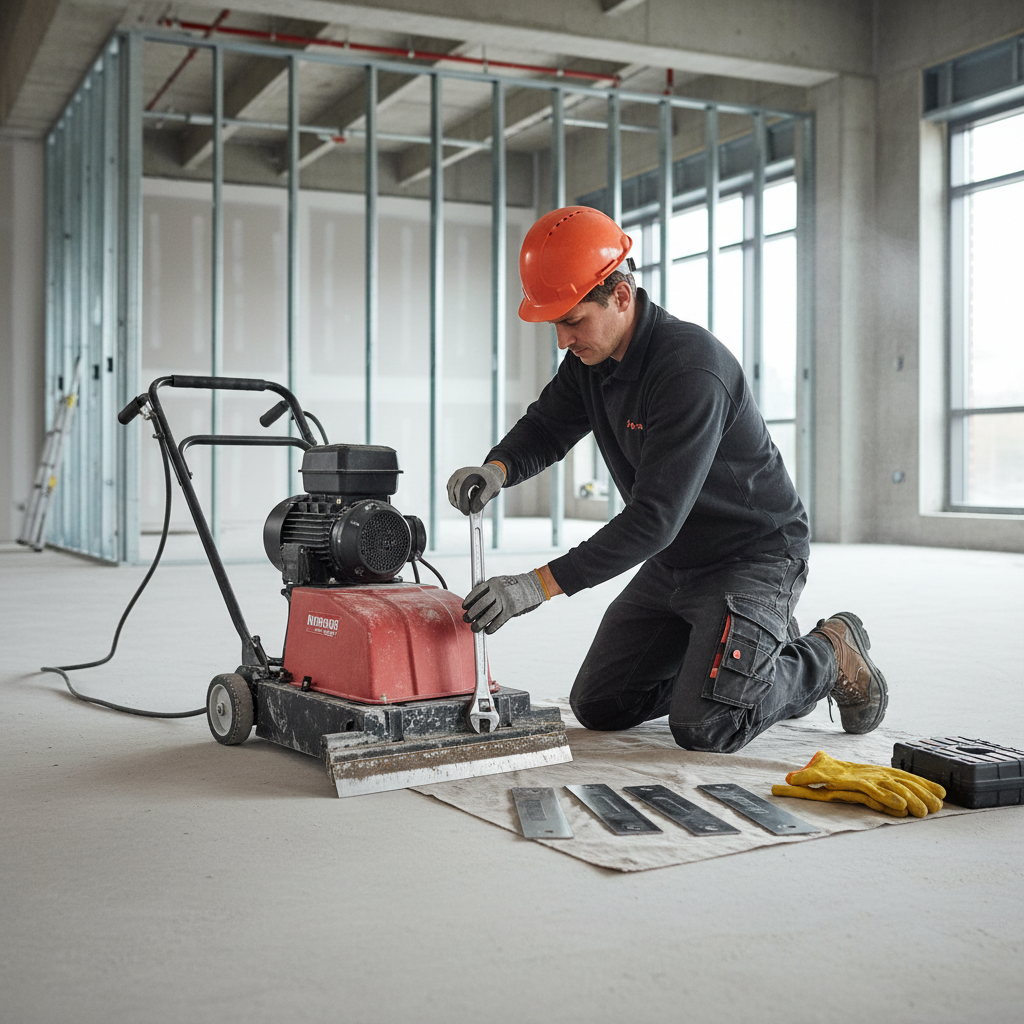
- Keep a second blade ready: swapping is often quicker than trying to “push through” dull steel.
According to the U.S. EPA, older flooring and adhesives can present hazardous materials concerns in some situations, so if you suspect asbestos-containing material or lead dust, stopping and consulting a qualified professional is usually the safer call.
Mistakes that waste blades (and how to avoid them)
- Using a wide blade on a wavy floor: it looks faster, but it often skips and digs, go narrower until the surface is flatter.
- Chasing perfection in one pass: remove bulk first, then handle residue with a blade change or a different method.
- Ignoring fasteners and seams: staples, tack strips, and screws will nick even tough edges.
- Over-sharpening thin edges: you can weaken the edge geometry and make it roll sooner.
If you keep snapping blades or bending the head, the problem is often leverage and angle, not “bad steel.”
When it makes sense to bring in a pro
A heavy scraper solves a lot, but some scenarios are more about risk management than effort.
- Suspected asbestos in old vinyl tile, backing, or mastic, testing and abatement rules vary, and a professional can advise next steps.
- Large commercial areas where production rate matters, a powered stripper may be more economical than hand scraping.
- Moisture issues on concrete, if the slab has moisture problems, removing adhesive might be only one part of the flooring failure.
- Critical subfloors you cannot afford to damage, like engineered subfloor systems or radiant heat zones.
According to NIOSH, reducing repetitive strain often involves tool selection and work practices, so professional crews may also be equipped with ergonomic options that reduce fatigue on long runs.
Conclusion: what to do next
A floor scraper heavy duty blade works best when the blade width, bevel style, and rigidity match the floor and the residue you face, then your technique keeps the edge low and stable. If you are stuck, start by switching blade type or narrowing the width, that change alone often beats pushing harder.
If you want a simple next step, inspect the substrate, pick a blade that minimizes damage risk, then test a small area with two angles before committing to the whole room.
FAQ
What blade width is best for a heavy-duty floor scraper?
For open, flatter areas, 8–12 inches is often efficient, but on uneven subfloors a 4–6 inch blade can remove more material per minute because it stays engaged instead of skipping.
Why does my scraper blade keep chattering on concrete?
Chatter usually points to too steep of an angle, a slightly flexy head, or an edge that has rolled. Lower the handle, tighten the mounting, and check for grit under the edge.
Can I use a heavy-duty scraper on plywood without damaging it?
Sometimes, yes, but it depends on adhesive type and the plywood surface. Use a less aggressive edge, keep the blade flatter, and avoid prying upward, test a small corner first.
Do I need to sharpen a floor scraper heavy duty blade?
Some blades are meant to be sharpened, others are replaceable. If the edge is designed for replacement, swapping typically keeps the bevel consistent and saves time compared with aggressive grinding.
What is the fastest way to remove old carpet glue?
Many jobs start with mechanical scraping to remove bulk, then a second pass for residue. In some cases, a compatible adhesive remover helps, but you should confirm it fits your flooring plan and ventilation requirements.
Is it safe to scrape old vinyl flooring adhesive?
It can be, but older materials may contain hazardous components. If the install is from decades ago and you are unsure, testing and professional guidance is a prudent step before dry scraping.
How do I know when to switch blades?
When you need more force for the same progress, or the blade starts polishing and smearing instead of peeling, you will usually save time by switching rather than fighting a dull edge.
If you are dealing with a stubborn tear-out and want a more predictable result, choosing a scraper setup that matches your floor and keeping a couple blade profiles on hand can make the whole job feel less like a wrestling match and more like a controlled removal process.