
The best multi tool for camping and hiking is the one you can safely use with cold hands, trust for small repairs, and carry all day without hating the weight.
If you have ever fought a stuck tent stake, trimmed paracord with a dull blade, or tried to tighten a stove screw using a random rock, you already know why this choice matters. A multi tool sounds like a simple buy, but small differences in pliers shape, blade steel, and locking design change how useful it feels on trail.
This guide focuses on real outdoor use, not just spec sheets. You will get a quick comparison table, a practical checklist to match a tool to your style of camping or hiking, and a few safety notes that people usually learn the hard way.
What to look for in a camping and hiking multi tool
Before brands and models, nail the “must-do” jobs. For most campers and hikers, that means cutting cordage, light prying, tightening screws, and quick fixes on gear. Everything else is extra weight unless you truly use it.
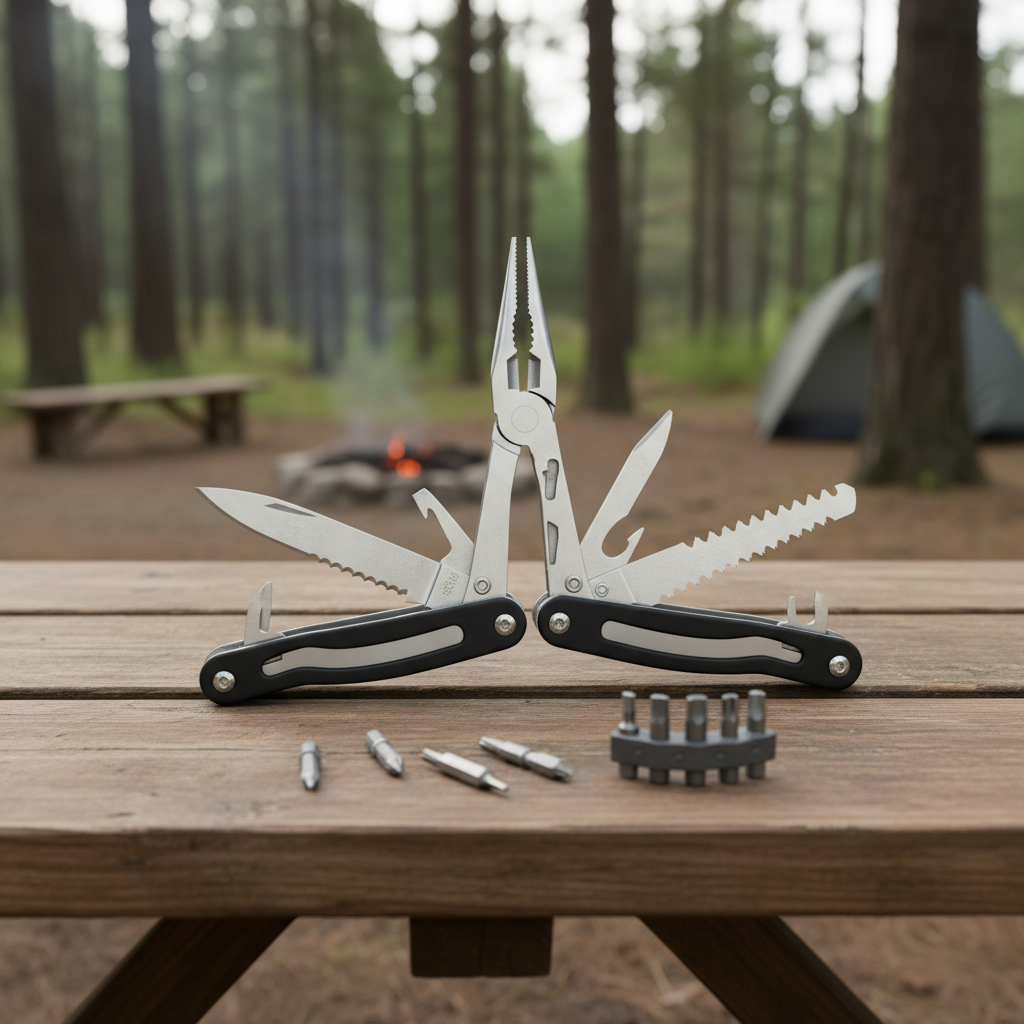
Core features that usually matter outdoors:
- Pliers you can actually grip: Needle-nose tips help with knots, fishing hooks, and small hardware, but overly thin tips can feel fragile.
- A locking knife blade: A lock reduces accidental closure when carving, food prep, or trimming strap ends. According to OSHA guidance on hand tools, using tools as intended and keeping them in safe condition helps reduce injury risk, a good reminder that locks and maintenance are not “nice to have.”
- Scissors: Often better than a knife for tape, bandages, and blister care items, but quality varies a lot.
- Saw: More helpful than people expect for small limbs and kindling, but only if it has decent tooth geometry and does not wobble.
- Bit driver: In 2026, more gear uses Torx, small Phillips, and hex. A driver with replaceable bits is usually more versatile than a pile of tiny fold-out screwdrivers.
What is worth being picky about:
- Weight vs comfort: Pocket carry feels different from pack carry. A heavier tool can be fine in a daypack, but can annoy you clipped to a pocket all day.
- One-hand access: If you hike solo, one-hand opening can matter when your other hand stabilizes you or holds a headlamp.
- Steel and corrosion resistance: If you camp near the coast or in wet climates, rust resistance and easy cleaning matter more than “hardest steel on paper.”
- Tool layout: Some tools bury the items you use most, which means you stop using them, which defeats the point.
Quick comparison table: common multi tool styles for outdoors
Instead of listing “the one winner,” it helps to sort tools by type. The best multi tool for camping and hiking often depends on whether you prioritize pliers power, ultralight carry, or gear repair versatility.
| Style | Best for | Typical strengths | Common trade-offs |
|---|---|---|---|
| Full-size pliers multi tool | Car camping, overlanding, basecamp repairs | Strong pliers, better leverage, more tools | Heavier, bulkier in pocket |
| Compact pliers multi tool | Backpacking, day hikes with repair kit | Good balance of function and weight | Smaller tools, less comfort under force |
| Ultralight “knife + driver” tool | Minimalists, thru-hikes with strict weight goals | Low weight, fast access | No real pliers, limited leverage |
| Swiss-style pocket tool | Food prep, first aid kit companion, quick camp tasks | Great scissors, tidy form factor | Pliers often absent or very light duty |
Pick the right tool by your trip type (realistic scenarios)
People often search for the best multi tool for camping and hiking as if one tool fits everyone. In practice, your most common trip dictates what you will use and what you will ignore.
Backpacking and long hikes
Weight and reliability beat “more tools.” A compact pliers tool with a good blade and a bit driver covers most gear fixes, and it does not punish you every mile.
- Prioritize: compact pliers, locking blade, bit driver, scissors
- Nice to have: tweezers, awl for webbing and leather patches, small file
- Usually skip: can opener, heavy saw, multiple redundant blades
Car camping and family campsites
You will do more “random tasks” and less strict weight counting. Full-size pliers, a better saw, and comfort in-hand become more important because you might help others with gear issues too.
- Prioritize: robust pliers, saw, larger driver, comfortable handles
- Nice to have: bottle opener, larger scissors, wire cutters for craft and repairs
Hiking with occasional camp nights
If you mostly day hike and camp a few times a year, a smaller tool that lives in your pack makes sense. Think “repair and safety” rather than “build stuff.”
- Prioritize: blade, scissors, small driver, tweezers
- Consider: a mini pliers tool if you deal with stove parts, bike bolts, or fishing tackle
A quick self-checklist before you buy
This is the part many people skip, then regret. Run through these questions once, your shortlist usually becomes obvious.
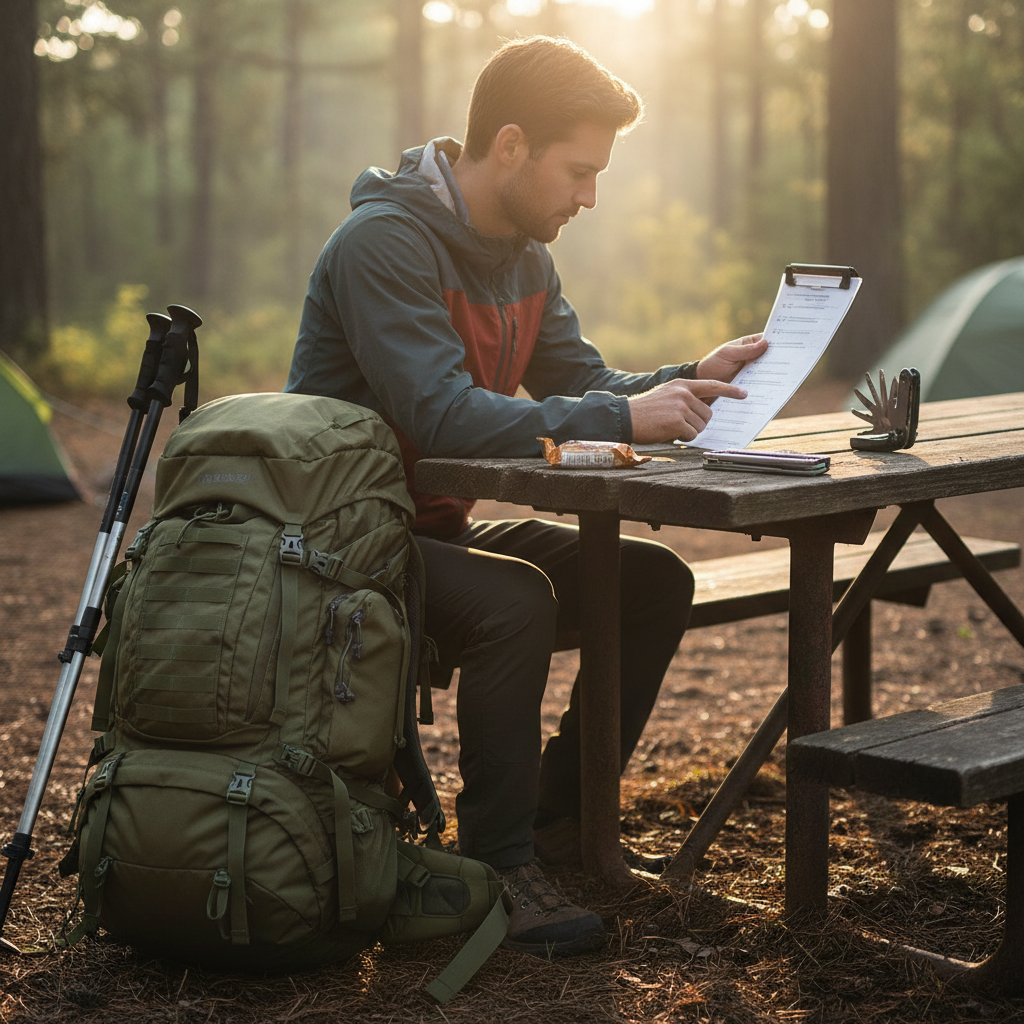
- Where will it live? Pocket, belt, or inside a pack repair pouch. If it will be in your pack, a slightly larger tool is often fine.
- Do you actually need pliers? If you fish, run stoves with small parts, or fix tent poles, yes. If your “repairs” are mostly tape and cord, maybe not.
- Are you okay maintaining it? Some tools need more cleaning and oiling, especially after sand, salt air, or food use.
- Do you wear gloves often? In cold weather hiking, larger thumb holes and easier locks matter more than you think.
- Any local restrictions? Knife laws vary by state and location, and some parks or venues may have rules. If you are unsure, checking local guidance is worth the minute.
Quick rule that usually holds: if you cannot name three tasks you will do with it on your next two trips, go smaller and simpler.
How to use a multi tool effectively in camp (without abusing it)
Owning a tool is easy, using it well is where the value shows up. A few habits prevent broken tips, stripped screws, and annoying blade nicks.
Pack a tiny “multi tool companion kit”
A multi tool becomes dramatically more useful with a few grams of support items.
- Bit set that matches your stove, trekking poles, bike, or camera plate
- Small zip ties and a short wrap of duct tape (on a straw or flat card)
- Mini tube of threadlocker for vibration-prone screws, used sparingly
- Alcohol wipes for cleaning blades and tools after food or sticky tape
Use the right part of the tool, even when you are tired
This is where most “my multi tool broke” stories start. Prying with knife tips, twisting with partially open drivers, or torquing tiny screws with the wrong bit often causes damage.
- For stuck knots, use pliers or an awl, not the blade tip.
- For tent stakes, wiggle and loosen soil first, then pull with pliers if needed.
- If a screw feels soft, stop and switch bits, stripping heads in the backcountry gets old fast.
Safety, maintenance, and common mistakes
The best multi tool for camping and hiking still causes problems if it is dull, gritty, or used like a crowbar. A little care keeps it smooth and safer.
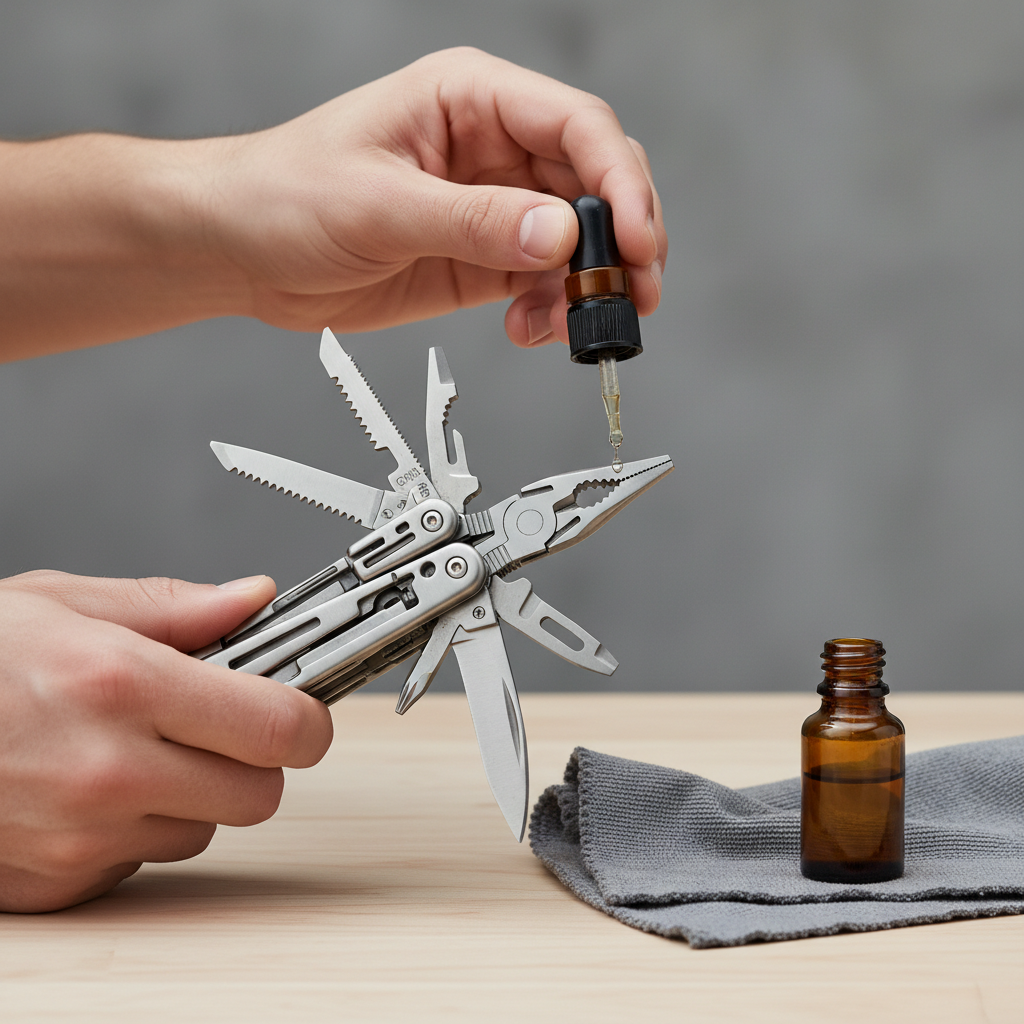
Maintenance that pays off:
- Rinse and dry after rain, sand, or food prep. Grit in pivots makes tools feel “cheap” even when they are not.
- Light lubrication on pivots, wiped down so it does not attract dirt.
- Sharpen the blade before trips, not during, unless you enjoy sharpening in camp.
- Check screws if your model uses them, some loosen with vibration.
Common mistakes I keep seeing:
- Buying the heaviest tool “just in case,” then leaving it behind every trip.
- Ignoring handle ergonomics, hot spots show up fast when you actually bear down.
- Overvaluing niche tools, undervaluing a good driver and scissors.
- Assuming any “stainless” tool will shrug off salt water, many won’t without cleaning.
For safety, treat blades and locking mechanisms with respect, especially if you are tired, cold, or working in awkward positions. If you have limited hand strength or joint issues, choosing a model with easier locks and smoother deployment can reduce strain, and if pain persists it may be smart to consult a medical professional.
When it makes sense to get expert help (or a different tool)
A multi tool is not a substitute for proper equipment in higher-risk scenarios. If you are doing serious wood processing, climbing-related tasks, or firearm work, dedicated tools are usually safer and more effective.
- Backcountry repairs that affect safety: damaged climbing or load-bearing gear, consult a qualified guide or gear shop rather than “making it work.”
- Stove and fuel issues: if you suspect a leak or damaged valve, stop using it and follow manufacturer guidance.
- Knife law questions: when you travel across states or enter regulated areas, confirm local rules through official sources.
Conclusion: a simple way to choose your 2026 multi tool
If you want a decision you will not second-guess, pick a tool style first, then pick build quality within that style. For many people, a compact pliers tool with a locking blade, solid scissors, and a bit driver lands in the sweet spot.
Action steps: write down the top five tasks you actually face on your trips, then use the checklist above to eliminate tools that add weight without solving those tasks. After you buy, do a five-minute “driveway test” at home so you learn the locks and tools before you are doing it by headlamp.