
The best utility knife for box cutting is the one you can control with one hand, change blades without drama, and trust when you hit staples, thick tape, or double-wall cardboard.
If you open a few boxes a week, almost any cheap knife “works” until it doesn’t, the blade chatters, the lock slips, or the handle creates hot spots in your palm. For warehouses, retail backrooms, movers, or anyone living in shipping season, those small annoyances turn into slowdowns and avoidable nicks.
This guide breaks down what actually matters for cutting boxes in 2026, then gives clear picks by use case, plus a quick checklist so you can stop overthinking it and buy once.
What matters most for box cutting (and what’s mostly hype)
Box cutting looks simple, but it’s repetitive work, and repetition magnifies small design flaws. I’d prioritize these features before brand or fancy coatings.
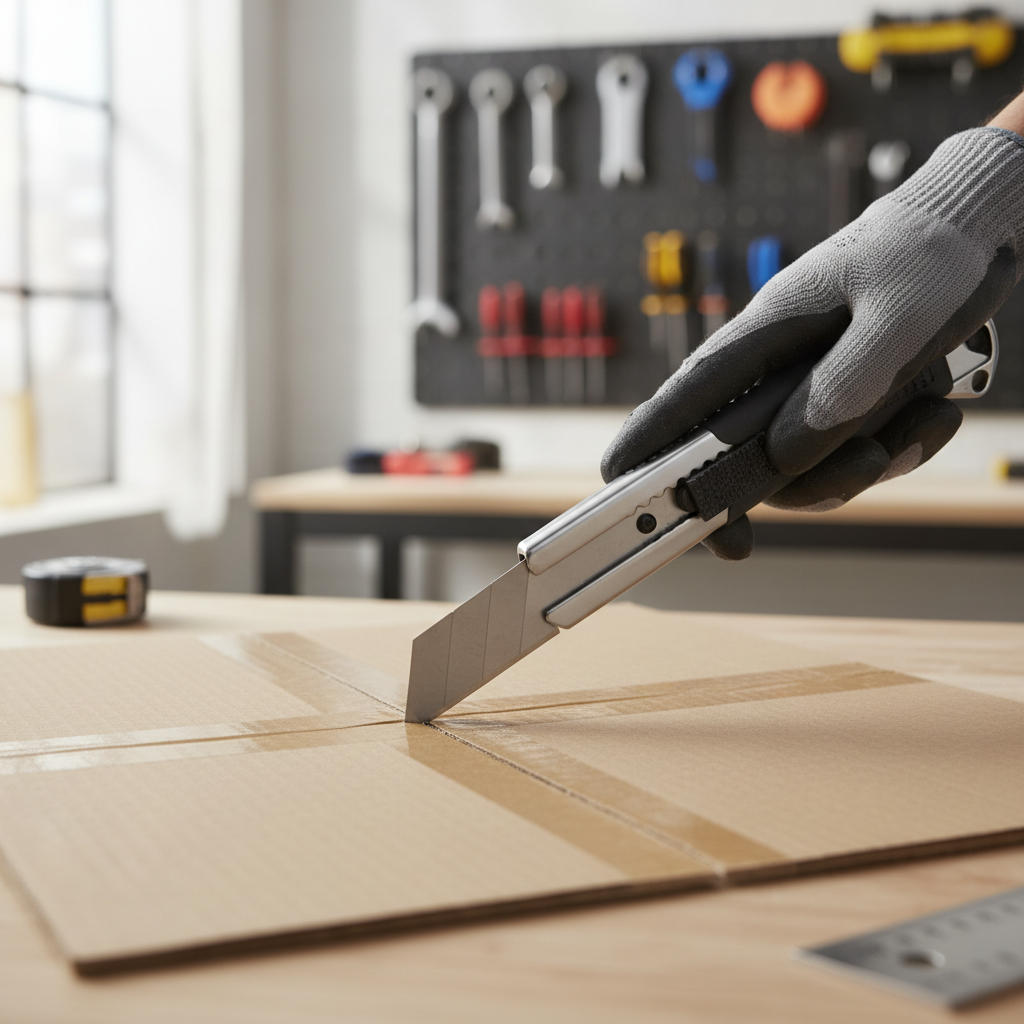
Stable blade lock matters more than extra blade storage. If the blade can wiggle under load, you’ll feel it when you push through thick tape and multiple layers.
Fast, safe blade changes are a real productivity feature. Tool-free swaps are great, but only if the mechanism doesn’t jam with dust or tape residue.
Ergonomics beat aesthetics. For box cutting, you’ll usually choke up on the knife. A handle with mild texturing and a predictable shape helps more than a “tactical” profile.
Blade style compatibility can save money. Standard utility blades are widely available, but some knives accept specialty blades that reduce snagging in cardboard.
Safety features are not only for big operations. Even at home, a retracting mechanism or auto-return can reduce accidental contact when you set the knife down mid-task.
Quick comparison table: choose your lane in 30 seconds
If you want the best utility knife for box cutting, start by deciding which lane fits your day-to-day, then shop within that lane.
| Use case | Best knife style | Why it works | Watch-outs |
|---|---|---|---|
| High-volume warehouse | Auto-retract / safety knife | Reduces accidental cuts, faster put-down/pick-up | May require specific blades, higher upfront cost |
| Retail backroom / receiving | Manual retract with strong lock | Good control, quick depth changes | Train yourself to retract every time |
| Moving / heavy cardboard | Fixed or folding utility knife | Rigid feel for thick seams and staples | Less “default safe” than retracting designs |
| Home + occasional packages | Compact retract knife | Simple, cheap blades, easy storage | Thin handles can fatigue your hand |
| Precision (labels, inserts) | Lightweight, slim utility knife | Better tip control, less overcut | Not ideal for prying or thick double-wall boxes |
Top picks for 2026 (by scenario, not hype)
Rather than pretending there’s one universal winner, here are the categories where people usually end up happiest. If you’re buying for a team, these “scenario picks” also make standardization easier.
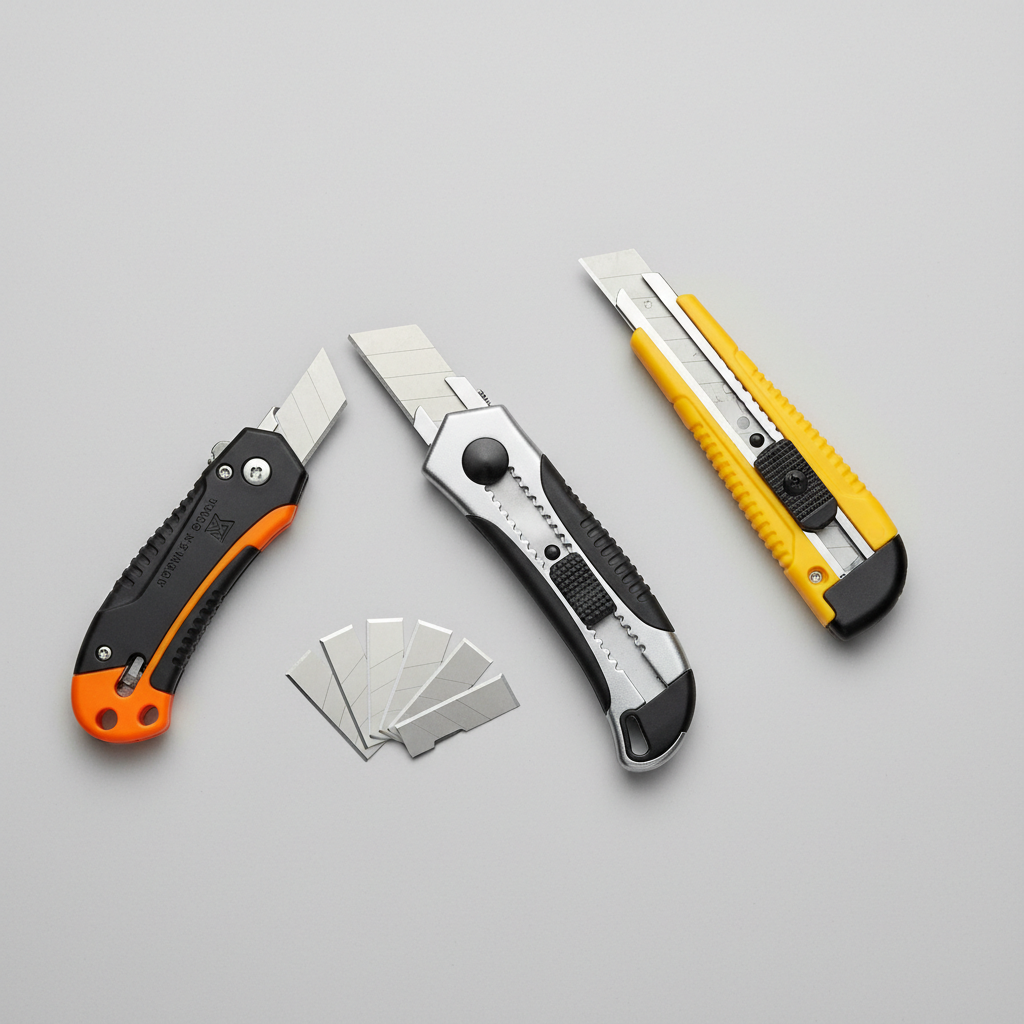
1) Best for high-volume box cutting: auto-retract safety knife
If you open boxes all day, an auto-retract design often becomes the best utility knife for box cutting because it cuts down “forgot to retract” moments without relying on perfect habits. Many operations choose these to reduce incident risk and simplify training.
- Look for: consistent retraction, easy blade access, durable spring mechanism, comfortable grip for repetitive use.
- Skip if: you frequently cut plastic strapping or materials that need a longer exposed blade, some safety knives limit depth.
2) Best all-around: manual retract utility knife with a solid lock
This is the classic: adjustable depth, familiar feel, standard blades everywhere. For mixed tasks, a manual retract model with a confident lock and a handle that doesn’t bite your hand is usually the safe bet.
- Look for: minimal blade wobble, clear detents for depth settings, tool-free blade change that stays reliable over time.
- Good fit for: receiving areas, home workshops, DIYers who open lots of deliveries.
3) Best for thick cardboard and tougher seams: folding or fixed utility knife
When cardboard is dense and you need more leverage, a rigid-feeling knife helps. Folding utility knives can also feel more substantial, and some accept thicker blades that chatter less.
- Look for: strong pivot/lock (for folders), good finger choil or choke-up area, grip texture that works with gloves.
- Reality check: folders can collect dust and tape residue, so maintenance matters more.
4) Best budget choice: simple retract knife + better blades
On a tight budget, spend less on the handle and more on the blades. A basic knife with a dependable slider paired with sharper, higher-quality utility blades can beat a “cool” knife with mediocre blades.
- Look for: slider that doesn’t creep, comfortable handle thickness, easy blade flip to use the second edge.
- Plan for: replacing the knife sooner if the slider loosens over time.
Self-check: are you choosing the wrong knife for your boxes?
Most frustration comes from a mismatch between knife type and the way you actually cut. Run through this list before you buy.
- You often cut near products inside the box and worry about overcutting
- Your hand feels sore or cramped after a long session
- You hit staples or heavy-duty tape and the blade snaps or skips
- You work with gloves and the handle feels slippery
- Blade changes feel annoying enough that you “stretch” dull blades too long
- You set the knife down frequently and sometimes forget it’s extended
If you checked two or more, focus on ergonomics, blade stability, and safe retraction before anything else. That’s where the biggest day-to-day gains usually come from.
How to cut boxes faster with fewer slips (practical technique)
Even the best utility knife for box cutting can feel sketchy if the blade depth and angle are off. These habits improve control without turning this into a training manual.

Set shallow depth by default. For tape seams, you rarely need a long blade. A shorter extension reduces snagging and helps avoid slicing contents.
Cut along seams, not across panels. Seams are the “weak lines” of a box. You’ll use less force and get cleaner openings.
Let sharpness do the work. If you’re pushing hard, you’re past due for a blade change. Dull blades are a common source of slips.
Use a two-pass approach on heavy tape. A light first pass scores the tape, the second pass finishes. It sounds slower, but it often saves time versus fighting resistance.
Keep your off-hand out of the cut path. Sounds obvious, but in real workflows people brace boxes with fingers right where the blade wants to go.
Blades: the quiet reason your knife feels “bad”
When someone says a knife “doesn’t cut,” it’s often a blade problem. Blade choice depends on cardboard density, tape type, and how often you cut.
- Standard carbon steel blades: sharp and affordable, but may dull faster with gritty cardboard.
- Coated blades: can reduce friction and tape gunk sticking, performance varies by brand and box material.
- Hook blades: useful when you want to reduce risk of cutting contents, especially on shrink wrap or strapping, but they’re not ideal for every box.
According to OSHA, employers should provide proper tools and training to reduce workplace injuries. If you run a receiving team, blade policies, disposal, and training matter almost as much as the knife model.
Common mistakes to avoid (they cost more than the knife)
These are the patterns that make people keep buying new knives and still feel unsatisfied.
- Buying “tactical” features for warehouse work: glass breakers and overbuilt spikes rarely help with cardboard, they can reduce comfort.
- Ignoring handle thickness: slim metal handles look nice, but can create pressure points in repetitive cutting.
- Using one blade for everything: heavy tape, thick cardboard, and precision work may need different blades or at least more frequent swaps.
- No blade disposal plan: loose blades in trash create risk. A simple blade bank helps.
When it’s worth getting safety or procurement involved
If you’re selecting the best utility knife for box cutting for a team, or you’ve had near-misses, it’s usually smart to loop in safety or procurement early.
- Frequent minor cuts or close calls: consider auto-retract or concealed-blade options, and review training.
- High turnover teams: simpler, safer tools reduce dependence on perfect habits.
- Special packaging materials: consult a safety professional if you’re cutting near hazardous contents or regulated materials.
This isn’t legal or workplace safety advice, but if your environment has formal requirements, a safety manager or qualified professional can help match tool choice to policy and risk level.
Conclusion: the “best” choice is the one you’ll use correctly
For most people, the best utility knife for box cutting comes down to three things: a lock that feels solid, blade changes you won’t procrastinate, and a handle that stays comfortable after the first 50 cuts. Pick the category that matches your workflow, buy decent blades, then commit to shallow depth and regular swaps.
If you’re choosing today, decide whether you need auto-retract safety or manual retract versatility, then compare models based on lock stability and ergonomics, not marketing extras.
Key takeaways
- Blade stability and comfortable grip beat flashy features for cardboard work.
- Shallow blade depth reduces snags and helps protect box contents.
- Better blades often improve results more than a more expensive handle.
- For teams, safety knives and a blade disposal plan usually pay off in fewer incidents.
FAQ
- What is the best utility knife for box cutting at home?
For most homes, a compact manual retract knife with a comfortable handle works well because it’s simple, uses standard blades, and stores safely. If you tend to forget to retract, an auto-retract model may fit better. - Are safety box cutters actually better for opening packages?
In many setups, yes, because the blade retracts automatically and reduces accidental contact. The trade-off is cutting depth and sometimes higher blade costs, so it depends on what you open. - How often should I change utility knife blades when cutting cardboard?
When you notice increased force, snagging, or tearing rather than slicing, it’s time. In busy receiving areas, that can be multiple times per shift; for occasional home use, it might be far less. - Do coated utility blades make a difference on tape?
They can, especially with sticky tape that leaves residue, but results vary by tape type and cardboard texture. If tape gunk is your main issue, it’s worth trying a small pack before committing. - What blade is safest for boxes without damaging contents?
Hook blades and limited-exposure safety cutters can reduce puncture risk, but they’re not perfect for every box. If you routinely cut near products, combine a safer blade style with shallow depth. - Why does my utility knife blade wobble when cutting?
Usually it’s a worn slider/lock, a loose blade clamp, or a design with more play. If wobble appears suddenly, check for debris in the mechanism; if it persists, replacing the knife is often the practical fix. - Is a folding utility knife good for warehouse receiving?
It can be, especially if you want a sturdier feel, but folding mechanisms need occasional cleaning. In dusty, high-volume areas, a simpler retract design may stay consistent longer.
If you’re opening boxes all day and want a more straightforward setup, consider standardizing one knife style, one blade type, and a simple blade disposal routine, it’s often the quickest path to fewer hassles and more consistent cuts.