
Funnel set with filter screen is the simple upgrade that keeps transfers clean, controlled, and less frustrating, whether you’re topping off oil, filling a mower can, or moving chemicals into a smaller bottle. If you’ve ever watched grit slide toward a tank opening, or had a thick fluid “glug” and splash, you already know the pain.
The catch is that not every funnel-and-screen combo behaves the same. Screen mesh, funnel mouth size, spout length, and material compatibility all decide whether the setup feels smooth or turns into a slow, clogged mess. This is why people buy a “set,” try one funnel once, then leave the rest in a drawer.
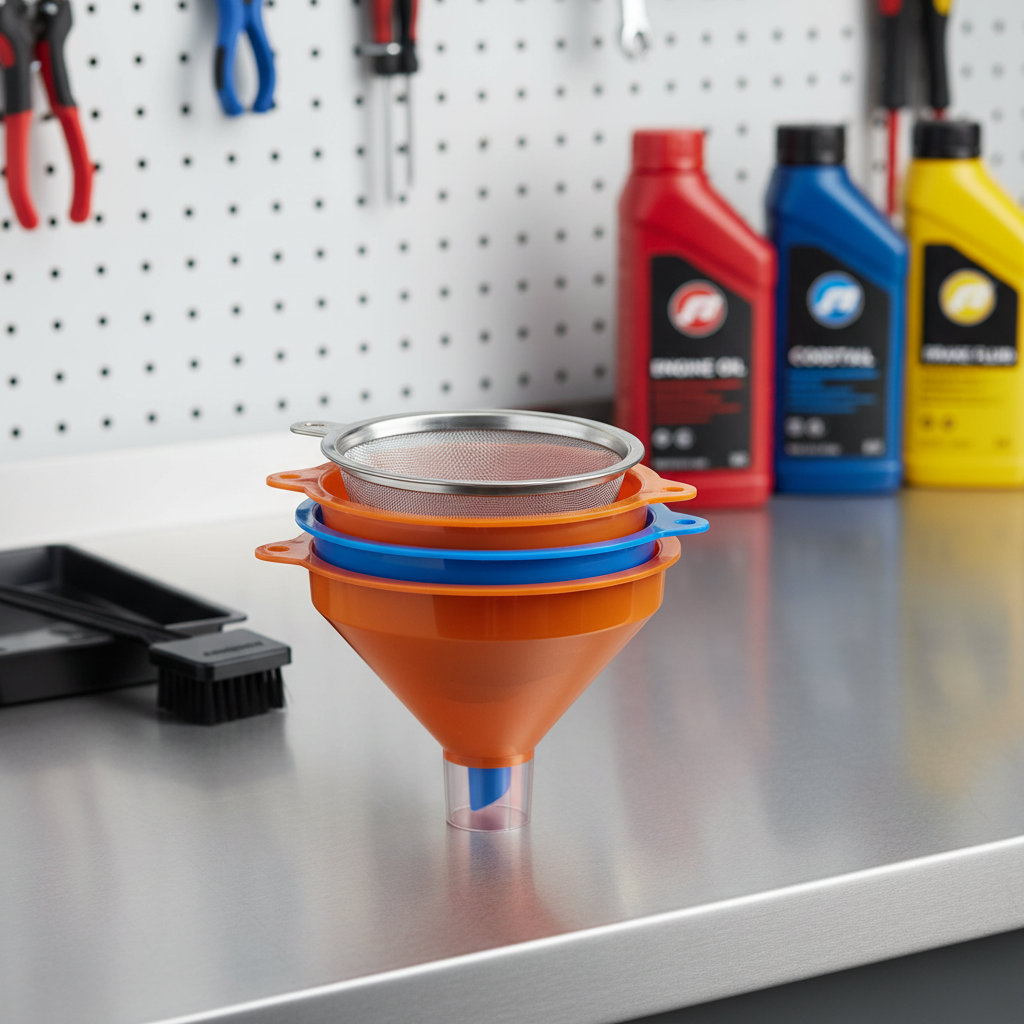
This guide focuses on practical selection and real-world use, not generic specs. You’ll get a quick checklist to pick the right funnel, a comparison table, and setup tips that reduce spills, speed up flow, and help screens last longer.
What a Filter Screen Funnel Set Actually Solves
A screen in a funnel does two jobs at once: it blocks debris and it changes how the liquid flows. That sounds obvious, but it explains why some funnels “work” yet still annoy you.
- Debris control: catches rust flakes, plastic shavings, sediment, paint skin, or dirt that rides along with stored fluids.
- More predictable pour: the screen can break up the surge that causes splashing, though it can also slow thick liquids.
- Less rework: fewer clogged fuel filters, fewer strained batches, fewer “dump it and start over” moments.
According to OSHA, chemical handling should minimize splashes and exposure during transfer and dispensing activities. A screened funnel is not a full safety system, but in many shops it’s one of the easiest ways to make transfers calmer and cleaner.
How to Choose the Right Funnel Set (Size, Mesh, Material)
People usually shop by “how many funnels come in the box,” then regret it. A better approach is to match the set to what you pour most often, then make sure the screens are removable and easy to clean.
1) Funnel diameter and capacity
Wide mouths reduce misses, especially when you’re pouring from a heavy jug. Narrow funnels fit tight fill ports but overflow faster if you pour aggressively.
- Wide-mouth funnel: good for motor oil, coolant, bulk fluids, and shaky hands.
- Narrow funnel: better for small bottles, power equipment, and tight automotive bays.
2) Screen mesh and flow rate
Finer mesh catches smaller particles, but it can bottleneck thick fluids. Coarser mesh flows faster but lets more through. If your use cases vary, a set that includes multiple mesh screens is more useful than multiple funnel bodies.
3) Material compatibility (don’t guess)
For automotive and general household fluids, funnels are often plastic, while screens are stainless steel. Compatibility varies by chemical, so treat this as a “check first” area.
- Polypropylene (PP): commonly used, often decent with many oils and water-based fluids.
- HDPE: also common for shop funnels, typically durable and chemical-resistant in many scenarios.
- Stainless screens: resist rust and are easier to clean, but mesh can deform if you scrub aggressively.
According to NIOSH, you should review Safety Data Sheets (SDS) for chemical compatibility and handling precautions. If you’re transferring solvents or strong chemicals, it’s smart to double-check the funnel material, not just “hope it’s fine.”
Quick Self-Check: Which Funnel + Screen Do You Need?
If you want a fast way to pick a funnel set with filter screen, answer these questions in order. You’ll usually land on the right combo without overthinking it.
- What are you pouring? Thin (gas, water), medium (coolant), thick (gear oil, syrupy additives).
- How clean is it? New from sealed container, or stored/decanted fluid with visible sediment risk.
- How tight is the opening? Wide tank mouth vs recessed fill port.
- What’s the consequence of a few particles? Low (watering can) vs higher (small engine fuel system).
- Can you clean immediately? If not, choose screens that pop out quickly and don’t trap residue.
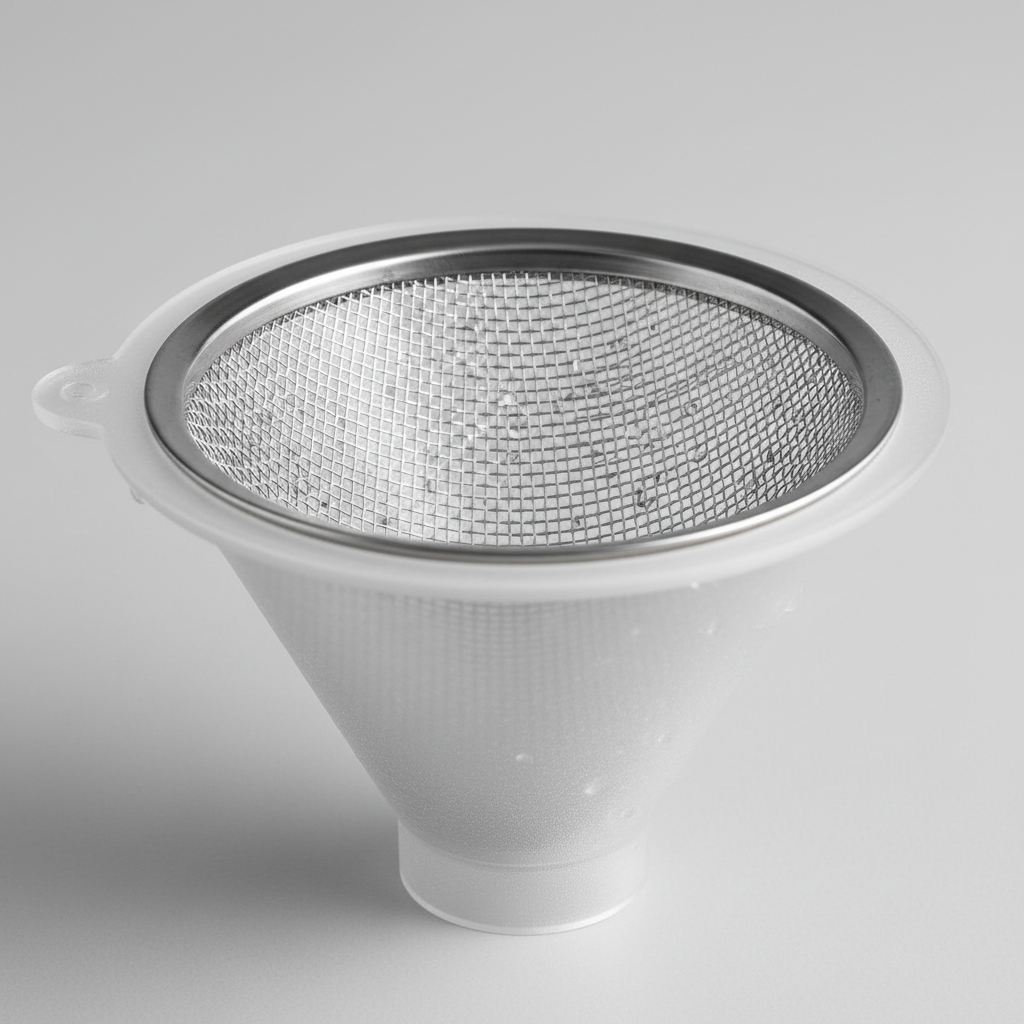
If you’re frequently switching between thin and thick fluids, a set with at least two screen meshes (coarse + fine) usually feels more “real” than a set that’s just three sizes of the same funnel.
Comparison Table: Matching Common Jobs to Funnel Features
Use this table as a quick pairing guide. It won’t cover every edge case, but it handles most home garage and light shop needs.
| Task | Recommended Funnel | Screen Mesh | Why It Works |
|---|---|---|---|
| Motor oil top-off | Medium to wide mouth, longer spout | Medium | Keeps dirt out, reduces splash when pouring from quart jugs |
| Fuel for small engines | Narrow mouth, stable spout fit | Fine to medium | Catches tiny debris that can contribute to clogging |
| Coolant transfer | Wide mouth, high capacity | Medium | Good flow with basic filtration for shop dust |
| Paint/finish straining (light) | Wide mouth with removable screen | Fine | Helps catch skins and particles, though flow slows |
| Household chemicals (varies) | Dedicated funnel, clearly labeled | Medium | Reduces splash risk, avoids cross-contamination |
How to Use a Funnel Set with Filter Screen Without Clogs or Spills
The “secret” is pace and positioning. Most messes happen because the screen becomes a choke point, then liquid backs up and jumps the rim.
Step-by-step workflow
- Seat the funnel: confirm the spout sits securely, especially on angled fill ports.
- Pre-check the screen: make sure it lies flat and isn’t dented or partially popped out.
- Prime with a small pour: a quick wetting layer can reduce sudden surges on some fluids.
- Pour slower than you think: if the liquid pools above the mesh, pause and let it drain.
- Watch for air lock: on tight openings, slightly lift or rotate the funnel to allow air to escape.
Key takeaway: when flow slows, don’t force it. Let the screen do its job, then continue. For thick fluids, consider removing the screen and filtering separately if speed matters more than fine filtration.
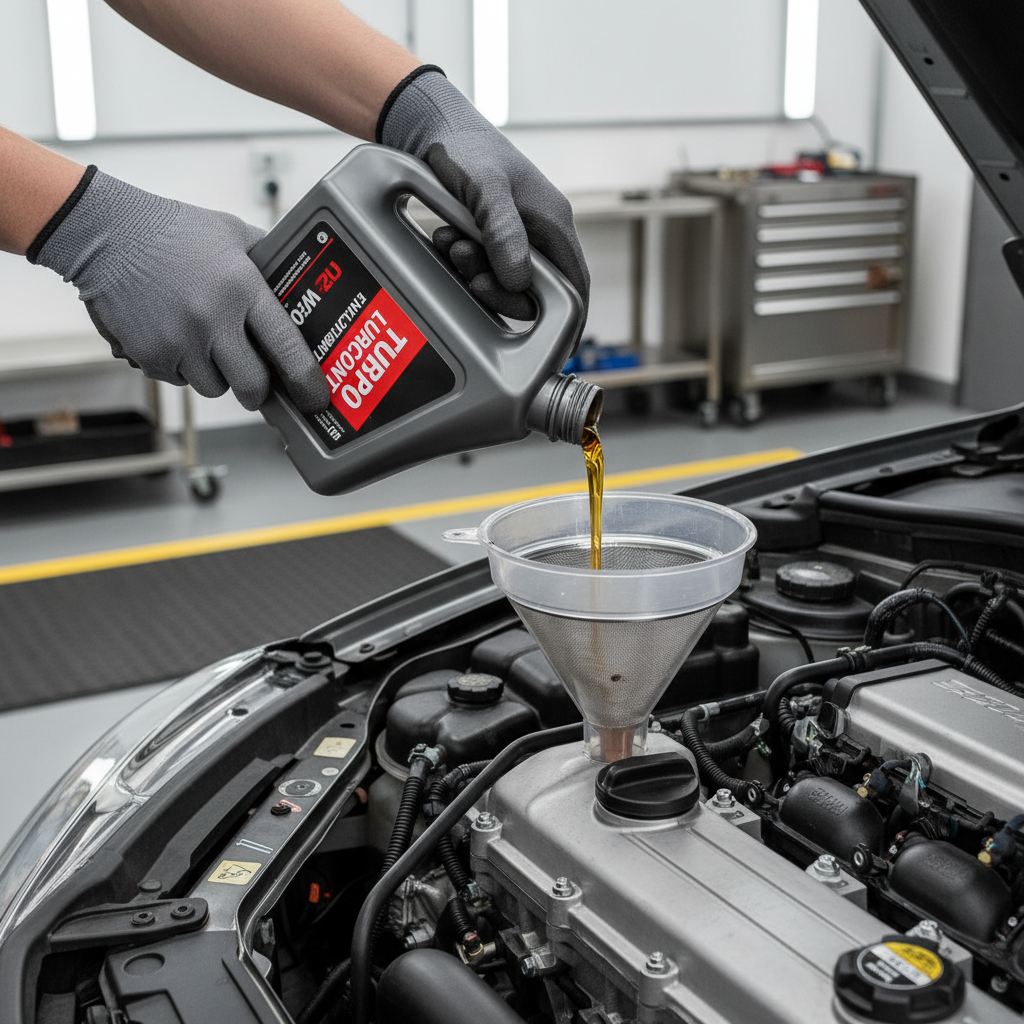
If you’re working with fuels or volatile chemicals, ventilation and ignition-source control matter more than the funnel itself. According to NFPA, flammable liquids require careful handling to reduce fire and vapor hazards, so treat the funnel as one small part of a safer process.
Common Mistakes (and the Small Fixes That Actually Help)
Most funnel complaints come from a few repeat patterns. The good news is you can fix them without buying another kit.
- Using one funnel for everything: cross-contamination is real. Keep at least one funnel dedicated to fuel, one to oil/ATF, and label them.
- Over-trusting fine mesh: super-fine screens can turn into a dam with thicker fluids. Match mesh to viscosity.
- Scrubbing mesh too hard: mesh deforms, then it won’t seat flat and debris sneaks around the edges.
- Ignoring residue in the spout: buildup in the neck can flake off later, undoing the whole point of filtering.
- Storing funnels wet or dirty: it invites odor, gunk, and in some cases material degradation depending on the fluid.
A small habit that pays off: rinse or wipe immediately, then air-dry screens flat. It keeps mesh shape and reduces “mystery sludge” next time.
When You Should Consider a More Specialized Solution
A funnel set with filter screen is great for routine transfers, but there are times it’s not enough, or it’s the wrong tool.
- Precision filtration needs: if you truly need fine filtration for sensitive equipment, you may need dedicated inline filters or lab-style filter media.
- Hazardous chemicals: if SDS calls for specific materials, grounding, or closed transfer, use equipment designed for that scenario and consult a safety professional.
- Repeated clogs: if screens clog every time, that’s often a sign your source container has contamination. Filtering upstream or replacing storage practices may matter more.
If you’re unsure about chemical compatibility or safety controls, it’s reasonable to check SDS guidance and, in workplace settings, ask an EHS lead or qualified professional before you standardize a funnel kit across a team.
Conclusion: What to Buy, What to Do Next
A good funnel set with filter screen earns its keep when it matches your most common fluids, fits your fill ports, and stays easy to clean. If you buy based on real use, not just “number of pieces,” you’ll spill less, waste less, and spend less time cleaning up.
If you want one practical next step, pick two dedicated funnels for your top two fluids, then choose screens that pop in and out without a fight. After that, test pour speed with water first, it’s a quick reality check before you commit the funnel to sticky or hazardous liquids.
FAQ
What is a funnel set with filter screen used for?
It’s used to transfer liquids while catching debris like dirt, rust flakes, or sediment. Many people use it for automotive fluids, small engines, and general shop transfers where cleanliness matters.
Will a filter screen slow down pouring?
Often, yes. The finer the mesh and the thicker the fluid, the more likely flow slows. For thick oils, a medium mesh (or filtering separately) can feel more practical.
Can I use the same screened funnel for gasoline and motor oil?
It’s possible, but it’s usually not a great idea because residue can contaminate the next fluid. In real use, dedicating funnels by fluid type prevents odors and performance issues.
How do I clean a stainless funnel screen without damaging it?
Rinse promptly, use a soft brush if needed, and avoid aggressive scraping that bends the mesh. Let it dry flat so it seats properly next time.
What mesh size should I choose for small engine fuel?
Many situations benefit from finer filtration than oil transfers, but ultra-fine mesh can clog if the fuel container is dirty. If you see frequent clogging, address the storage container and consider filtering upstream.
Are plastic funnels safe with chemicals?
It depends on the chemical and the plastic type. Checking the Safety Data Sheet for compatibility is the safer call, especially for solvents or strong cleaners.
Why does my funnel overflow even when I pour slowly?
Common causes include an unseated screen, an air lock at the fill opening, or residue restricting the spout. Reseating the screen and improving venting usually fixes it.
If you’re trying to standardize a shop setup, or you just want a more hassle-free workflow at home, choosing a funnel kit based on your top two fluids and your tightest fill port is usually the most “no-regrets” approach, and it makes the whole funnel set feel like a tool you actually use instead of a drawer filler.