
Best cordless leaf blower for yard shopping sounds simple until you realize “power” can mean two different things, batteries aren’t interchangeable across brands, and the blower that looks strong on paper can feel weak once you’re moving wet leaves off mulch.
If your yard cleanup keeps turning into a weekend project, the right cordless blower can save real time, especially if you match the tool to your yard size, leaf type, and how you like to work. The wrong one usually shows up fast: short runtime, awkward balance, or not enough push to move clumps.
This guide focuses on what actually matters in 2026 buying decisions, how to judge performance without getting tricked by specs, and a short list of practical “best for” picks you can adapt to your situation.
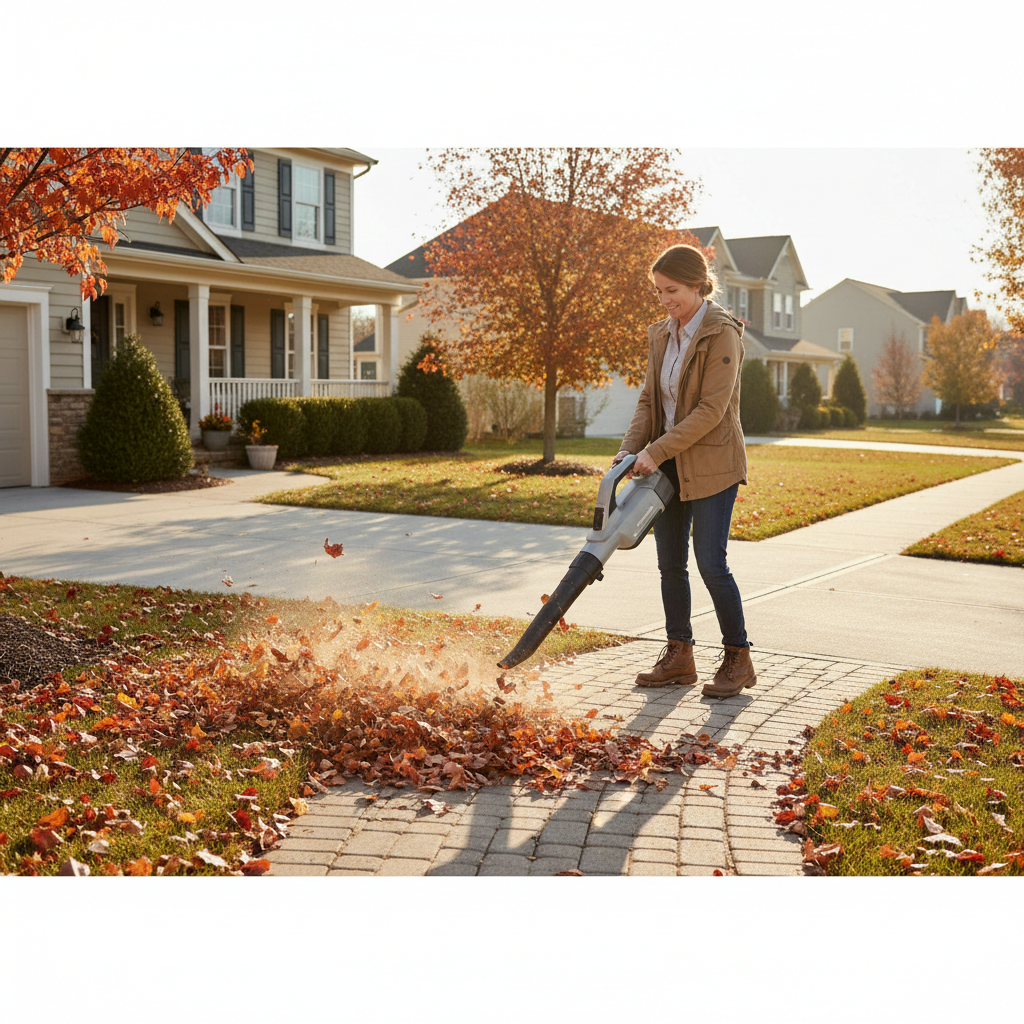
What “best” really means for a cordless yard leaf blower
In most yards, “best” comes down to how quickly you can move leaves to a pile without stopping, and without fighting the tool. Not everyone needs the highest numbers; a small yard with a patio has different needs than a half-acre with maples.
- Air volume (CFM): how much air the blower moves, usually the biggest factor for moving lots of dry leaves across flat ground.
- Air speed (MPH): how hard it hits, often more useful for stuck debris, wet leaves, and moving material out of cracks.
- Battery system: voltage and amp-hours affect runtime, but the brand ecosystem affects long-term cost even more.
- Ergonomics: balance, trigger comfort, cruise control, and weight with battery installed.
- Noise: important for neighborhoods, early weekends, and your own comfort.
According to OSHA, prolonged exposure to high noise levels can contribute to hearing loss, so if your blower is loud or you run it often, hearing protection is a reasonable idea even for homeowners.
Quick comparison table: cordless leaf blower “types” and who they fit
Instead of pretending there’s one winner, it’s more realistic to pick a category that matches your yard. Use this as your “shortlist filter” before you compare brands.
| Category | Typical yard fit | What it does well | Tradeoffs |
|---|---|---|---|
| Compact 18V/20V blower | Small yards, patios, garage cleanup | Lightweight, quick grab-and-go | Struggles with wet piles, shorter runtime |
| High-output 40V class | Medium yards with seasonal leaf drop | Strong all-around performance | Heavier batteries, higher cost |
| Dual-battery 56V/60V+ class | Large yards, heavy leaf volume | Fast cleanup, better with damp leaves | Price, storage space, noise can increase |
| Backpack battery blower | Long sessions, big properties | Comfort for extended use, power | Bulky, expensive, overkill for small yards |
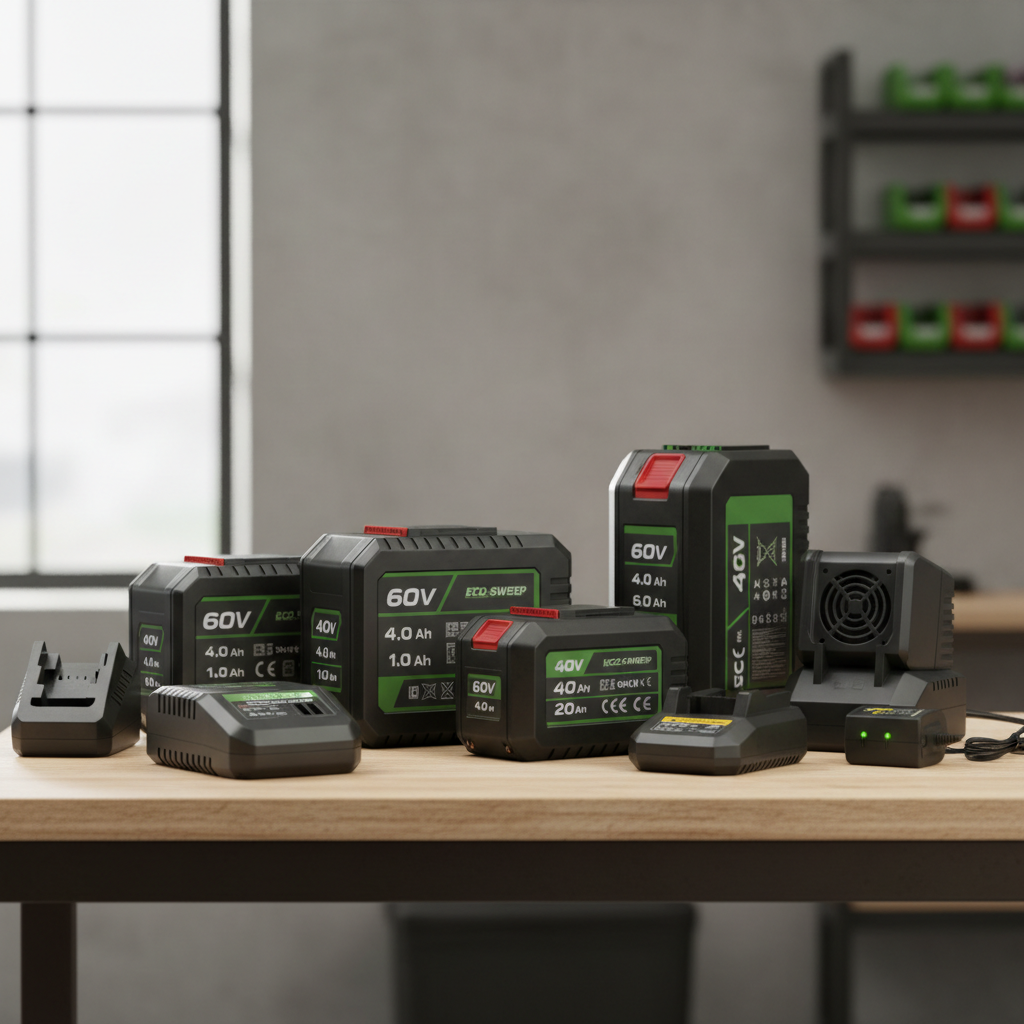
Why cordless blowers disappoint (and how to avoid the common traps)
Most frustration comes from a mismatch between expectations and conditions. A blower that clears a driveway in a review might bog down in your yard because of moisture, surface texture, or leaf type.
- Wet leaves and matted piles: you need better air speed and sustained airflow, and you’ll burn battery faster.
- Mulch beds: too much air volume can scatter mulch, so you want controllable power, not just maximum output.
- Runtime assumptions: brands may quote runtime on low mode; real cleanup often needs high or “turbo.”
- Battery reality: a higher amp-hour pack helps, but it adds weight; fatigue matters if you’re working 20–30 minutes.
- Nozzle design: some models push air more efficiently; a “flat” nozzle can feel stronger for clearing hard surfaces.
If you’re aiming for the best cordless leaf blower for yard cleanups, treat “turbo” as a short burst tool, not the mode you live in for the whole job.
A self-check list: pick the right class before you pick a brand
This is the quick way to sort yourself into the right tier. Be honest about your yard; it saves money.
Yard size and layout
- Small (townhome, small lot): mostly hard surfaces, light leaf drop, short sessions.
- Medium (typical suburban): mix of lawn and beds, seasonal leaf waves, 20–40 minute sessions.
- Large (many mature trees): frequent heavy accumulation, damp piles, long sessions, lots of walking.
What you actually need to move
- Dry oak/maple leaves on driveway and sidewalk
- Wet leaves after rain, or compacted leaf mats in grass
- Pine needles in cracks and edging
- Light snow dusting in some climates, if you plan to use it that way
Your tolerance for batteries and noise
- If you already own a battery platform, staying in-system often beats chasing specs.
- If neighbors are close, prioritize lower noise designs and avoid running high mode longer than needed.
Best cordless leaf blower for yard: “best for” recommendations (2026-style)
I’m not going to pretend one model fits everyone, because yards don’t work that way. These are the most common buyer profiles, with what to look for and what to skip. When you compare listings, match the profile first, then compare within it.
Best for small yards and quick cleanups
- Look for: light weight, easy trigger, good control at low/medium, compact storage.
- Battery tip: one mid-size battery often beats two tiny packs you have to rotate constantly.
- Avoid: oversized “turbo-only” models that feel jumpy around mulch and landscaping rock.
Best all-around for a typical suburban yard
- Look for: strong sustained airflow, cruise control, nozzle options, and a battery line you’ll keep using.
- Battery tip: consider a kit with two batteries if your yard produces heavy fall leaf drops.
- Avoid: models with impressive peak numbers but poor runtime at useful settings.
Best for heavy leaf volume and damp conditions
- Look for: high-output class tools, larger battery capacity, and good balance to reduce arm fatigue.
- Battery tip: larger packs add weight, so shoulder fatigue becomes the hidden cost; a second battery may be easier than one huge pack.
- Avoid: underpowered units that force you to “inch” piles across grass, it’s slow and drains batteries.
Best for noise-sensitive neighborhoods
- Look for: quieter designs, smoother motor tone, effective low/medium modes.
- Usage tip: blow in short passes, corral piles closer, then use brief bursts to finish.
- Avoid: running wide-open continuously; it’s loud and often unnecessary.
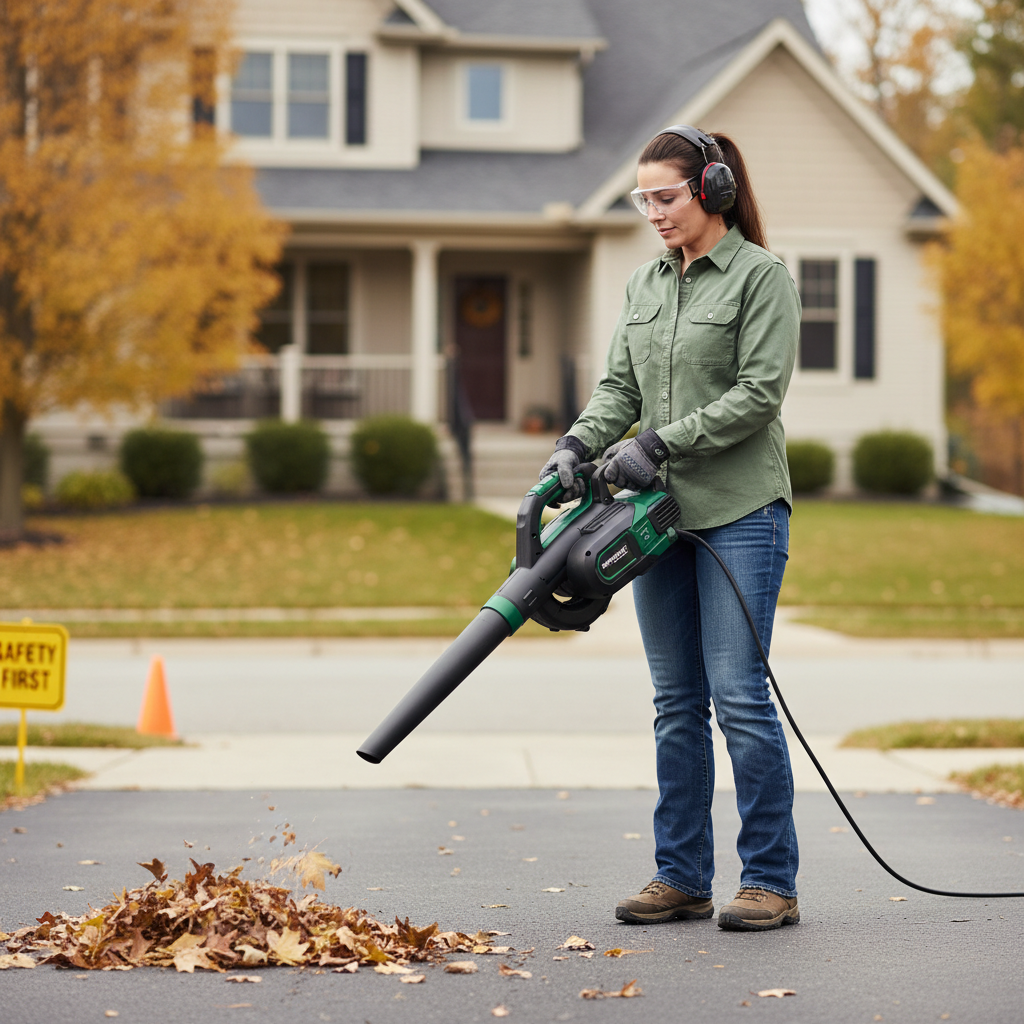
How to get better performance from your cordless blower (without buying a new one)
A lot of “this blower is weak” complaints are really technique or setup problems. A few small changes usually improve results right away.
- Work with the wind: start upwind and push debris downwind into a staging area.
- Use the right nozzle: if your model includes a concentrator or flat nozzle, try it on hard surfaces for better push.
- Don’t fight wet piles: break the mat, move the top layer first, then come back for the heavier stuff.
- Stage your piles: make smaller piles closer to your bag or curb area instead of pushing one pile across the whole yard.
- Battery care: store packs in a moderate temperature range; extreme heat or cold can reduce available power in many cases.
According to the U.S. Department of Energy, lithium-ion batteries perform best within moderate temperature ranges, so leaving packs in a hot car or unheated shed for long periods can affect runtime.
Safety notes and common mistakes
Cordless tools feel “safer” than gas because there’s no fuel, but the blower still throws debris fast. If you have asthma or allergies, dust clouds can be a real issue, and it may be worth asking a medical professional what protection makes sense for you.
- Eye protection: grit, mulch, and small stones can bounce back off concrete and edging.
- Hearing protection: if the sound feels sharp or you’re running it often, protection helps; OSHA guidance is a useful reference point.
- Watch loose gravel: high mode can turn small stones into projectiles.
- Don’t “turbo” everything: it drains batteries, raises noise, and often makes mulch beds messy.
- Be careful around pets and kids: the noise and flying debris can startle them.
Practical buying checklist for 2026 (bring this to your cart)
When you’ve narrowed down a few options, this is the final pass that keeps you from overspending or missing a deal-breaker.
- Battery ecosystem: do you already own tools in that platform, and are extra packs easy to find?
- Included kit value: charger speed, number of batteries, and battery capacity matter more than flashy “max” claims.
- Comfort: check weight with battery, handle angle, and whether cruise control exists for longer sessions.
- Noise constraints: if your city or HOA has rules, look them up before you buy.
- Warranty and service: a strong warranty helps, but local service availability can matter more in real life.
Key takeaway: the best cordless leaf blower for yard work is the one that matches your yard’s “worst day,” not its easiest day, while still being comfortable enough that you’ll actually use it.
Conclusion: choosing your “best” cordless yard leaf blower
If you want a clean, low-stress yard routine in 2026, pick the blower class based on your leaf volume and moisture conditions, then let batteries, comfort, and noise narrow the field. Most people end up happiest when they buy slightly more capability than they think they need, but not so much that the tool becomes heavy and annoying.
Do two things next: measure how long your typical cleanup takes, and decide whether you want one bigger battery or two standard packs to finish the job without rushing.
FAQ
- What specs matter most when choosing the best cordless leaf blower for yard use?
CFM and MPH both matter, but real-world comfort and runtime often decide satisfaction. If your debris is damp or matted, prioritize stronger “push” and enough battery to keep that power available. - Is a higher voltage blower always better?
Not always. Higher voltage platforms often deliver more power, but they can weigh more and cost more. For small yards, a lighter blower you grab more often can outperform a “bigger” one you avoid using. - How many batteries do I need for a medium yard?
Many homeowners are fine with one larger-capacity pack, but two standard batteries can be more flexible, especially in fall. It depends on how much you rely on high mode and how heavy your leaf drop gets. - Can a cordless blower handle wet leaves?
Sometimes, but it’s harder work and drains batteries quickly. If you often clean up after rain, look for higher-output models and plan on extra battery capacity. - Are cordless blowers quieter than gas?
Usually, yes, though “quiet” varies a lot by model and power setting. Even so, hearing protection can still be smart for longer sessions or louder tools. - Do I need a leaf vacuum/mulcher instead of a blower?
If you bag a lot of leaves and prefer less blowing around, a vacuum/mulcher can help, but they can clog in damp conditions. Many yards do well with a blower for staging plus a separate collection method. - When should I consider a backpack cordless leaf blower?
If your sessions run long and arm fatigue is your limiting factor, a backpack setup may feel easier. For small or medium yards, it’s often more tool than you need.
If you want an easier path
If you’re stuck between two power classes, or you’re trying to make your existing battery system work without buying into a new platform, it can help to map your yard, estimate real cleanup time, and choose a battery plan first, then pick the blower that fits that plan.