
The best pruning shear for rose bushes is the one that makes clean cuts on live canes without making your hand hate you by the third plant, and that usually comes down to blade style, fit, and how easy it is to keep sharp.
Roses punish bad pruners: thick, thorny stems twist, sap gums up blades, and a slightly crushed cut can invite dieback. Many gardeners think “sharp is sharp,” then wonder why their canes look mashed or why their wrist hurts after 15 minutes.
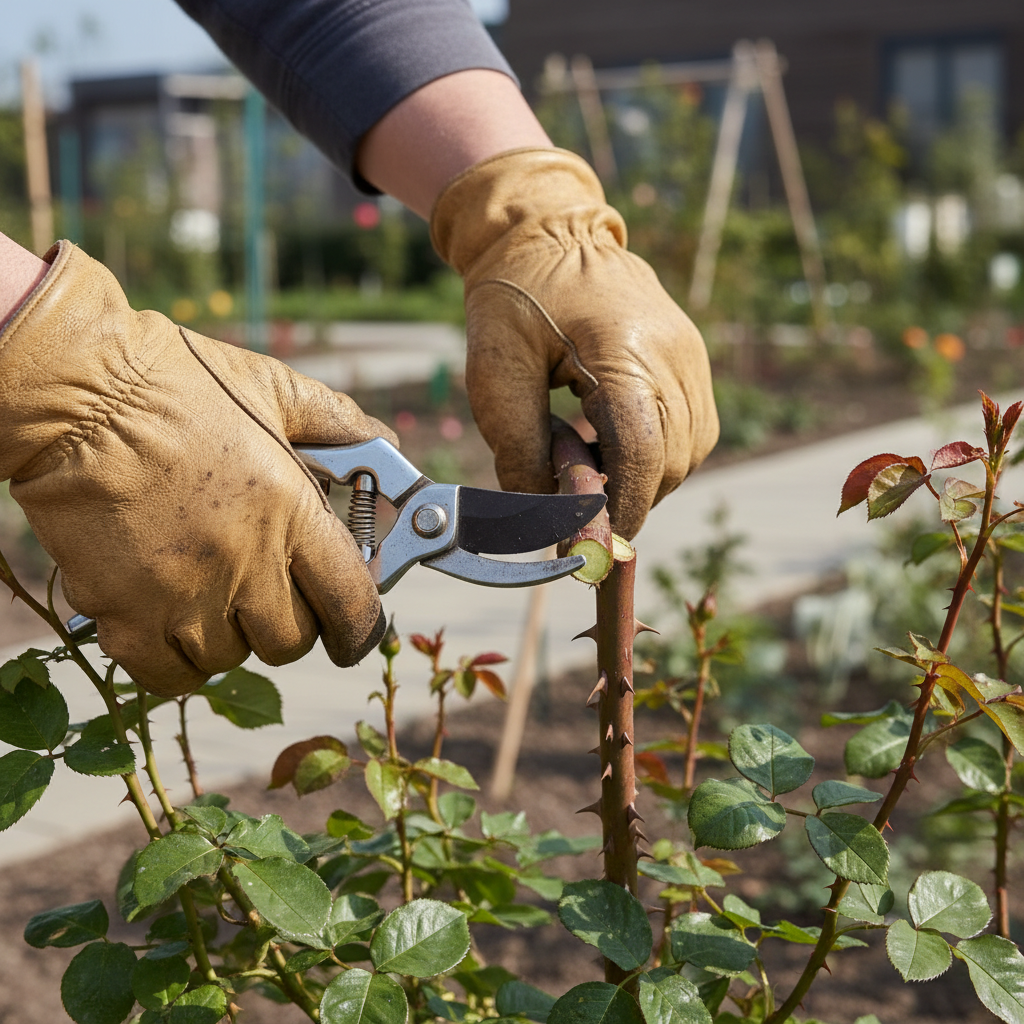
This guide keeps it practical: how to choose between bypass and anvil, what specs matter for roses, a quick self-check so you don’t overbuy, and a short list of “green flags” to look for when you compare options online or in-store.
What makes a pruning shear “best” for rose bushes
For roses, you’re usually cutting living wood, and clean tissue matters. A good shear should slice rather than crush, stay aligned under pressure, and feel stable when you’re reaching into thorny growth.
- Clean cut quality: a smooth, non-ragged cut helps the cane heal more predictably.
- Capacity that matches real canes: most rose pruning sits around 1/4–3/4 inch, with occasional thicker canes.
- Comfort and control: grip shape, spring tension, and weight affect fatigue more than many people expect.
- Maintenance realism: if sharpening and cleaning feel annoying, you won’t do it, so pick a design you’ll actually maintain.
According to Royal Horticultural Society (RHS) guidance on pruning, using sharp, appropriate tools helps achieve clean cuts and reduces damage to plant tissue, which is especially relevant when pruning roses.
Bypass vs. anvil vs. ratcheting: which blade style fits roses
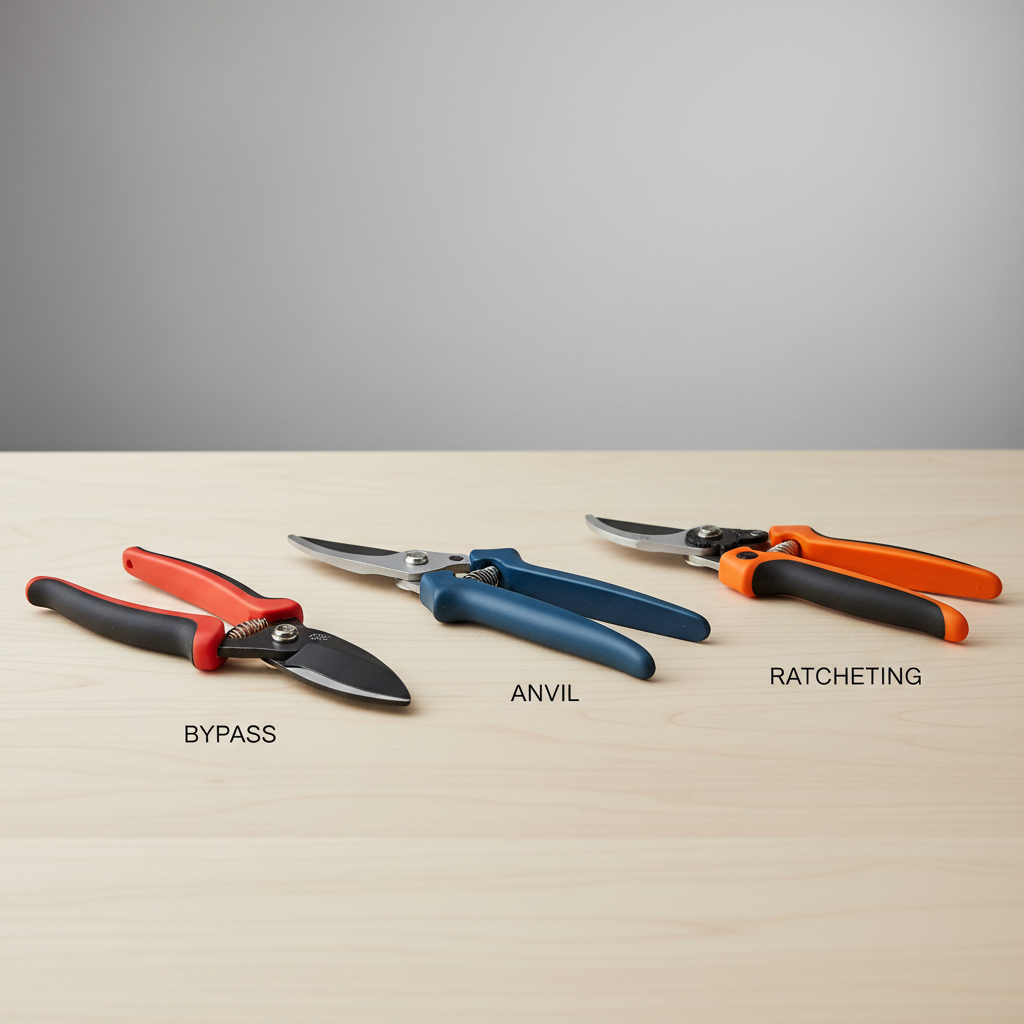
If you only remember one rule, make it this: for rose bushes, bypass pruners are the default choice in many situations because they cut like scissors and are kinder to live stems.
Bypass pruners (usually the top pick)
Two blades pass each other, leaving a crisp cut. This is what most people mean when they ask for the best pruning shear for rose bushes.
- Best for: green or live canes, shaping, deadheading, thinning.
- Watch-outs: if you twist while cutting, you can still tear bark, so technique matters.
Anvil pruners (situational)
One blade closes onto a flat “anvil.” They can crush soft, live stems, but they’re handy when you’re removing dry, dead wood.
- Best for: truly dead canes, dry cleanup, rougher cuts where precision matters less.
- Watch-outs: more bruising on live stems, which is why many rose growers avoid them for regular pruning.
Ratcheting pruners (helpful for hand strength)
Ratcheting mechanisms let you cut thicker canes in stages. They can be a relief if grip strength is limited, though they’re sometimes slower in tight rose thickets.
- Best for: occasional thicker canes, arthritis or reduced hand strength.
- Watch-outs: more moving parts, more to clean, and the mechanism can snag in dense growth.
Key specs that actually matter (and what to ignore)
Product pages love specs, but only a few consistently predict whether you’ll enjoy using a shear on rose bushes.
- Cutting capacity: look for a realistic max around 3/4 inch for most home roses. If you regularly face 1 inch canes, consider loppers as well.
- Blade steel: high-carbon steel often sharpens nicely; stainless resists rust. Either can work, but edge retention varies by brand and heat treatment.
- Blade coating: non-stick coatings can reduce sap buildup, not magic, but helpful with sticky cuts.
- Lock design: one-handed locks are nice, but the key is that it doesn’t pop open in your pocket.
- Replaceable parts: replaceable blades and springs can extend lifespan, especially if you prune a lot.
What I’d ignore unless you’re picky: flashy “titanium” buzzwords without clarity, and overly aggressive micro-serrations for live rose canes, because they can leave rougher cuts and complicate sharpening.
Quick comparison table: choose your best match
Use this as a fast filter before you start comparing brands and prices.
| Situation | What you’ll feel | Shear type to prioritize | Features to look for |
|---|---|---|---|
| Routine pruning on healthy rose bushes | Lots of medium cuts, precision matters | Bypass | Sharp replaceable blade, comfortable grip, smooth spring |
| Removing dead, woody canes | Harder, drier cuts | Anvil or robust bypass | Stronger pivot, good alignment, easy-to-clean design |
| Thicker canes + hand strain | Fatigue, sore wrist, reduced grip | Ratcheting bypass | Ratcheting action, ergonomic handle, low-friction pivot |
| Small hands or long pruning sessions | Blisters, cramped grip | Bypass (right size) | Handle size options, softer grip, lighter weight |
Self-check: how to know you’re buying the right pruning shear for your roses
Before you buy anything, answer these quickly. Your answers point to the best pruning shear for rose bushes in your yard, not someone else’s.
- How thick are your typical cuts? If most are under 1/2 inch, almost any quality bypass can work. If you hit 3/4 inch often, prioritize sturdier pivots and stronger blades.
- Do you get hand pain? If yes, look harder at ergonomics, lighter weight, and ratcheting options.
- Do you prune wet plants sometimes? Moisture plus sap means corrosion risk, stainless or good coatings and easy cleaning matter more.
- Are you okay with sharpening? If not, buy a shear with replaceable blades or budget for periodic professional sharpening.
- Are your roses tight and thorny? Slim nose designs help reach into crowded canes with better control.
If two answers conflict, go with comfort and control. A slightly “stronger” tool you hate using tends to sit in the garage.
How to use pruning shears on roses (clean cuts, fewer mistakes)
Even the best pruning shear for rose bushes won’t fix poor technique. The good news, you only need a couple habits.
Cut placement and angle
- Aim for a clean, confident squeeze, no twisting mid-cut.
- Make angled cuts when appropriate so water sheds off the cut surface.
- Use the blade side (not the anvil side on bypass pruners) toward the cane you’re keeping, it helps prevent crushing.
When to switch tools
- If you’re forcing the cut, stop and grab loppers for thicker canes rather than torquing your hand and the pivot bolt.
- If you’re cutting lots of dead wood, consider swapping to an anvil pruner to spare your bypass edge.
Basic sanitation
According to University of California Agriculture and Natural Resources (UC ANR) plant disease guidance, cleaning tools can help reduce spreading pathogens between plants. In practice, many gardeners wipe blades between plants when disease is suspected, and do a thorough clean after the session.
If you suspect disease, it’s often wise to sanitize between cuts or at least between plants, and if you’re unsure what you’re seeing, a local extension office or certified arborist can help identify the issue.
Maintenance that keeps shears sharp through the season
This is where “great shears” separate from “great for a month.” A little care keeps cuts crisp and reduces hand effort.
- After each session: wipe sap off, then dry. A drop of oil at the pivot helps the action feel smooth.
- Weekly in heavy season: check the pivot bolt tension, blades should pass cleanly without wobble.
- Sharpen when you feel tearing: if cuts start looking ragged, sharpen sooner rather than muscling through.
- Spring replacement: if the spring feels weak or uneven, replace it, many brands sell inexpensive springs.
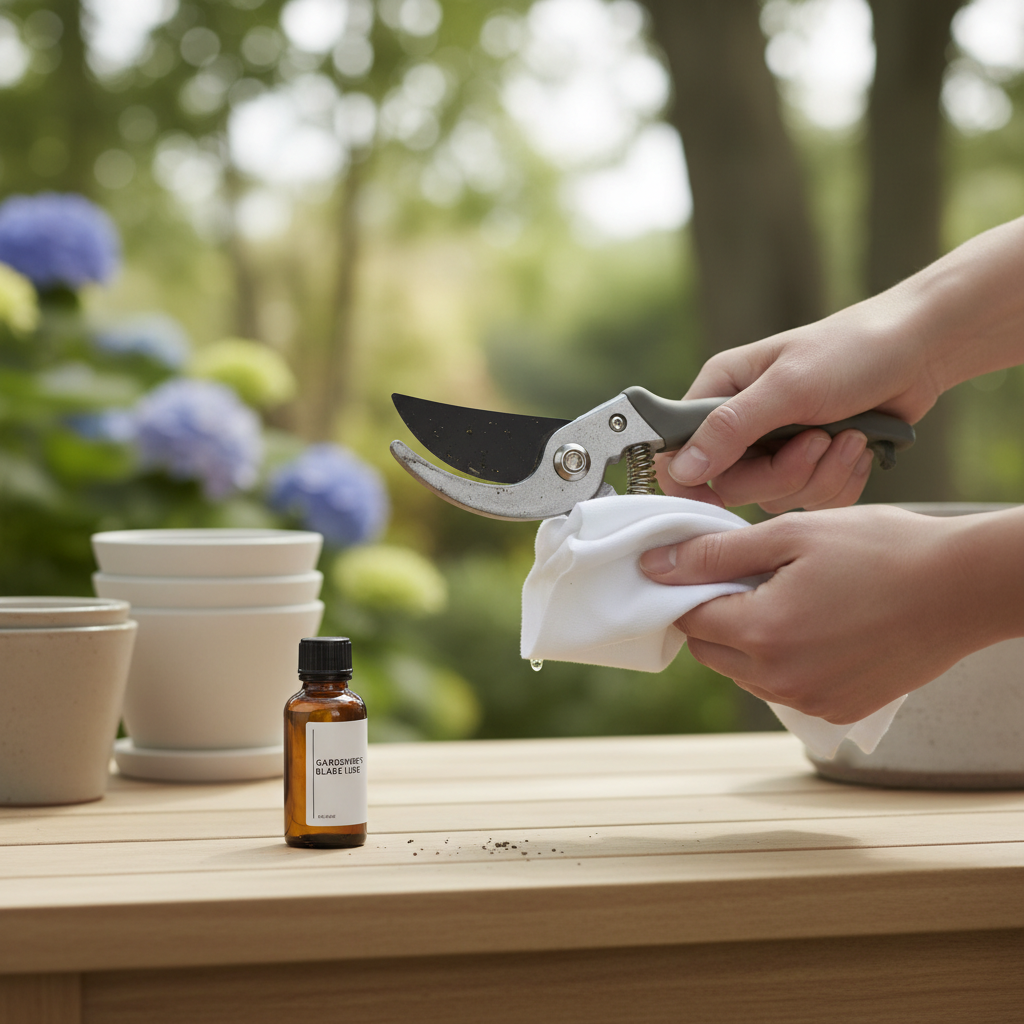
One more honest point: if you store tools in a humid shed, stainless or well-coated blades can save you annoyance, but even then, drying and light oil still matter.
Buying tips for 2026: what to look for in-store or online
If you’re shopping in 2026, you’ll see lots of “ergonomic” claims. I’d focus on what you can verify.
- Look for real size options: some lines offer small/medium handle sizes, which can be a big deal for control.
- Check spare parts availability: blades, springs, and pivot bolts being available is a quiet sign the tool is meant to last.
- Scan reviews for specific failure points: loose pivot, lock breaking, coating flaking. Vague “love it” reviews don’t help much.
- Consider a simple holster: it reduces accidental drops and keeps the blades closed around kids and pets.
Key takeaway: if you can only test one thing in your hand, open and close it 20–30 times. Any pinch point or awkward lock becomes a problem fast when you’re working through a row of roses.
Conclusion: the right choice, then a simple routine
The best pruning shear for rose bushes usually ends up being a well-made bypass pruner that fits your hand, stays aligned, and feels easy to maintain. Match cutting capacity to your real canes, prioritize comfort over hype features, then keep the blades clean and sharp.
If you want a simple next step, pick one quality bypass model with replaceable parts, add a small sharpening tool, and commit to wiping sap off after each pruning session, your roses and your wrists both notice.
FAQ
- What is the best pruning shear for rose bushes if I only buy one tool?
In many home gardens, a quality bypass pruner covers most rose work. Pair it with loppers later if you regularly face thick, older canes. - Are anvil pruners bad for roses?
They’re not “bad” in every case, but they can crush living tissue more easily. Many gardeners reserve them for dry, dead wood. - What cutting capacity do I need for rose canes?
For most modern roses, 1/2–3/4 inch capacity handles the bulk of cuts. If you often see 1 inch canes, it may be more efficient to use loppers for those. - How do I keep rose pruning shears from sticking?
Sap buildup is common. Wipe the blade during use, then clean and lightly oil after pruning. Non-stick coatings help, but they don’t replace cleaning. - Do I need to disinfect pruning shears between rose bushes?
If disease is suspected, disinfecting between plants is a reasonable precaution. In lower-risk situations, many gardeners clean at the end of the session, but local conditions vary. - Why are my cuts ragged even with “sharp” shears?
Often it’s blade misalignment, a loose pivot, or cutting too thick a cane for the tool. Tighten the pivot, sharpen properly, and switch to loppers when needed. - Is a ratcheting pruner worth it for roses?
It can be, especially if hand strength is a limiting factor. The tradeoff is speed and slightly more fiddly cleaning due to the mechanism.
If you’re pruning a lot of roses each season and want a more “set it and forget it” setup, consider building a small kit around one reliable bypass pruner, a compact sharpener, and a cleaning spray so maintenance stays easy instead of becoming a chore.