
Concrete screw masonry set is usually what you reach for when you want a fast, clean way to anchor into concrete, block, or brick without switching between a pile of mismatched bits and drivers.
But if you’ve ever had a screw spin out, snap, or refuse to bite, you already know the real issue is rarely “the screw.” It’s the combination of base material, hole size, drill method, and the specific accessories included in the set.
This guide breaks down what actually matters when picking a set, how to tell whether your current kit fits your job, and the drilling/installation habits that make concrete screws feel “easy” instead of unpredictable.
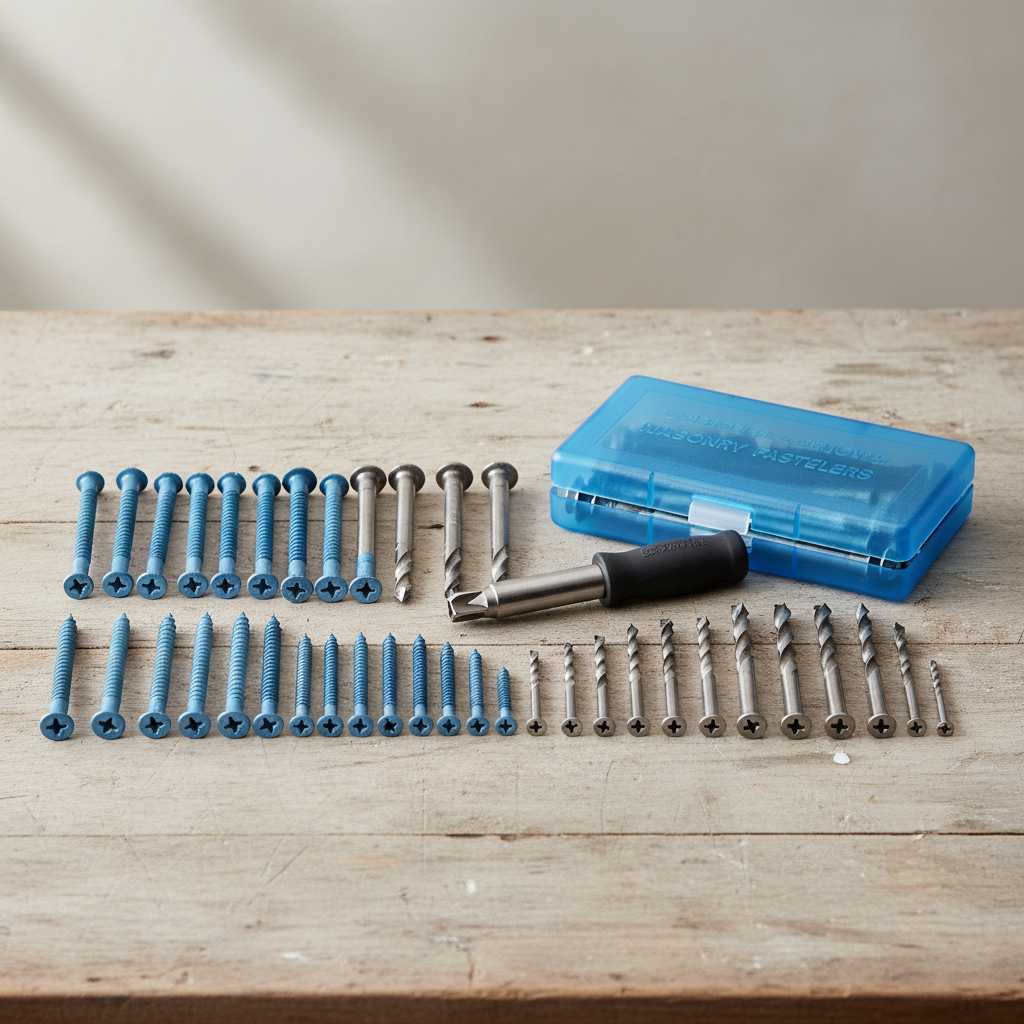
What a masonry concrete screw set should include (and why it matters)
A good set is less about having “more pieces” and more about having the right matching parts so the hole, screw, and driver all work together.
- Concrete screws in common lengths and diameters (often 3/16 in and 1/4 in). Length range should cover your typical embedment plus fixture thickness.
- Carbide-tipped masonry drill bit(s) sized specifically for the screw diameter. If the bit is off, holding power drops or the screw binds and snaps.
- Correct drive system (hex head with nut setter, or Phillips/Torx/flat). If your kit includes a driver bit, it should fit snug, no wobble.
- Installation guidance (packaging card or insert). It sounds minor, but recommended hole depth and minimum edge distance prevent a lot of avoidable failures.
If the set skips the matching bit, or includes a “generic” masonry bit with no sizing callout, treat it as a red flag for consistency on real jobs.
Why concrete screw installs fail in the real world
Most complaints come down to mismatch and technique, not bad luck. These are the usual culprits.
Hole diameter and depth are slightly wrong
Concrete screws need the hole diameter to be very close to spec. Too small and you’ll fight the screw, over-torque, and possibly shear it. Too big and it will spin without grabbing.
Dust is left in the hole
Dust acts like ball bearings. It also prevents the threads from fully engaging. Even a quick blow-out or vacuum changes the feel immediately.
Base material isn’t what you think
Poured concrete, CMU block (solid vs hollow), brick, and mortar joints behave differently. A kit that works great in cured slab concrete may feel inconsistent in older brick or crumbly mortar.
Wrong drill mode or dull bit
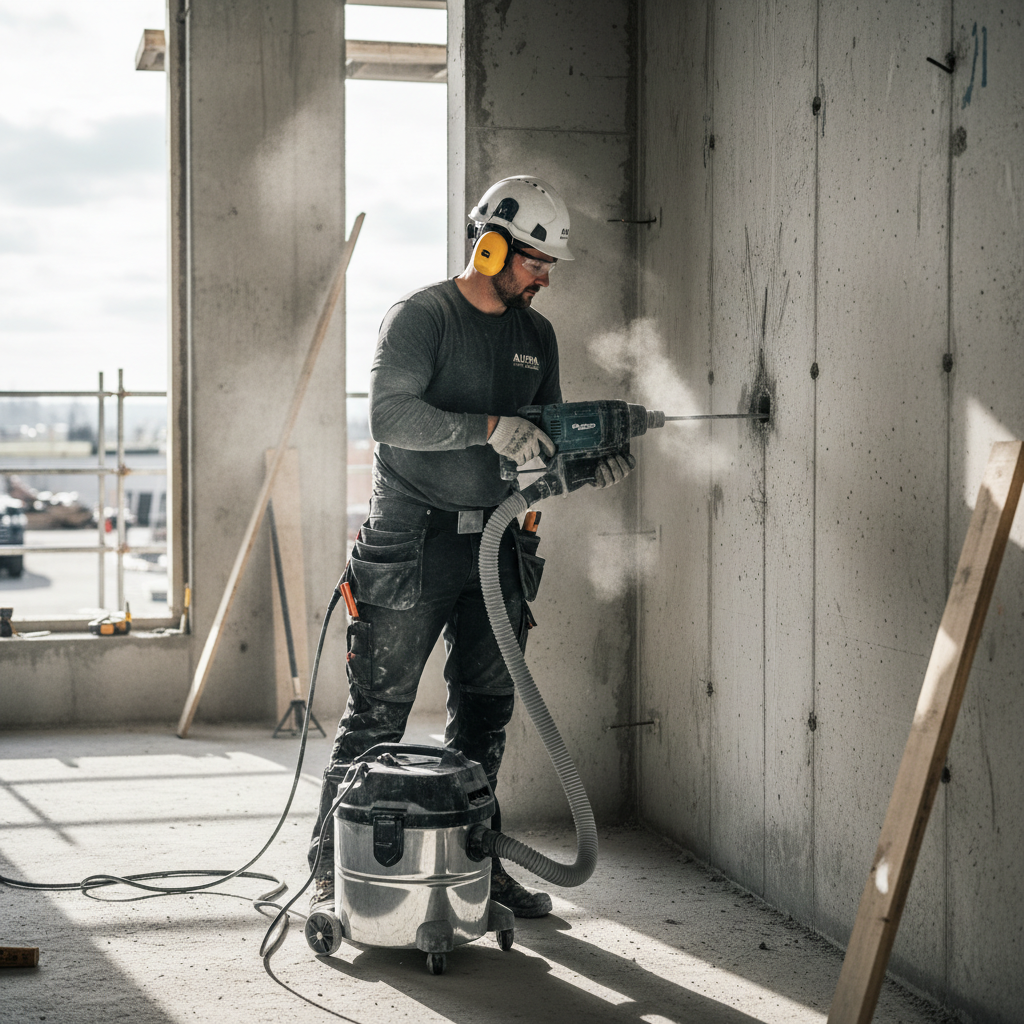
Hammer drill helps in dense concrete, but aggressive hammering in softer brick can blow out the hole. A worn carbide bit tends to wander, overheat, and enlarge the hole.
According to OSHA (Occupational Safety and Health Administration), silica dust from drilling concrete can be hazardous, so controlling dust and using proper PPE is not optional on many job sites.
Quick self-check: is your set right for your project?
Before you buy another kit (or blame the screws), run through this short checklist. It’s surprisingly clarifying.
- Material: poured concrete, brick, or CMU block (solid or hollow)? If you’re not sure, test-drill in an inconspicuous spot and look at dust/feel.
- Load type: light-duty (conduit straps, signs) or moderate (shelving standards, brackets)? Concrete screws are common for light-to-moderate loads; heavy structural loads often need engineered anchors.
- Edge distance: are you close to a slab edge or brick edge? Tight edges raise cracking/spalling risk.
- Tooling: do you have a hammer drill available if the concrete is hard? If not, plan for slower drilling and extra bits.
- Repeat work: one-off install or dozens of fasteners? High volume makes a well-matched concrete screw masonry set worth it.
If you’re mounting into old brick or questionable mortar, plan on extra caution. Many times the “problem” is the substrate, and the fix is changing anchor type, not muscling the same screw.
Choosing the right concrete screw masonry set (practical selection factors)
Here’s what I’d prioritize when comparing sets on a shelf or online listing, especially for typical US DIY and light pro work.
- Screw diameter options: 3/16 in is forgiving for lighter mounts; 1/4 in can feel more secure but demands better hole accuracy.
- Length variety: you want enough length to account for your fixture thickness plus embedment, without bottoming out in a shallow hole.
- Head style that matches access: hex heads are convenient with nut setters; Phillips/Torx can help where a socket won’t fit.
- Corrosion resistance: indoors is easy. Outdoors or damp areas often benefit from corrosion-resistant coating or stainless options, but stainless behaves differently in torque, so go slow.
- Included bit quality: carbide tip, labeled sizing, and ideally more than one bit if you’ll do multiple holes.
Drilling and installing: the method that avoids stripping and snapping
Concrete screw installs look simple, and they are, but the “small discipline” steps are what keep threads intact.
Step-by-step (works for most slab concrete and solid block)
- Mark and check clearance so the screw goes in straight, especially near edges.
- Drill the pilot hole with the set’s specified masonry bit, keep the drill perpendicular, and avoid wobbling the bit.
- Drill deep enough so the screw doesn’t bottom out. Many installers add a little extra depth to account for dust.
- Clear the hole by vacuuming or blowing out dust. If you care about reliability, don’t skip this.
- Drive the screw steadily with controlled torque. If it binds hard, back out, clear dust again, and reassess hole size and depth.
Two small tactics that save fasteners
- Use an impact driver carefully: many people love them for speed, but high torque can snap smaller screws. If you use impact, feather the trigger and stop once snug.
- Don’t “re-drill” wildly: if the hole is off, enlarging it freehand can create an oversized cone. It’s often better to move the location slightly or step up to a different anchor type.
According to CDC (Centers for Disease Control and Prevention), respirable crystalline silica exposure can occur during concrete drilling, so using dust controls and appropriate respiratory protection is often recommended; for jobsite requirements, follow your employer policy and local rules.
Common mistakes and how to avoid them
This is the stuff that wastes an afternoon because it feels like it “should work.”
- Overtightening to “make it secure”: concrete screws don’t behave like wood screws. Once snug, extra torque can strip the hole or shear the screw.
- Anchoring into mortar joints by default: sometimes it’s fine, sometimes it crumbles. If the mortar is soft, consider repositioning into brick or using a different anchor.
- Using the wrong bit because it’s close: “close enough” is where spinning fasteners come from. Match the bit to the screw size in the set.
- Ignoring minimum spacing: tight clusters can crack brick or spall concrete. If layout forces tight spacing, you may need a different fastening strategy.
Comparison table: which setup fits which job?
Use this as a quick decision tool when you’re choosing between a concrete screw masonry set and other common anchor options.
| Use case | Concrete screws (with set) | Plastic anchors | Wedge/sleeve anchors |
|---|---|---|---|
| Fast install, light-to-moderate loads | Good fit, especially with matched bit | Can work but varies by substrate | Usually overkill |
| Old brick / fragile mortar | Can be inconsistent; test first | Sometimes gentler | Risk of cracking, depends on condition |
| Outdoor exposure | Good if coated/stainless is appropriate | Anchor material may degrade over time | Often good, but more permanent |
| Heavy-duty structural loads | May not be appropriate | Not appropriate | More common, but must be engineered |
When you should consider professional guidance
If you’re attaching anything safety-critical, it’s worth slowing down. Hanging overhead loads, mounting guardrails, securing heavy racks, or anchoring into unknown slab condition can cross into engineered territory.
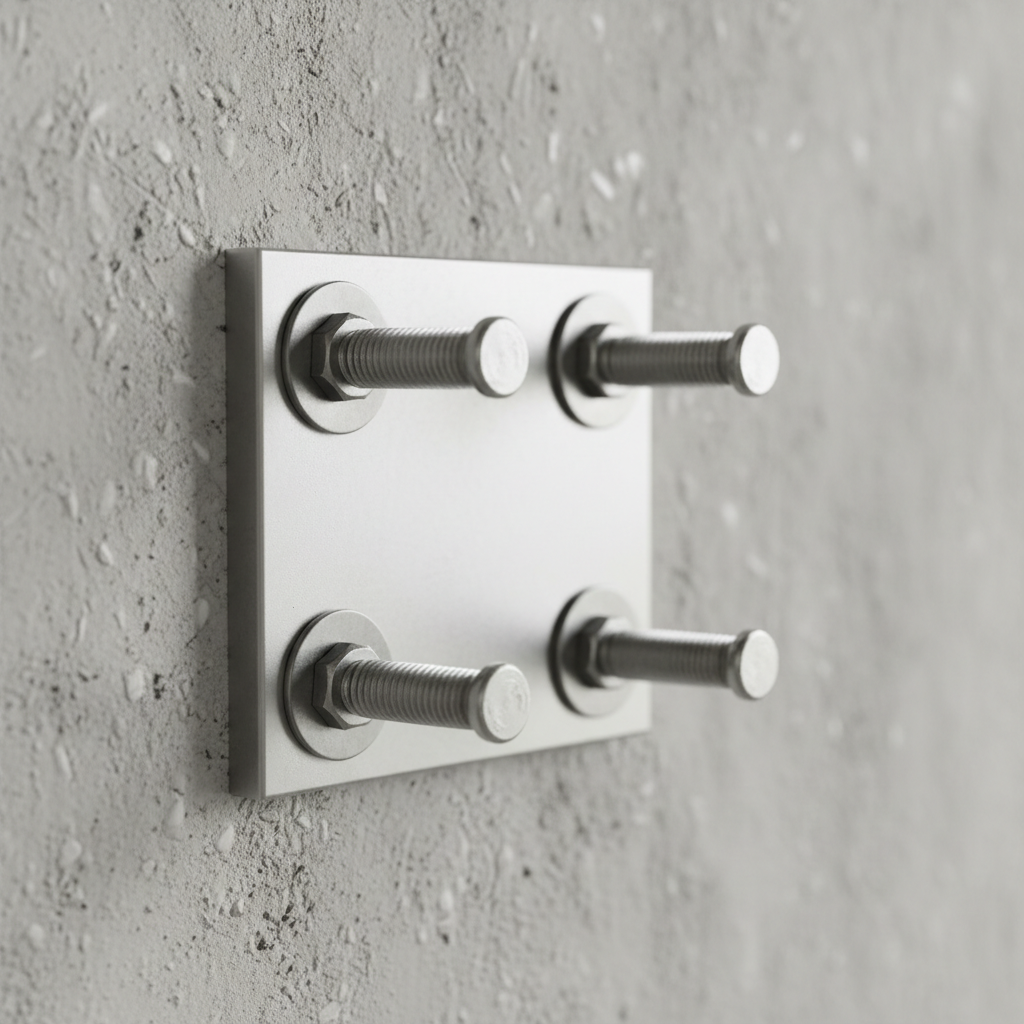
According to ACI (American Concrete Institute), anchor performance depends on factors like concrete condition, edge distance, and installation quality. When the load matters or conditions are uncertain, a qualified contractor or engineer can help confirm the right anchor type and layout.
Key takeaways and a simple action plan
Key points: a concrete screw masonry set works best when the screw, carbide bit, and driver are matched, and when you treat hole cleanliness and depth as part of the fastening system.
- If your screws spin, suspect an oversized hole, dusty hole, or weak substrate.
- If your screws snap, suspect an undersized hole, bottoming out, or over-torque.
- If results vary hole-to-hole, suspect bit wear or changing base material.
Action plan: pick a set sized for your typical fixtures, drill to spec with a sharp matching bit, clear every hole, then drive with controlled torque. If the substrate is questionable or the load is high, pause and confirm anchor choice before you commit.
FAQ
What is included in a concrete screw masonry set?
Most sets include concrete screws plus a correctly sized carbide masonry drill bit and sometimes a driver bit or nut setter. The “matched bit” is the part that prevents a lot of spinning and stripping.
Can I use a regular drill instead of a hammer drill?
Sometimes, yes, especially in softer block or mortar, but hard poured concrete can be slow and can burn up bits. If the drill struggles or the bit overheats, a hammer drill usually makes the process more predictable.
Why does my concrete screw just spin and not tighten?
Common causes include an oversized hole, dust left in the hole, or weak material like crumbly mortar. If you can’t correct the hole, switching to a different anchor style is often more effective than re-driving the same screw.
Do I need to blow out the hole every time?
If you want consistent holding, yes. Dust reduces thread engagement. A small vacuum, compressed air, or a hand pump can make a noticeable difference.
Is a concrete screw masonry set good for cinder block?
It can be, but hollow CMU can be tricky depending on where the screw lands. For hollow cells, some situations call for toggle-style anchors or sleeve anchors, especially for heavier loads.
Should I use an impact driver to install concrete screws?
You can, but go easy. Impact drivers can over-torque quickly, especially on smaller diameters, which may strip the hole or snap the fastener. Controlled driving beats speed here.
How do I choose screw length for concrete?
Think fixture thickness plus recommended embedment depth. Too short and holding power drops, too long and you may bottom out or hit rebar. When in doubt, confirm the set’s guidance for embedment and minimum hole depth.
If you’re trying to standardize your installs for a shop, maintenance crew, or recurring DIY projects, a well-matched concrete screw masonry set is one of those small upgrades that reduces “mystery failures” and saves time, especially when you keep spare bits on hand and stick to a consistent drilling routine.