
Hose pinch off tool pliers are built for one job: temporarily stopping fluid flow in a flexible hose so you can service a system without draining it or making a mess. If you’ve ever tried to clamp a coolant hose with vise grips and ended up with a damaged line, this tool sits in that “why didn’t I buy this earlier” category.
The value is practical, not fancy: fewer spills on the floor, less air introduced into the system, and less risk of chewing up rubber. It also saves time because you can isolate a section quickly instead of chasing drips or draining a whole reservoir.
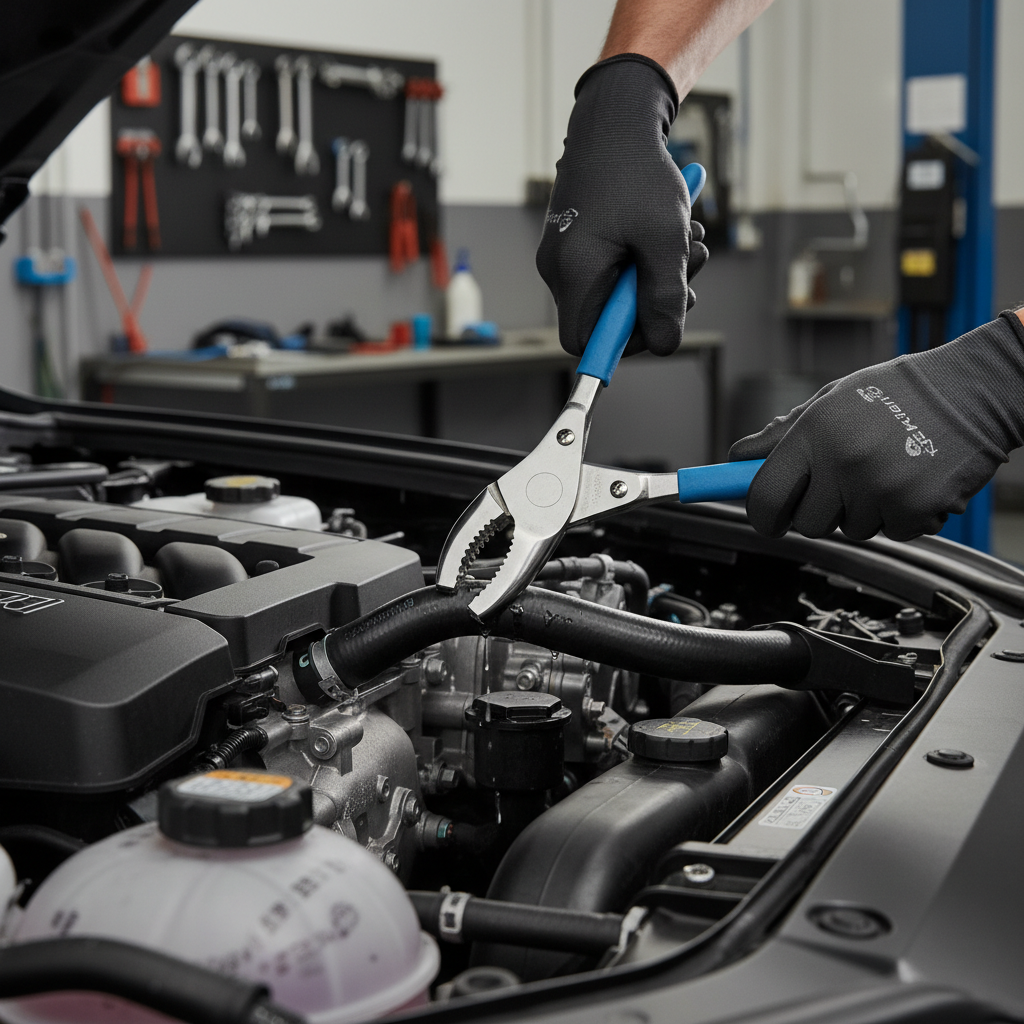
One quick note before we get into selection and technique: pinch-off tools are for flexible hoses in good condition. If the hose is brittle, cracked, or swollen, clamping it can push it over the edge, sometimes right when you’re least ready for it.
What these pliers actually do (and when they work best)
Pinch-off pliers compress a hose wall evenly, creating a temporary seal without sharp edges. That “even pressure” part matters, it’s why they’re different from general-purpose clamps.
- Best use cases: coolant lines, washer fluid, fuel vapor/EVAP lines, small vacuum hoses, and many low-pressure fluid lines.
- Sometimes OK: certain low-pressure fuel supply hoses, depending on material and diameter, but be cautious and check manufacturer guidance.
- Usually not appropriate: high-pressure fuel injection lines, hard plastic tubes, braided high-pressure hoses, and any line where the system design forbids restriction.
According to OSHA, controlling exposure to hazardous chemicals requires using appropriate work practices and PPE, and preventing spills is part of that bigger safety picture. Even if you’re just doing a driveway repair, treating fluids as “don’t let them spread” is a good habit.
Common reasons people reach for pinch-off pliers
Most buyers aren’t collecting specialty tools, they’re trying to avoid one of these headaches.
- Coolant service without a full drain: radiator swaps, thermostat housing work, heater core hose service.
- Cleaner hose replacement: clamp the line, cut or loosen, swap, unclamp when ready.
- Reducing air intrusion: keeping a column of fluid helps you avoid extended bleeding time in many cooling systems.
- Shop cleanliness and slip prevention: less fluid on the floor, fewer rags, less cleanup.
But reality check: if the system is already contaminated or the fluid is overdue, draining and flushing may still be the smarter move. Pinch-off tools help with control, not with neglect.
Types of hose pinch-off tool pliers (and what to choose)
Not all clamps feel the same in hand. The differences show up when you’re trying to fit around a tight hose run, or when you need consistent pressure without over-squeezing.
Key designs you’ll see
- Locking pinch-off pliers: ratcheting or locking mechanism holds pressure hands-free. Great when you need both hands in the bay.
- Non-locking / spring-loaded: quicker on/off, less “set-and-forget,” often used for lighter jobs and smaller lines.
- Parallel jaw style: jaws stay more parallel as they close, which can reduce hose distortion on some materials.
- Soft jaw pads / wide jaws: wider contact area lowers the risk of cutting or creasing.
Quick comparison table
| Tool type | Strengths | Watch-outs | Good for |
|---|---|---|---|
| Locking pinch-off pliers | Hands-free hold, consistent clamp | Easy to over-clamp if you crank down | Coolant hoses, repeated service work |
| Spring-loaded clamp pliers | Fast, simple, lighter pressure | May not fully stop flow on thicker hoses | Washer lines, small hoses |
| Parallel jaw pinch-off tool | More even squeeze across hose | Can be bulkier in tight spaces | Sensitive rubber or silicone hoses |
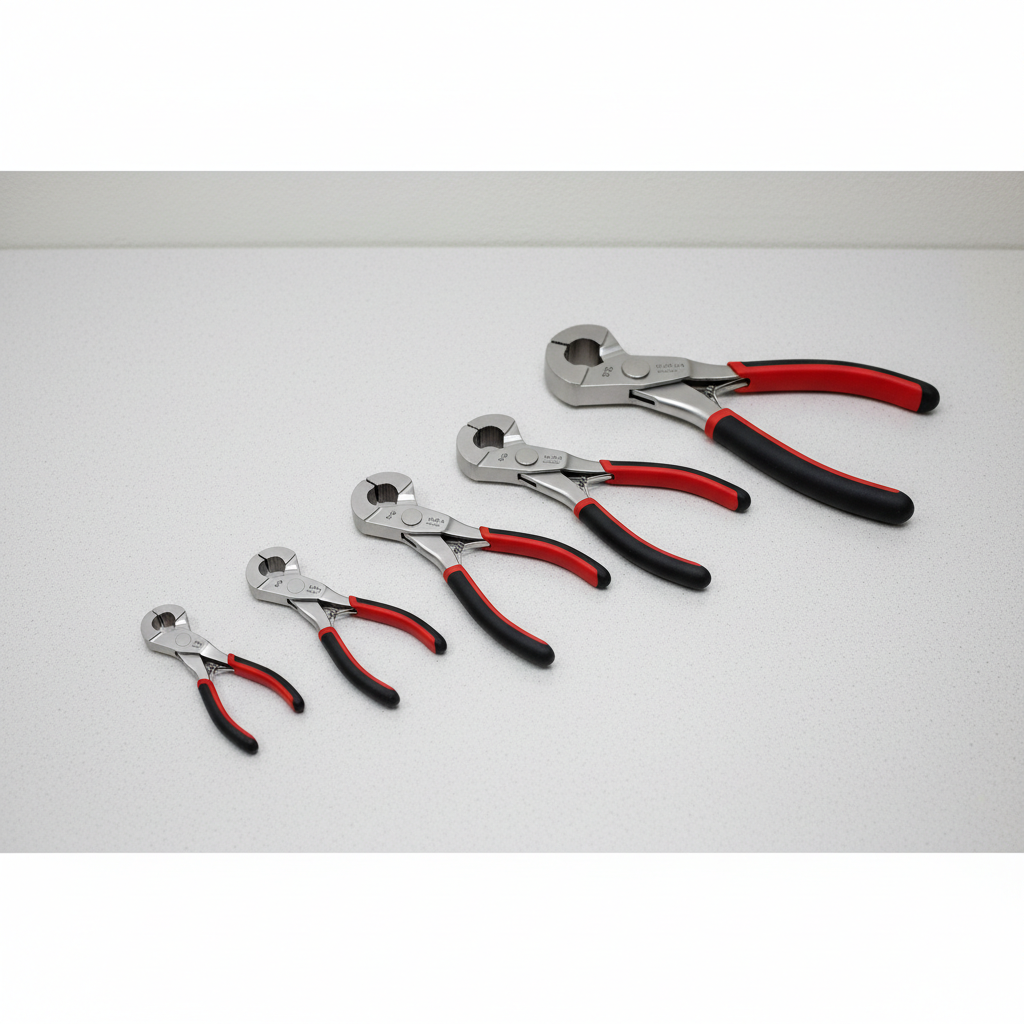
Selection tip that saves frustration: measure your hose outer diameter and buy for that range, not just “looks about right.” A tool that’s too small forces aggressive clamping, and a tool that’s too large can leak past the jaws.
Self-check: is your hose and job a good match?
Before you clamp anything, use this quick checklist. It prevents the classic “tiny shortcut turns into big leak” moment.
- Hose condition: no surface cracking, no sticky rubber feel, no bulges near ends.
- Hose material: standard rubber usually tolerates clamping better than aged silicone or reinforced specialty hoses, though it varies by brand.
- System pressure: you’re working on a low-pressure section, not a high-pressure line.
- Temperature: line is cool enough to handle safely, especially for coolant. Hot systems add burn risk and can change hose elasticity.
- Clamp placement: you can clamp on a straight section, away from fittings, bends, and molded ribs.
If two or more items feel questionable, consider draining the system, using line plugs, or replacing the hose proactively. That’s often cheaper than cleaning up a blown line and refilling fluid twice.
How to use pinch-off pliers without damaging the hose
This is where good tools still get misused. The goal is “stop flow,” not “crush the hose.”
Step-by-step technique
- Relieve pressure first: if applicable, open the reservoir cap slowly when cool, or follow the vehicle/service manual procedure.
- Pick a straight section: avoid clamping right next to a barb fitting, it concentrates stress.
- Close gradually: clamp until flow stops, then stop. More force rarely adds value.
- Keep clamp time reasonable: short-duration isolation is the intent. Long clamps can leave a “memory” crease on some hoses.
- Unclamp slowly: reintroduce flow gently, watch for leaks, and listen for air movement in cooling systems.
Key point: if you see the hose wall folding sharply or the jaws biting into the surface, back off and rethink your setup. In many cases, switching to a wider-jaw tool solves it.
Mistakes that cause leaks, air pockets, or broken hoses
Most problems aren’t mysterious, they come from a few predictable habits.
- Clamping old hoses “just this once”: brittle rubber can crack when compressed, even if it looked fine yesterday.
- Clamping near a bend: a curved section can kink unevenly, letting fluid sneak past while damaging the hose.
- Using serrated jaws: any toothy jaw is a red flag for soft hose work, it can leave permanent cuts.
- Forgetting system bleed: pinching lines can reduce air entry, but it doesn’t guarantee you won’t need to bleed afterward.
According to NIOSH, skin contact with certain chemicals can cause irritation or worse, depending on the substance. That’s a good reminder to treat coolant, fuel, and cleaners as “gloves-on” fluids, and clean spills promptly.
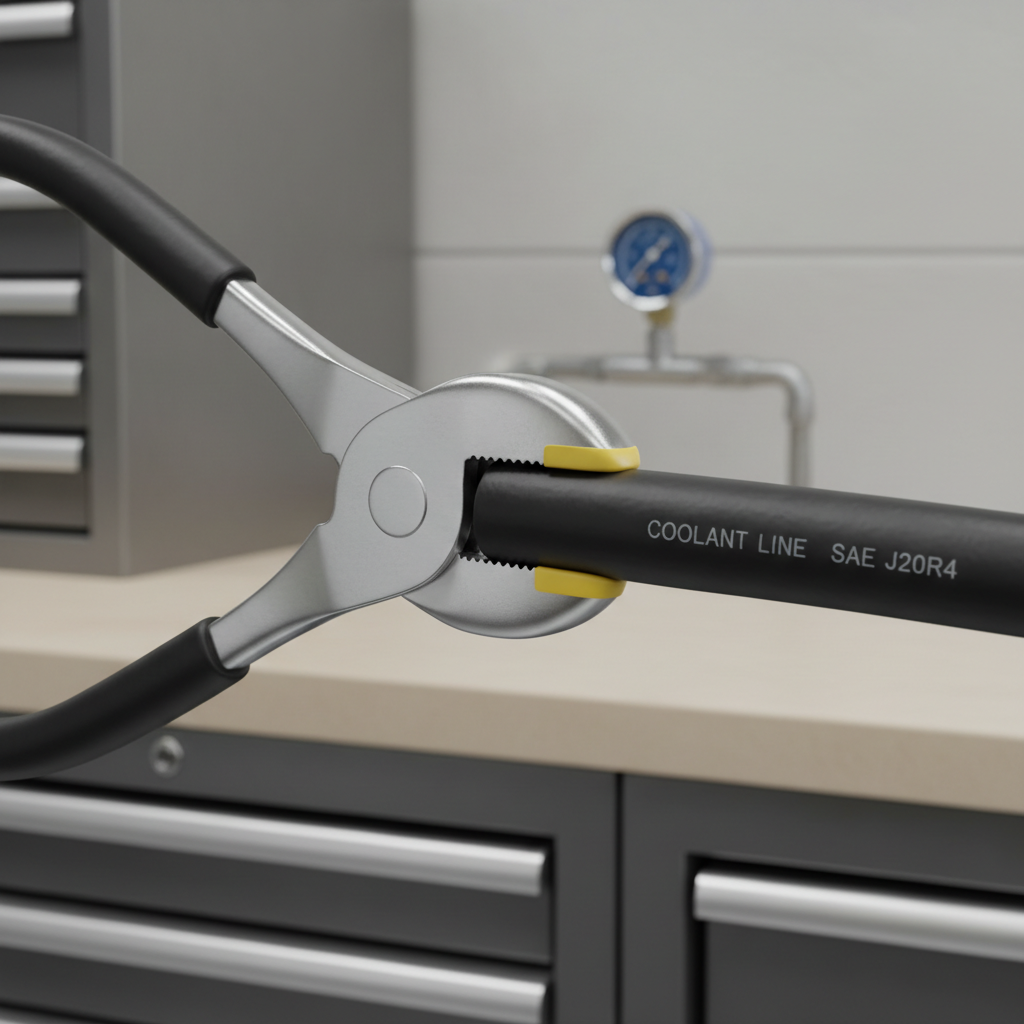
Another easy miss: clamping a hose that has an internal reinforcement layer can behave differently than plain rubber. If the hose feels unusually stiff, test with minimal pressure and watch for seepage rather than muscling it tighter.
Buying guide: what to look for in a good set
If you’re shopping for hose pinch off tool pliers, prioritize hose protection and control over raw clamping force.
- Jaw width and pad material: wider, smoother jaws reduce marking and creasing.
- Range coverage: a 2–3 piece set often fits more real-world jobs than one “medium” tool.
- Lock quality: locking should hold steady without needing “one more click.”
- Access shape: angled jaws help in tight engine bays and under-dash heater lines.
- Chemical resistance: jaw pads should tolerate coolant, oil mist, and common shop fluids.
For occasional DIY use, one medium-size clamp might be enough if you work mainly on coolant hoses. For mixed work, a small/medium/large set is usually the sweet spot.
Practical takeaways and when to call a pro
Conclusion: hose pinch off tool pliers are a simple control tool that can make hose service cleaner and less stressful, as long as you match the clamp style to the hose size and keep the pressure reasonable. They’re not a workaround for a failing hose, and they’re not meant for high-pressure lines.
If you’re dealing with fuel leaks, persistent overheating, or any hose that looks degraded, it may be safer to consult a qualified mechanic. The cost of expert diagnosis can be lower than the cost of repeated fluid loss, overheating damage, or a roadside failure.
If you want one action step today, pick one system you service most, usually coolant for many owners, then buy a correctly sized clamp with wide, soft jaws and practice on an old hose section before doing the real job.
FAQ
Can hose pinch-off pliers damage a hose?
They can, especially if the hose is old or if you over-clamp. Wide, smooth jaws and moderate pressure usually lower the risk, but brittle hoses may crack even with a proper tool.
Are hose pinch off tool pliers safe for fuel lines?
Sometimes, but it depends on pressure, hose construction, and the exact fuel system. If you’re not certain the line is low-pressure and compatible with clamping, it’s wiser to use the service method recommended by the manufacturer or ask a professional.
How tight should I clamp to stop coolant flow?
Tight enough that flow stops, then stop tightening. If you need extreme force, the tool may be the wrong size or the hose wall may be too thick for that clamp style.
Do I still need to bleed the cooling system after using pinch-off pliers?
Often yes, at least a basic check. Pinching lines can reduce how much air enters, but many vehicles still trap air pockets depending on hose routing and reservoir placement.
What’s better: pinch-off pliers or line plugs?
Plugs work well when you can disconnect a hose end cleanly and plug it fast. Pliers are faster when you want to isolate without opening the line immediately. In practice, many techs keep both for flexibility.
How long can I leave a hose clamped?
Short is better. Many situations tolerate a few minutes, but leaving it clamped for a long time can leave a crease or weaken the hose, especially in warm conditions.
Will these work on silicone hoses?
Sometimes, but silicone can crease more easily and may not seal the same way as rubber. If you work with silicone often, look for wider jaws and test gently for sealing without deforming the hose.
If you’re working on cooling or fluid-line service and want a cleaner, more controlled workflow, choosing the right hose pinch off tool pliers set, then using it with light, deliberate pressure, usually pays back quickly in less mess and fewer surprises.