
hose hanger wall mount metal setups are one of those small upgrades that quietly fixes a bunch of daily annoyances: tangled coils, kinked sections that never lie flat again, and hoses dragged across siding or garden beds.
If you store your hose on the ground, you already know the pattern, it looks fine for a day, then it becomes a messy pile that gets stepped on, bakes in the sun, and turns into a chore every time you water.
This guide breaks down what to look for in a metal wall-mounted hose hanger, how to match it to your hose length and location, and how to install it so it stays put through seasons of use. I’ll also point out the common “looks sturdy online” traps that lead to wobble, rust stains, or fastener failure.
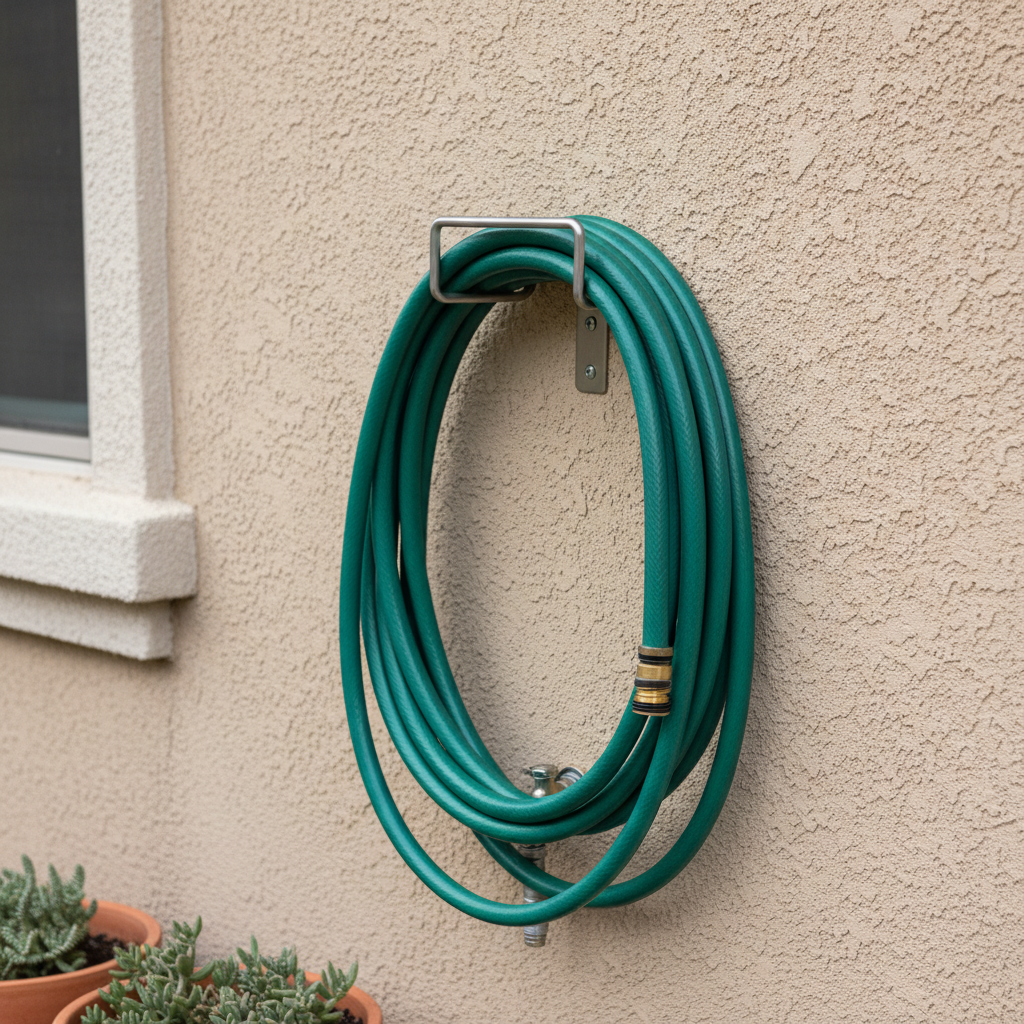
What a metal wall mount hose hanger actually solves
A wall-mounted hanger works because it gets the hose off the ground and gives the coil a predictable shape. The “metal” part matters when the hose is heavy, wet, or used often, plastic can flex and slowly deform.
- Fewer kinks and twists, a large, consistent loop radius is easier on the hose lining.
- Cleaner walkway and patio edges, less tripping and fewer scuff marks on siding.
- Faster put-away, because you’re not fighting a collapsing pile.
- Better winter readiness, a dedicated hanger nudges you to drain and store correctly.
According to EPA (United States Environmental Protection Agency)... outdoor water use often increases in warmer months, so anything that reduces “setup friction” tends to help people water more intentionally and waste less. The hanger itself won’t save water, but it removes the hassle that makes people rush.
Choosing the right hanger: capacity, shape, and finish
Most buying mistakes come from guessing hose weight and ignoring the wall surface. A hanger that’s fine for a light 25 ft hose can feel sketchy with a 100 ft hose full of water.
Size and load: match it to your hose reality
- Hose length: 25–50 ft typically fits most medium hangers, 75–100 ft usually needs a wider cradle.
- Hose type: rubber hoses weigh more than many vinyl hoses, and “contractor grade” styles can be heavy even at 50 ft.
- Wet storage happens: even if you try to drain it, a hose often goes back up with water inside, plan for that weight.
Cradle shape: the detail that prevents kinks
Look for a wider, gently curved cradle rather than a narrow hook. A tight bend creates memory in the hose, then you spend the next week fighting that bend at the spigot.
- Wide U-shaped or saddle-style hangers usually treat hoses better.
- Rounded edges beat sharp corners, especially for softer hose jackets.
Finish and corrosion resistance
“Metal” covers a range. For most U.S. climates, powder-coated steel or stainless steel tends to hold up well, but coastal areas and heavy fertilizer exposure can be harsher.
- Powder-coated steel: common, affordable, good general durability if the coating is consistent.
- Stainless steel: often pricier, strong corrosion resistance, especially helpful near salt air.
- Galvanized steel: can work well, but check edges and drilled holes where coating may be thinner.
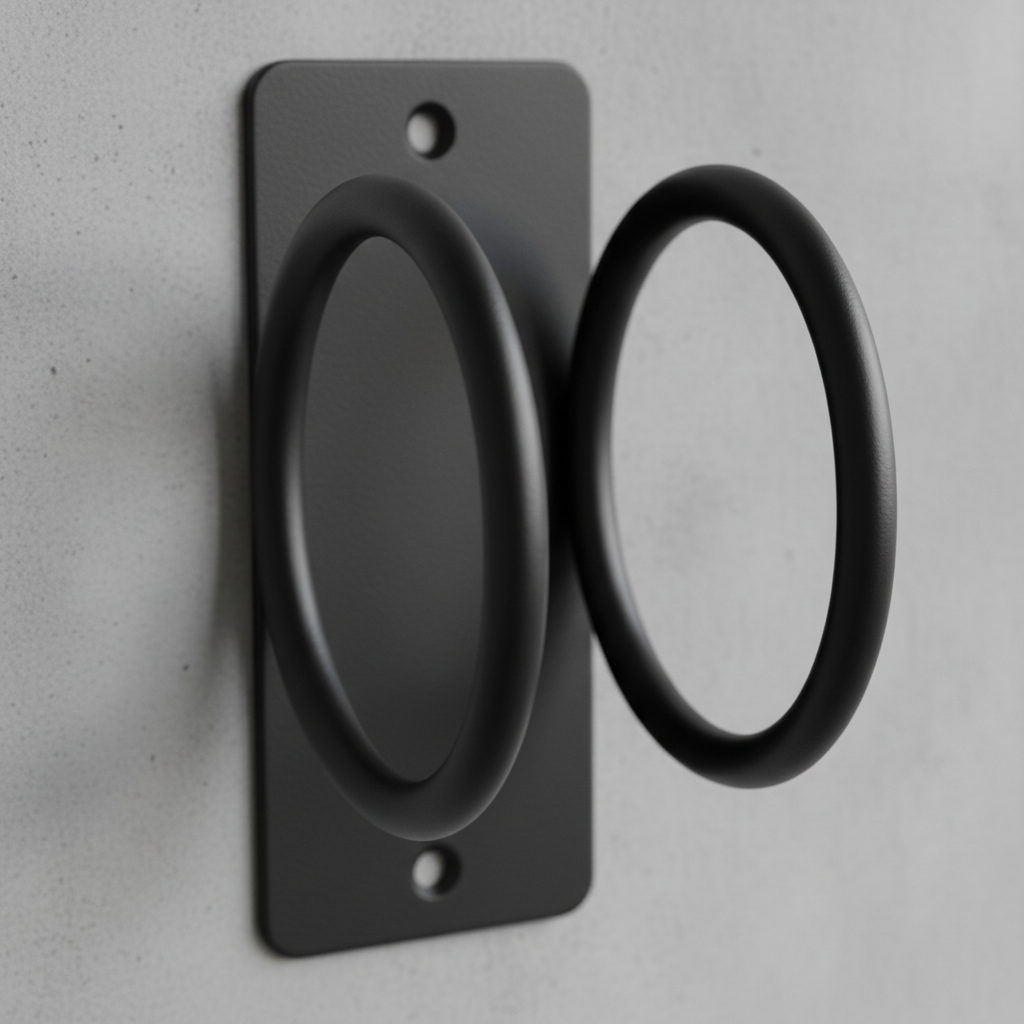
Quick comparison table: what to pick for common scenarios
If you just want a fast decision, this table usually gets people 80% of the way there. The last 20% is your wall type and how picky you are about looks.
| Scenario | Recommended metal hanger type | Why it fits |
|---|---|---|
| 25–50 ft lightweight vinyl hose | Powder-coated steel, medium cradle | Plenty of support without overbuilding |
| 50–100 ft rubber or heavy-duty hose | Wide cradle + reinforced backplate | Better weight distribution, less wall stress |
| Coastal / high humidity / salt exposure | Stainless steel or high-quality coated steel | Reduces corrosion and staining risk |
| Mounting to brick or masonry | Any sturdy hanger + masonry anchors | Anchors matter more than hanger shape |
| Clean “front-yard” visibility | Matte black or neutral powder coat, rounded form | Looks intentional, hides dirt and wear |
Self-check: do you need a heavier-duty wall mount?
When people say their hose hanger “doesn’t work,” it’s often because the mount point is weak, or the hanger is undersized. Run through this quick list.
- Your hose is 75–100 ft, or thick rubber, or both.
- You store the hose wet more often than you want to admit.
- The hanger location sees wind, kids tugging, or tight turns around a corner.
- You’re mounting to siding without hitting studs or using the right anchors.
- You want to hang additional items (nozzle, wand, sprayer) on the same hardware.
If you checked two or more, treat hose hanger wall mount metal selection like a small hardware project, not a décor purchase.
Installation that holds up: studs, anchors, and placement
Good installation is less about power tools and more about using the right fastener for the wall. If you’re unsure about what’s behind your exterior surface, it can be worth asking a handyman, especially on older homes or insulated siding systems.
Pick the right spot
- Height: typically waist to chest height, so you’re not lifting the full coil from the ground each time.
- Clearance: give the hose room to coil without scraping a corner trim or downspout.
- Near the spigot: close reduces dragging, but don’t block valve access.
Fasteners by surface (practical guidance)
- Wood studs: screws into studs tend to be the most secure approach.
- Brick or concrete: masonry screws or sleeve anchors, drilled to the correct diameter and depth.
- Vinyl siding: ideally mount into framing behind siding; if not possible, use an appropriate mounting block system and rated anchors. This is where many installs fail.
- Stucco: often needs specialty anchors; avoid cracking by drilling carefully and not overtightening.
According to OSHA (Occupational Safety and Health Administration)... using the right tools and personal protective equipment matters when drilling or using impact drivers. Eye protection is a simple one, and in some situations a dust mask can be sensible. If you’re drilling masonry and you’re not confident, consider professional help.
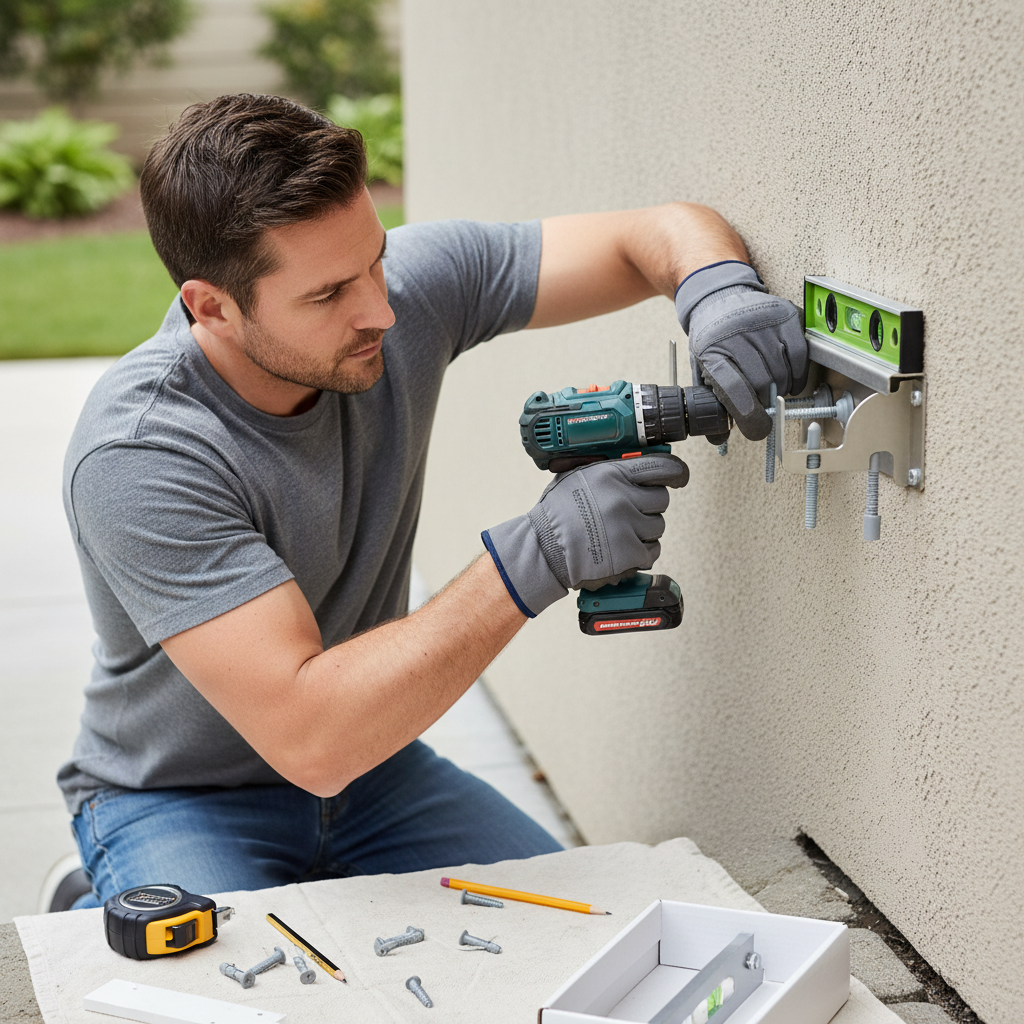
Real-world usage tips: keep it tidy and extend hose life
A hanger helps, but a few habits make the setup feel “done” instead of “better than before.”
- Drain before hanging: shut off water, open the nozzle, walk the hose back toward the spigot to push water out.
- Coil in consistent loops: big loops reduce kinks; avoid tight figure-eights unless your hose manual recommends it.
- Don’t yank from the middle: pull from the outer loop so the coil unwinds smoothly.
- Add a small nozzle hook: keeping the spray nozzle off the ground reduces grit in the connector.
If your winters freeze, it’s usually safer to disconnect and drain hoses before hard freezes, then store in a sheltered spot. Local climate and hose type change the best approach, so check your hose manufacturer guidance if you’re unsure.
Mistakes to avoid (the stuff that causes wobble, rust, and frustration)
- Mounting only into siding: it may hold briefly, then wallow out and sag.
- Undersizing the cradle: the hose looks “hung” but develops tight bends that kink later.
- Ignoring finish damage: chips in coating can invite rust; touch-up paint often helps.
- Overtightening fasteners: can strip holes in wood or crack brittle surfaces.
- Placing it where runoff hits: constant roof drip lines can accelerate corrosion and staining.
One more subtle point, if you’re trying to hang a soaked, heavy coil every time, you’re more likely to tear at the mount. A quick drain habit matters as much as the hardware.
When to call a pro (and when it’s overkill)
Most installs are DIY-friendly, but there are times it’s smarter to bring in help, especially if you’re trying to avoid wall damage.
- You need to drill brick, stone, or stucco and you’re not sure about the right anchor system.
- The install point sits near wiring, exterior lighting, or plumbing, and you don’t know what’s behind the surface.
- Your hanger will support a very heavy hose or you plan to mount multiple items in one spot.
On the flip side, if you can hit studs on a wood-framed wall and your hose is average weight, a solid hose hanger wall mount metal option and good screws are usually enough.
Key takeaways and a simple next step
Pick a hanger that matches your hose length and weight, then treat installation as the main project, not the afterthought. Wide cradles prevent kink memory, good fasteners prevent wobble, and a decent finish prevents ugly rust streaks.
If you want an easy next step, measure your hose length, check what wall surface you’ll mount to, then choose the hanger style that fits those two facts before you shop. That one minute of thinking saves a lot of re-drilling later.
FAQ
What size metal wall mount hose hanger do I need for a 100 ft hose?
Many 100 ft hoses need a wider cradle and a stronger backplate, especially if the hose is rubber. If the product listing doesn’t clearly indicate capacity or shows a narrow hook shape, it may feel overloaded in daily use.
Is stainless steel always better than powder-coated steel?
Not always. Stainless resists corrosion well, but a high-quality powder coat can perform nicely in many inland climates. If you’re near the coast or the hanger stays wet often, stainless can be a safer bet.
Can I mount a hose hanger on vinyl siding?
It’s possible, but many failures happen here. Usually you want to mount into framing behind the siding or use a proper mounting block setup designed for exterior fixtures. If you’re unsure what’s behind the siding, a handyman can help avoid crushed panels or loose anchors.
Will a metal wall-mounted hanger damage my hose?
It can if the cradle is narrow or has sharp edges. A rounded, wide support tends to be gentler, and coiling in larger loops helps prevent kinks.
How high should I install a wall-mounted hose hanger?
Many people prefer waist to chest height, because it’s comfortable and keeps the coil off the ground. If kids use the hose, slightly lower can be practical, as long as the coil still clears the surface below.
Should I buy a hose reel instead of a hanger?
If you want the cleanest look and easiest rewind, a reel can be worth it, but it costs more and has more moving parts. A hanger is simpler and reliable, and for many yards it’s plenty.
What anchors should I use for brick or concrete?
Masonry screws or expansion-style anchors are common choices, but the right pick depends on the hanger holes, the load, and the condition of the masonry. Follow the fastener manufacturer instructions, and consider professional help if the surface is crumbly or cracked.
How do I prevent rust stains on my wall?
Choose a corrosion-resistant finish, avoid mounting under constant drip lines, and touch up any chips quickly. If staining keeps happening, switching to stainless or adding a small spacer can reduce wall contact and moisture trapping.
If you’re trying to tidy up a side yard fast, or you’re replacing a flimsy plastic hook, a well-chosen metal hanger plus the right anchors is the “set it and forget it” path most homeowners actually want, and if you’d like, share your wall type and hose length and I can help narrow the spec.