
Gas pliers adjustable groove are one of those tools you don’t think about until a fitting won’t budge, the jaws keep slipping, or you round off something you really didn’t want to damage. If you do any plumbing work, even just light repairs at home, a solid pair can save time and keep your knuckles intact.
What makes adjustable groove “gas pliers” different is simple: you get fast jaw adjustment plus a bite that’s meant to hold round pipe, fittings, and stubborn connections. The catch is, not all pairs behave the same, and a bad match can turn into stripped threads, chewed-up chrome, or a leak that shows up later.
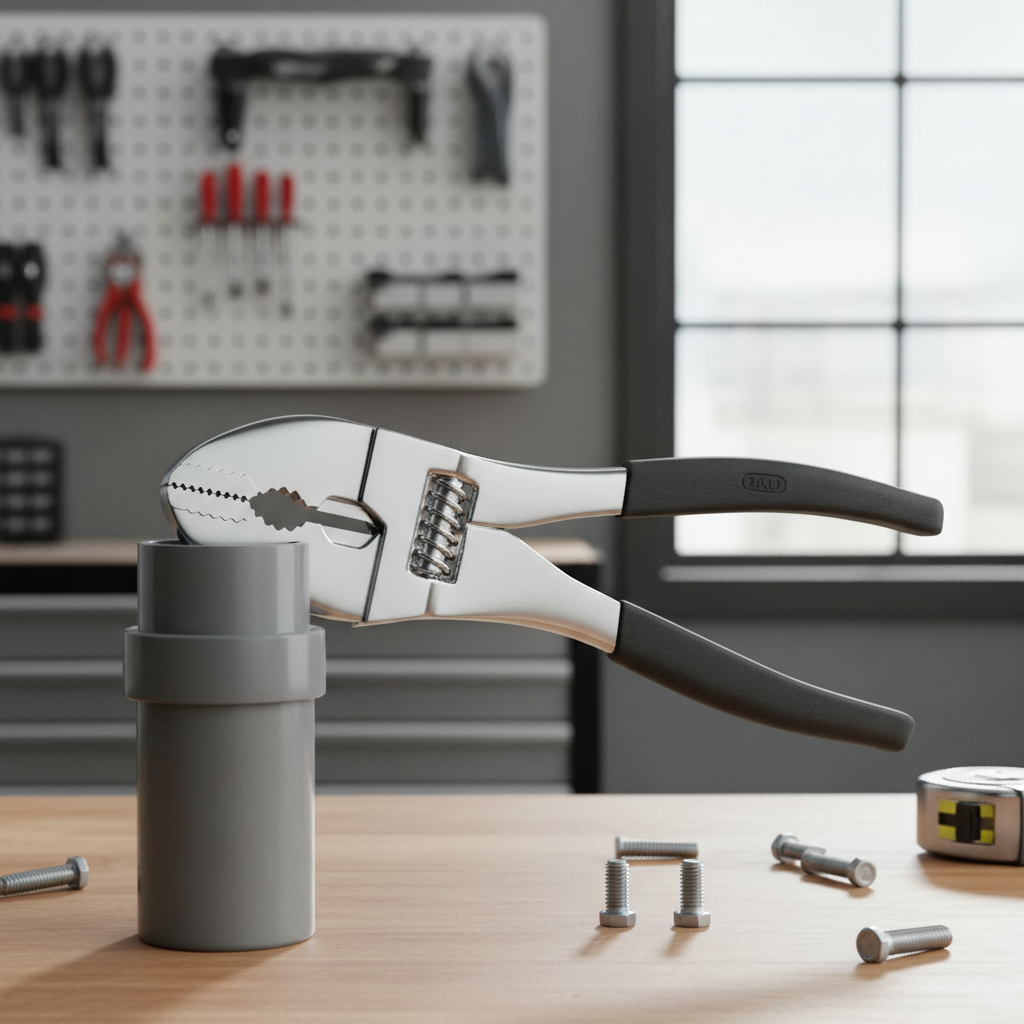
This guide breaks down what to look for, how to tell if you’re using the right size and jaw style, and a few practical habits that reduce slipping without “gorilla-gripping” everything.
Why adjustable groove gas pliers matter in plumbing (real-world reasons)
In plumbing, you rarely get perfect access or clean, new surfaces. These pliers earn their keep in a few common situations.
- Odd sizes and mixed materials: copper, galvanized, brass, PEX fittings, and coated supply lines don’t all grab the same way.
- Short swings: under-sink shutoffs and tight cabinets demand a tool that adjusts quickly without removing it from the work.
- Corrosion and sealant: old joints plus mineral buildup can require controlled force, not sudden slips.
- Emergency work: when a leak starts, you want predictable grip fast, not trial-and-error adjustment.
Also worth saying out loud: these pliers are great for holding and turning, but they’re not automatically “safe” for every shiny fixture. The serrated jaw can mar finishes, so the right approach depends on what you’re touching.
Quick self-check: are you using the wrong pliers or the wrong technique?
If any of these sound familiar, your tool choice or setup likely needs a tweak.
- The jaws walk off the pipe when you apply torque.
- You need two hands just to keep the adjustment from shifting.
- You leave visible tooth marks on fittings that should stay clean.
- The pliers feel “maxed out” on jaw opening, and you’re gripping near the tips.
- You keep re-positioning because the handles hit the cabinet or wall.
A small but important clue: if you often grip with the jaws barely engaged, the issue is usually size selection, not strength. A better-sized adjustable groove pair tends to feel calmer, almost boring, in use.
Key features to compare before you buy
Most people shop by length, but plumbing success is usually about jaw geometry, adjustment stability, and comfort under load.
Jaw capacity and groove positions
More groove positions typically means you can match the diameter more precisely, which helps reduce slipping. You want the jaws to sit deep, not perched on the outer edges.
Steel, teeth, and corrosion resistance
Look for durable steel and clean, consistent serrations. In wet environments, corrosion resistance matters because rust in the pivot can make adjustment feel gritty and unpredictable.
Handle shape and grip
Comfort isn’t just “nice to have.” If the handles pinch or twist in your hand, you’ll compensate by squeezing harder, and that increases the chance of marring or slipping.
Adjustment mechanism stability
Some adjustable groove designs hold position more confidently under torque. If the moving jaw has noticeable play when loaded, you’ll feel it as a small “click” before it bites, that’s usually when things get ugly.
Choosing the right size for common plumbing tasks (table)
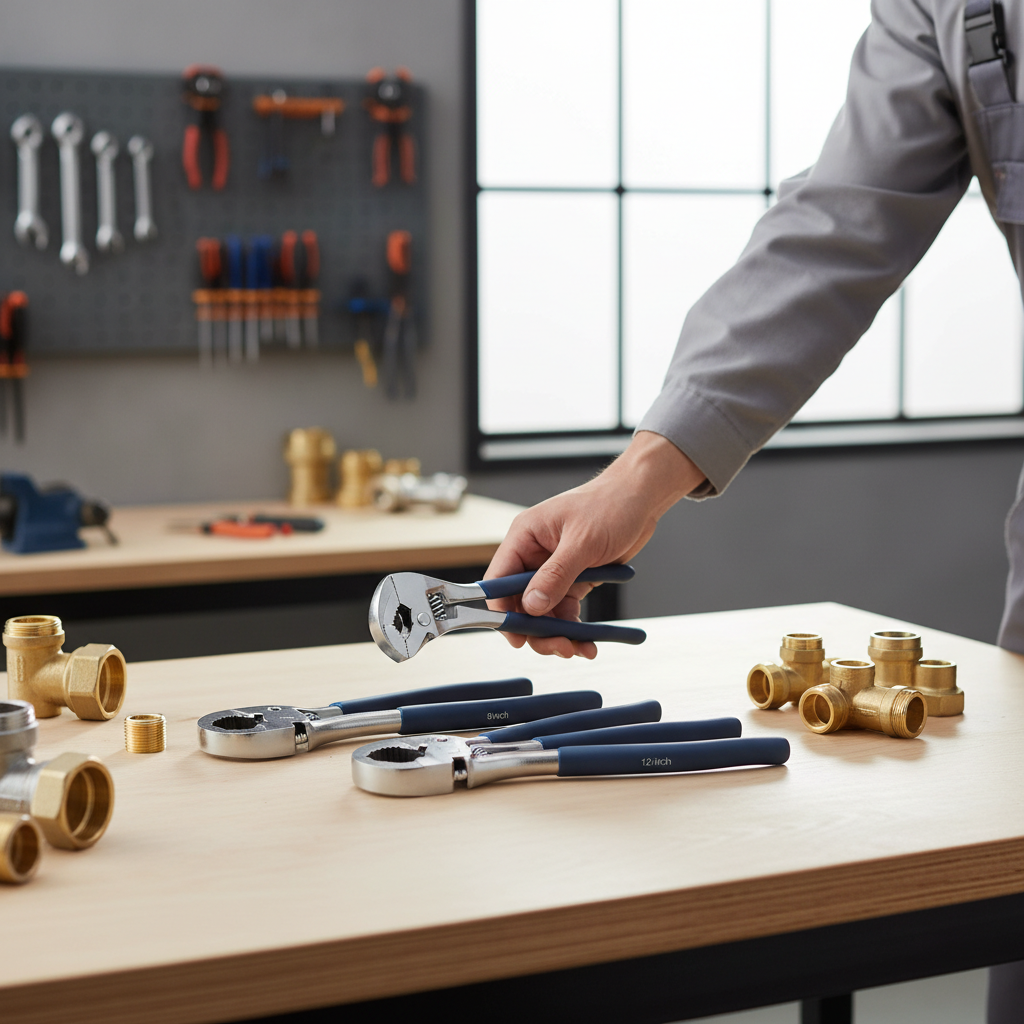
Below is a practical sizing guide. This isn’t a strict rule, but it’s a solid starting point for most U.S. home plumbing setups.
| Common task | Typical tool length | What to prioritize |
|---|---|---|
| Under-sink traps, supply lines, small shutoff valves | 6–10 in | Compact head, easy adjustment, comfort in tight spaces |
| Shower arm, tub spout work, general fittings | 10–12 in | Balanced leverage, stable grooves, good jaw bite |
| Water heater connections, larger threaded joints | 12–16 in | Leverage and jaw capacity, controlled torque |
| Outdoor spigots, stubborn galvanized pipe | 12–18 in | Strong bite, long handles, pair with a second holding tool |
If you’re building a small but useful kit, many homeowners do well with one mid-size pair plus a smaller pair for cramped work. For tougher pipe, having two matching pairs often matters more than having one huge pair.
How to use adjustable groove pliers without slipping (step-by-step)
Gas pliers adjustable groove work best when you let the jaw geometry do the work, instead of relying on squeeze strength.
1) Set the jaw so it “wraps” the round surface
Adjust so the lower jaw sits deeper on the pipe or fitting, and the upper jaw engages with full tooth contact. If you’re only grabbing with the front third of the teeth, re-size.
2) Pull when you can, push when you must
Pulling tends to keep your wrist aligned and reduces sudden slip risk. In tight spots you’ll sometimes push, but then you should dial back torque and re-seat more often.
3) Use two tools for threaded joints
One tool holds the “back side,” the other turns the nut or fitting. This prevents twisting pipes behind the wall or under the floor. According to OSHA, using the right tool and maintaining control reduces injury risk on manual tasks, especially where slip hazards exist.
4) Protect finishes the smart way
If you’re touching chrome or polished brass, consider a barrier like a thick cloth, rubber jar-opener sheet, or purpose-made jaw covers. It won’t make serrations harmless, but it often reduces cosmetic damage.
Mistakes that cause damage (and what to do instead)
- Over-opening the jaws: when the jaw angle gets awkward, it bites poorly. Use a larger pair or different tool rather than forcing it.
- Using pliers as a wrench on soft fittings: brass and thin-walled parts can deform. For hex flats, a properly sized wrench is often cleaner.
- Twisting without a backup hold: this can stress solder joints or hidden connections. If something feels “springy,” stop and add a second holding tool.
- Cranking harder when it slips: slipping is usually a setup problem, not a strength problem. Reset the jaw, change angle, or switch tools.
One more practical tip: wipe moisture and grime off the bite point before you commit torque. On older work, a quick clean can make the difference between a controlled turn and a sudden jump.
When to stop DIY and call a pro
There’s a point where better pliers won’t solve the real risk. Consider professional help if you see any of the following.
- You suspect a gas line connection issue, or you smell gas. Leave the area and contact your gas utility or a licensed plumber.
- A fitting turns, but the pipe behind it also twists, suggesting hidden stress.
- You’re working on older shutoff valves that feel brittle, cracking a valve body can escalate fast.
- Water damage risk is high, and you can’t confidently shut off water at the main.
According to the American Gas Association, gas-related concerns should be handled with caution and qualified service when appropriate. If there’s any doubt, err on the safer side and ask a licensed professional.
Key takeaways (keep this handy)
- Fit beats force: correct jaw setting reduces slipping more than squeezing harder.
- For plumbing, a mid-size pair plus a compact pair covers most home tasks.
- Use two tools on threaded joints to avoid twisting hidden pipe runs.
- Protect finishes with a barrier, or switch to a tool designed for finished surfaces.
Conclusion: a small upgrade that makes plumbing work calmer
Gas pliers adjustable groove aren’t fancy, but the right pair changes the feel of plumbing repairs, less slipping, fewer damaged fittings, more control in tight spaces. If your current pliers chatter, shift grooves under load, or constantly leave marks, that’s usually your signal to adjust your approach or step up to a better design.
If you do one thing this week, check the sizes you actually touch most at home, then pick a pair that fits those diameters with the jaws sitting deep. It’s a boring decision that pays back every time something fights you.
FAQ
What are adjustable groove gas pliers used for in plumbing?
They’re commonly used to grip and turn round parts like pipe, couplings, and certain valve bodies where a standard wrench can’t get a good bite. They’re also handy as a holding tool while another wrench turns the fastener.
Do adjustable groove pliers damage chrome plumbing fixtures?
They can. Serrated jaws may leave tooth marks, especially on chrome and softer metals. If appearance matters, use a protective barrier or choose a tool meant for finished surfaces.
What size adjustable groove pliers should I buy for home plumbing?
Many homeowners start with a 10–12 inch pair for general work, then add a smaller size for tight cabinets. If you regularly deal with bigger threaded joints, a longer pair can help, but it’s not always the first purchase.
Why do my groove pliers keep slipping on pipes?
Usually it’s jaw position, wrong size, or poor contact angle. Re-seat the jaws so the teeth engage fully, clean the surface, and avoid gripping near the tips where leverage works against you.
Are “gas pliers” the same as tongue-and-groove pliers?
In many listings, yes, the term is often used interchangeably, though naming varies by brand and region. Focus less on the name and more on jaw capacity, groove stability, and build quality.
Can I use adjustable groove pliers on gas pipe fittings?
You might see people do it, but gas piping work has higher safety stakes. If you’re not trained, it’s better to consult a licensed professional, especially if you smell gas or suspect a leak.
What’s the best way to avoid twisting a pipe inside the wall?
Use two tools: one to hold the stationary side, one to turn the connection. If the “stationary” side still moves, stop and reassess because something hidden may be taking stress.
If you’re trying to pick a pair that won’t slip on common plumbing sizes, or you want a more convenient setup for tight under-sink work, it can help to narrow choices by jaw capacity and groove stability first, then worry about brand and extras after that.