
pipe wrench adjustable heavy is usually what people type when their current wrench keeps slipping, rounds a fitting, or just feels underpowered on old galvanized pipe.
If you do any real plumbing work, that frustration matters, because a pipe wrench that bites correctly can mean the difference between a clean repair and a weekend of chasing leaks, cracked fittings, or chewed-up threads.
This guide breaks down what makes a heavy-duty adjustable pipe wrench “heavy duty,” how to pick the right size, what jaw designs actually help, and how to use it without damaging pipe or your hands.
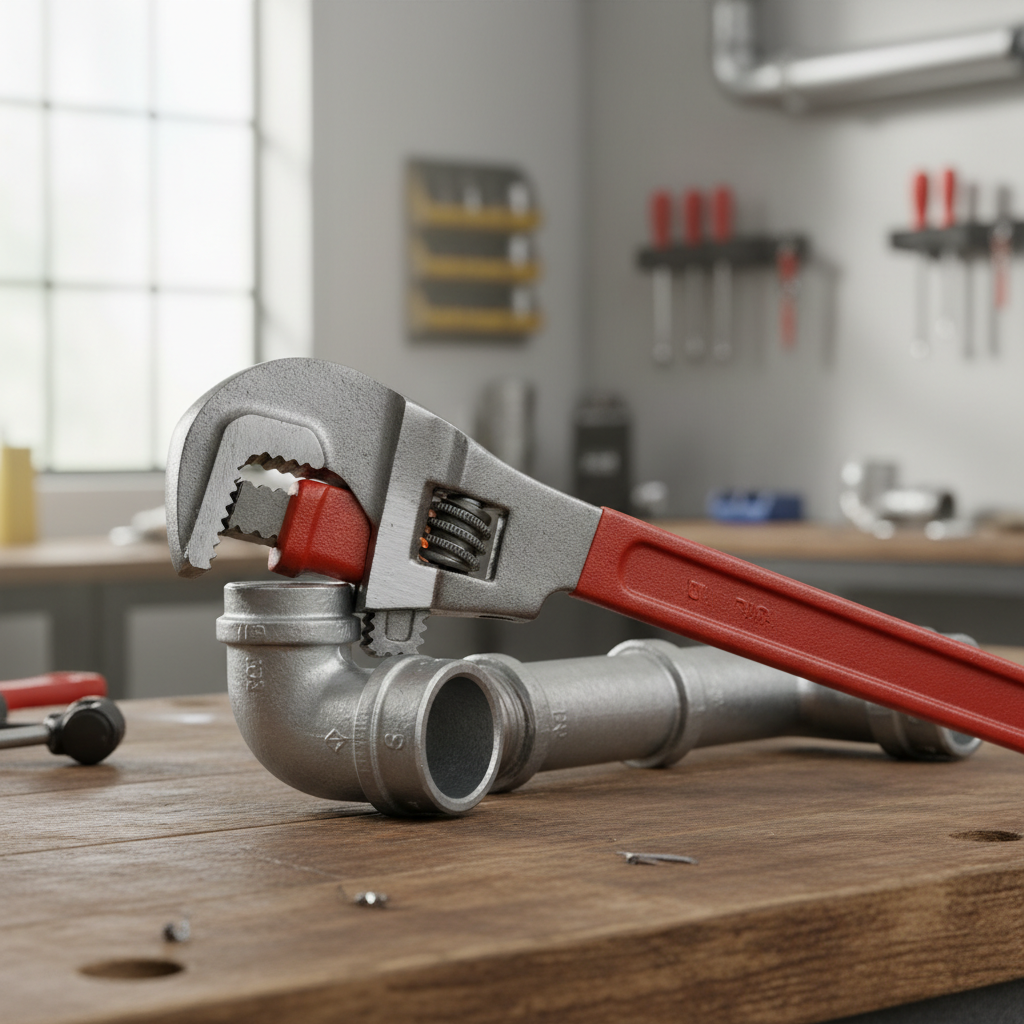
What “Heavy-Duty Adjustable” Really Means (and what it doesn’t)
In the real world, “heavy duty” isn’t a magic label, it’s a mix of materials, jaw geometry, and how well the adjustment holds under load. A tool can be big but still spread at the jaw, and that’s when slipping starts.
- Stronger handle and frame: Typically forged or reinforced, built to take higher torque without flexing.
- More aggressive jaw teeth: Deeper, sharper serrations tend to bite better on rusty pipe, but can mark softer materials.
- Stable adjustment mechanism: A quality knurl or nut that doesn’t back off when you lean into it.
- Replaceable jaw parts (on some models): Useful if you work daily and wear teeth down.
What it doesn’t mean: it won’t automatically prevent damage. A heavy wrench applied wrong can snap brittle fittings faster than a light one.
Common reasons your pipe wrench slips or damages fittings
Most “my wrench is junk” moments come from a mismatch between wrench type, pipe material, and how the load gets applied. Saying it plainly, a pipe wrench is a gripping tool, not a universal solution for every shiny plumbing part.
Typical slip causes
- Wrong size wrench: Too small means limited jaw engagement; too large can feel clumsy and misalign the bite.
- Worn teeth: Rounded serrations lose their bite, especially on painted or corroded pipe.
- Incorrect direction: Pipe wrenches are designed to cam into the pipe as you pull; pushing often reduces bite.
- Chrome-plated or decorative parts: Wrench teeth are meant to dig in, which can destroy finishes.
- Over-torquing old fittings: Corrosion can “weld” threads; more force sometimes breaks the fitting instead of loosening it.
According to OSHA, hand tool safety includes selecting the right tool for the job and keeping tools in good condition, because damaged tools increase injury risk and jobsite incidents.
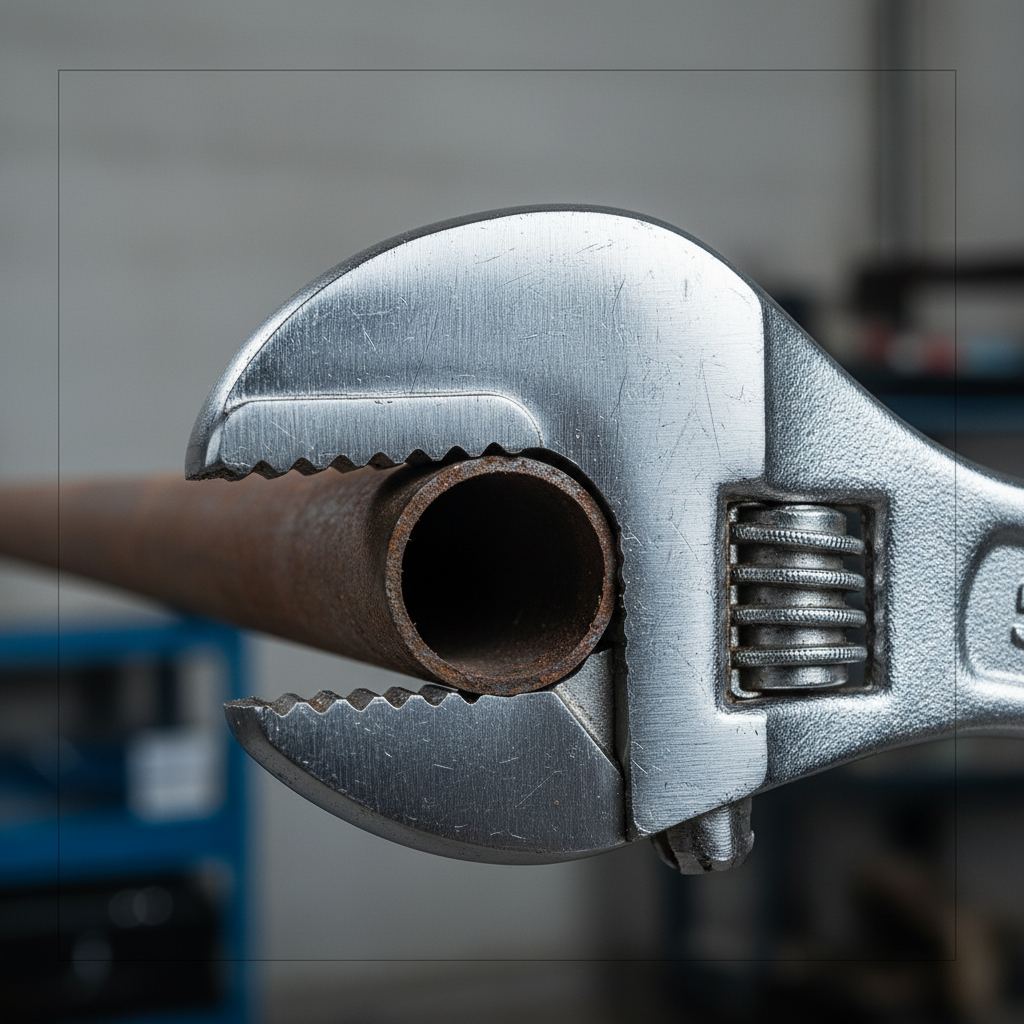
Quick self-check: do you need a heavy-duty adjustable pipe wrench?
Not everyone needs the biggest wrench on the shelf. If you mostly swap supply lines under a sink, a heavy-duty model might feel like overkill. If you fight older pipe, it starts paying for itself quickly.
- You regularly work on galvanized steel, black pipe, or older threaded joints
- You see rust, paint, or mineral buildup where the jaws must bite
- Your current wrench walks off the pipe when you apply torque
- You need extra leverage but want less flex in the handle
- You’ve already rounded a fitting and you don’t want a repeat
If two or more feel familiar, a pipe wrench adjustable heavy setup is usually a better match than trying to muscle through with a light-duty tool.
How to choose the right size and jaw style
Choosing a pipe wrench comes down to two numbers you can feel: jaw capacity and handle length. Longer handles deliver more torque, but also make it easier to overdo it on delicate parts.
Size guidance (practical, not perfect)
| Wrench Length | Typical Use | Good Fit For |
|---|---|---|
| 10–12 in | Tight spaces, light plumbing | 1/2 in to ~1 in pipe (varies by model) |
| 14–18 in | General service work | Up to ~2 in pipe (varies by model) |
| 24 in | Stubborn joints, older systems | 2 in+ pipe, higher torque situations |
Capacities vary, so check the manufacturer spec, but this table keeps expectations realistic.
Jaw styles you’ll actually encounter
- Straight pipe wrench: The default, great for most pipe runs.
- Offset pipe wrench: Helps when your knuckles keep hitting walls or the floor.
- End/compound wrench: Useful for close-quarter work, but sometimes less comfortable under big load.
If you do plumbing in tight cabinets, pairing one heavy-duty straight wrench with a smaller offset wrench often beats buying one oversized tool and hoping for the best.
How to use a heavy-duty adjustable pipe wrench without chewing up the job
pipe wrench adjustable heavy power is only helpful when the bite is set correctly. The goal is full tooth engagement on the pipe, with the wrench pulling in the direction that increases grip.
Step-by-step technique
- Set the jaw snug: Adjust until the teeth contact firmly, not loosely. You want minimal play.
- Position on the pipe correctly: Keep the pipe centered in the jaw, not near the tips only.
- Pull, don’t push: Pulling typically cams the upper jaw into the pipe for better bite.
- Use two-wrench method when needed: One wrench holds the backing fitting steady, the other turns the nut or mating part.
- Increase force gradually: Sudden jerks can crack brittle fittings or throw your hand into a sharp edge.
According to the American Society of Safety Professionals (ASSP), good hand-tool practices include controlled force and stable footing to reduce strain and avoid sudden loss of control.
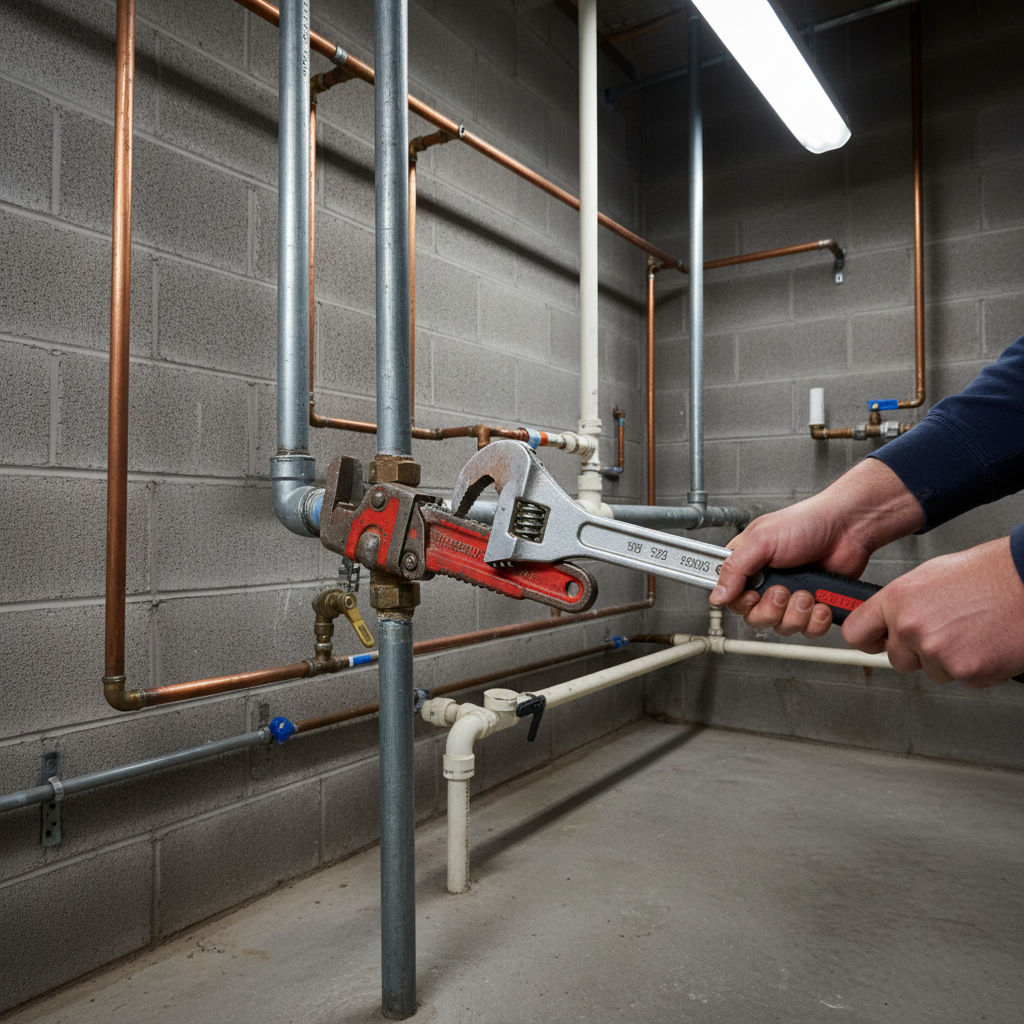
Practical troubleshooting for stuck plumbing joints
When a joint won’t budge, it’s tempting to jump straight to a longer handle. Sometimes that works, but sometimes you’re just increasing the odds of snapping something inside the wall.
Try this progression
- Re-seat the jaws: Many slips come from a slightly skewed bite.
- Clean the contact area: Knock off loose rust/paint so teeth can dig in consistently.
- Use penetrating oil and patience: Often helps on corroded threads, though results vary by condition.
- Add a second wrench for counter-hold: Reduces stress on connected pipe runs.
- Escalate with heat only if appropriate: Heat can help, but it also introduces fire risk and can damage nearby materials; if you’re unsure, consult a licensed plumber.
Key point: if the fitting starts deforming, stop and rethink. That’s usually the moment before a bigger repair begins.
Mistakes to avoid (these cost the most time)
Some errors don’t show up until reassembly, when you discover the threads are chewed or the pipe has an oval shape from crushing. Heavy-duty tools amplify both good and bad technique.
- Using a pipe wrench on chrome fixtures: Use a strap wrench or padded jaws if finish matters.
- Over-opening the jaw: Too much gap increases rocking and tooth damage.
- Gripping too close to the end of a fitting: More likely to round or crack thinner sections.
- Skipping PPE: Gloves and eye protection help, especially when corrosion flakes off.
- Cheater bars without thinking: Extra leverage can exceed what the pipe or fitting can handle.
According to CDC’s NIOSH, hand injuries are a common workplace issue, and basic protective gear and proper tool use can reduce risk in many shop and jobsite tasks.
When it’s worth calling a plumber (even if you own the wrench)
A pipe wrench adjustable heavy setup is a strong DIY ally, but there are moments when the downside risk spikes. If you’re working on gas lines, main shutoffs that won’t close fully, or fittings that appear brittle, bringing in a pro often costs less than repairing a mistake.
- You suspect gas piping or you smell gas: stop and contact a licensed professional right away
- The joint sits near finished walls where a break would cause major water damage
- The pipe flexes through multiple connections when you apply torque
- You see cracking, severe corrosion, or unknown materials
If you’re uncertain, a quick consult with a licensed plumber can clarify whether to proceed, especially for older homes with mixed piping materials.
Conclusion: choosing power you can control
Picking a heavy-duty adjustable pipe wrench makes sense when you need reliable bite and stable torque on real-world plumbing joints, not when you just want the biggest tool. Match the wrench size to the pipe, set the jaws carefully, and work with controlled force, you’ll get cleaner results and fewer damaged fittings.
If you want a simple next step, check your most common pipe size, then choose one primary wrench in that range and a smaller companion wrench for counter-hold, it’s a combo that solves a lot of headaches.
Key takeaways
- Heavy duty should mean stronger frame, better teeth, and a stable adjustment, not just extra length.
- Most slipping issues come from size mismatch, worn jaws, or applying force in the wrong direction.
- Use the two-wrench method to protect connected pipe and reduce collateral damage.
FAQ
What size heavy-duty adjustable pipe wrench should I buy for home plumbing?
For many homeowners, a 14–18 inch model covers a lot of threaded pipe tasks. If your home has older galvanized pipe, adding a 24 inch wrench can help, but use it cautiously to avoid breaking fittings.
Why does my adjustable pipe wrench keep slipping even when it’s tight?
Usually it’s worn teeth, a skewed bite, or you’re pushing instead of pulling. Also check that you’re biting on solid pipe, not a thin edge of a coupling.
Can I use a pipe wrench on PVC or PEX fittings?
It’s generally a bad idea. Pipe wrench teeth can crush plastic and create cracks that leak later. Use manufacturer-recommended tools, and if you’re unsure, ask a plumber or follow the fitting instructions.
Is a heavier wrench always better for stubborn plumbing connections?
Not always. More leverage raises the chance of snapping corroded fittings or twisting a pipe run inside a wall. Many situations improve more with better jaw engagement and a solid counter-hold than with pure force.
How do I know when the teeth are too worn to keep using the wrench?
If the jaws look rounded, the wrench slips under moderate load, or you see it polishing the pipe instead of biting, it’s likely time to replace the jaws (if possible) or replace the wrench.
What should I use instead of a pipe wrench to avoid scratching finished fixtures?
A strap wrench or padded jaw pliers are safer for chrome and decorative parts. If you must use a pipe wrench, adding protective material can help, but grip security may drop.
What does “pipe wrench adjustable heavy” mean when shopping online?
Usually it refers to an adjustable jaw pipe wrench built with a heavier frame and intended for higher-torque work. Still, specs and build quality vary, so check jaw capacity, handle length, and whether the jaw parts are serviceable.
If you’re trying to stop slip and rounded fittings for good, it can help to pick a heavy-duty adjustable pipe wrench that matches your most common pipe sizes, then pair it with a smaller holding wrench, that setup feels less dramatic but tends to work better on real plumbing jobs.