
rivet set assorted sizes sounds like a small accessory, but it usually decides whether your rivet gun feels smooth and consistent or frustrating and unreliable on real jobs.
If you have ever had a rivet spin, sit proud, or snap before it should, the cause is often simple, the nosepiece and rivet size do not match, or the set you have skips the one size you need most.
This guide breaks down what an assorted rivet set typically includes, how to choose the right tip for common rivet diameters, and how to avoid the mistakes that make even a good rivet gun feel “weak.” You will also get a quick selection checklist and a practical table you can keep nearby in the shop.
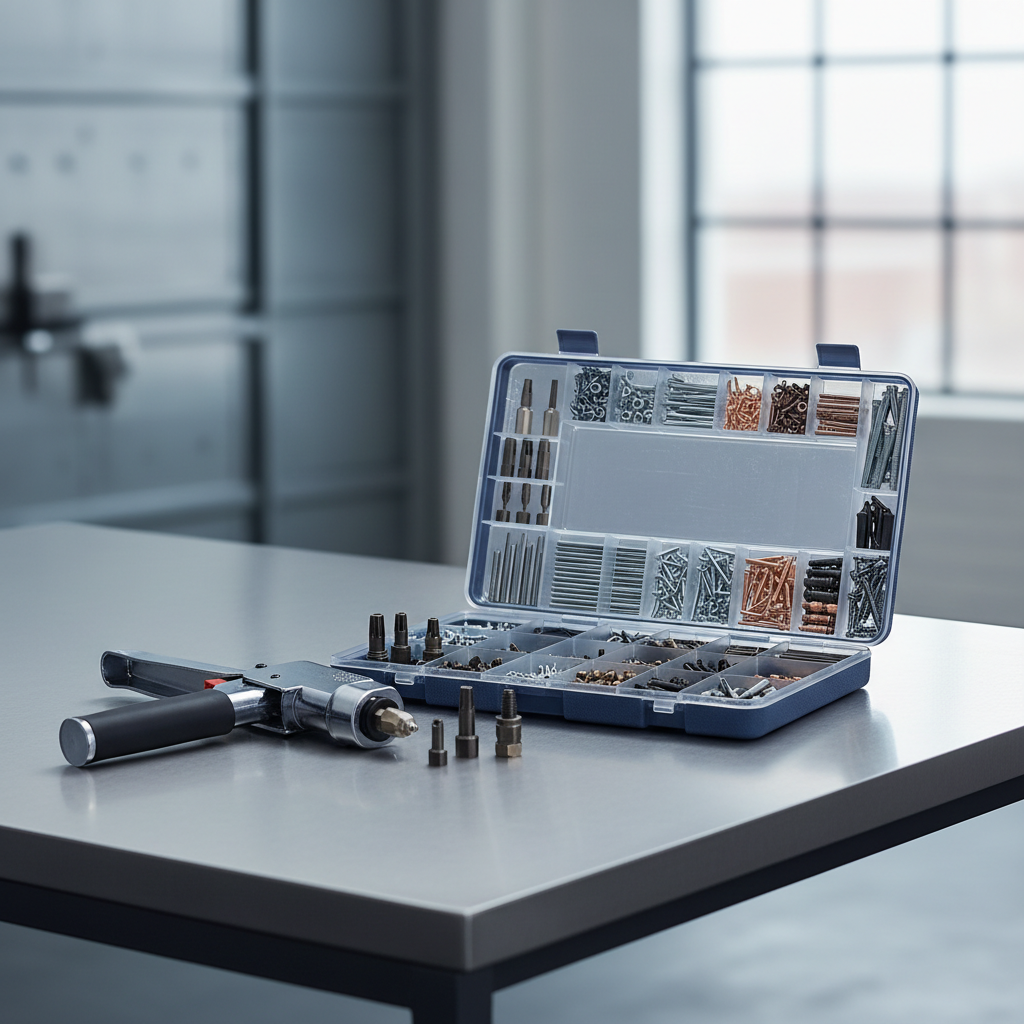
What “assorted sizes” really means for a rivet set
In most tool catalogs, an assorted set means a small kit of interchangeable nosepieces, sometimes paired with a matching selection of rivets. The important part is the nosepiece size range, because the nosepiece supports the rivet body while the tool pulls the mandrel.
Many sets cover a few common diameters used in sheet metal and light fabrication, for example 3/32 in, 1/8 in, 5/32 in, and 3/16 in. Some include metric sizes too, which helps if you work on imported equipment or mixed hardware bins.
What you want to confirm before buying is not only the list of sizes, but also compatibility, some sets fit only certain brands or only certain head styles of rivet guns.
- Nosepieces: the tips you swap on the rivet gun
- Wrenches: small spanners to tighten tips without chewing them up
- Rivets (optional): a starter assortment, helpful but not the main value
- Storage case: more important than it sounds, because “lost tips” is the #1 reason kits stop being useful
Why size-matching matters more than people think
Most problems blamed on “bad rivets” trace back to mismatch between rivet diameter, mandrel size, and the nosepiece opening. The tool can still pull, but the joint quality suffers.
Common real-world outcomes when the tip is off by even one size:
- Rivet spins in the hole, you cannot set it tight, and you end up drilling it out
- Proud head, the rivet sits high because it never seats square
- Mandrel breaks early, you get a weak clamp before the rivet body forms correctly
- Jaw wear increases, the rivet gun starts slipping more often and feels inconsistent
According to OSHA, hand and power tools should be used with the correct accessories and maintained in safe working condition, which in practice includes using the correct nosepiece and keeping parts from rounding or binding during use.
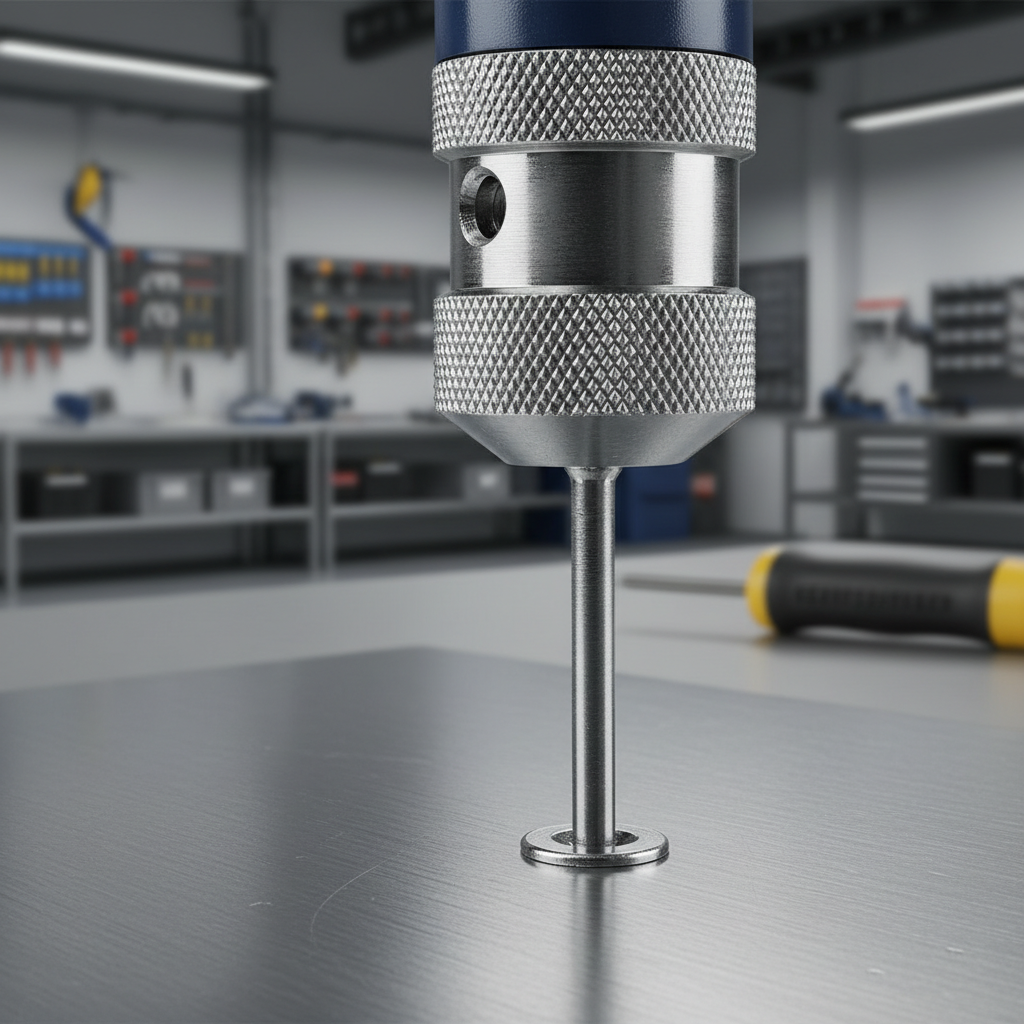
Quick self-check: do you need an assorted rivet set or just one extra tip?
Some people buy a kit and only ever use one nosepiece, others bounce between sizes every week. This quick check keeps the purchase practical.
- You work on mixed materials like guttering, HVAC sheet metal, auto trim, signs, or aluminum framing
- You frequently see two or more rivet diameters in the same project
- Your current rivet gun came with only one tip, or the original tips are missing
- You have had to drill out rivets because the tool slipped or set unevenly
- You support repairs, maintenance, or field work where hardware varies by site
If none of those sound like you, you might be fine buying the one nosepiece size you actually use, as long as you can source it reliably and it fits your tool.
Size guide table: common rivet diameters and what to verify
Manufacturers vary a bit in how they label tips, but the logic stays consistent. Use this as a quick sanity check, then confirm on your rivet gun manual or the kit listing.
| Rivet Diameter (Typical) | Common Use | Nosepiece Tip Label | What to Double-Check |
|---|---|---|---|
| 3/32 in | Light sheet metal, trim | 3/32 | Small mandrels can slip if jaws are worn |
| 1/8 in | General repair, brackets | 1/8 | Hole size and grip range match material stack |
| 5/32 in | Thicker sheet, light structure | 5/32 | Tool pull force, some compact guns struggle |
| 3/16 in | Heavier assemblies | 3/16 | Clearance around the head, larger nose needed |
| Metric (e.g., 3.2mm, 4.0mm) | Imported hardware | mm sizing | Do not “force” inch tips, fit can be close but wrong |
A rivet set assorted sizes is most useful when the kit clearly lists both inch and metric options, or at least the sizes you actually encounter.
How to use an assorted rivet set without wasting rivets
The fastest way to get consistent results is to treat tip selection like a tiny setup step, not an afterthought. It takes 30 seconds and saves a lot of rework.
Step-by-step setup
- Confirm rivet diameter from the box, bin label, or caliper if the rivets got mixed
- Swap the nosepiece to the matching size, then snug it, do not overtighten and strip threads
- Test-fit the rivet in the tip, it should seat cleanly without wobble
- Check the hole, if the hole is oversized, even a correct tip may still allow spinning
- Pull one test rivet on scrap when the job matters, especially with painted or coated materials
Practical tip that saves time
If you jump between sizes, keep the two most-used nosepieces outside the case in a small magnetic tray, and put the rest away. Most lost tips disappear mid-project, not during storage.
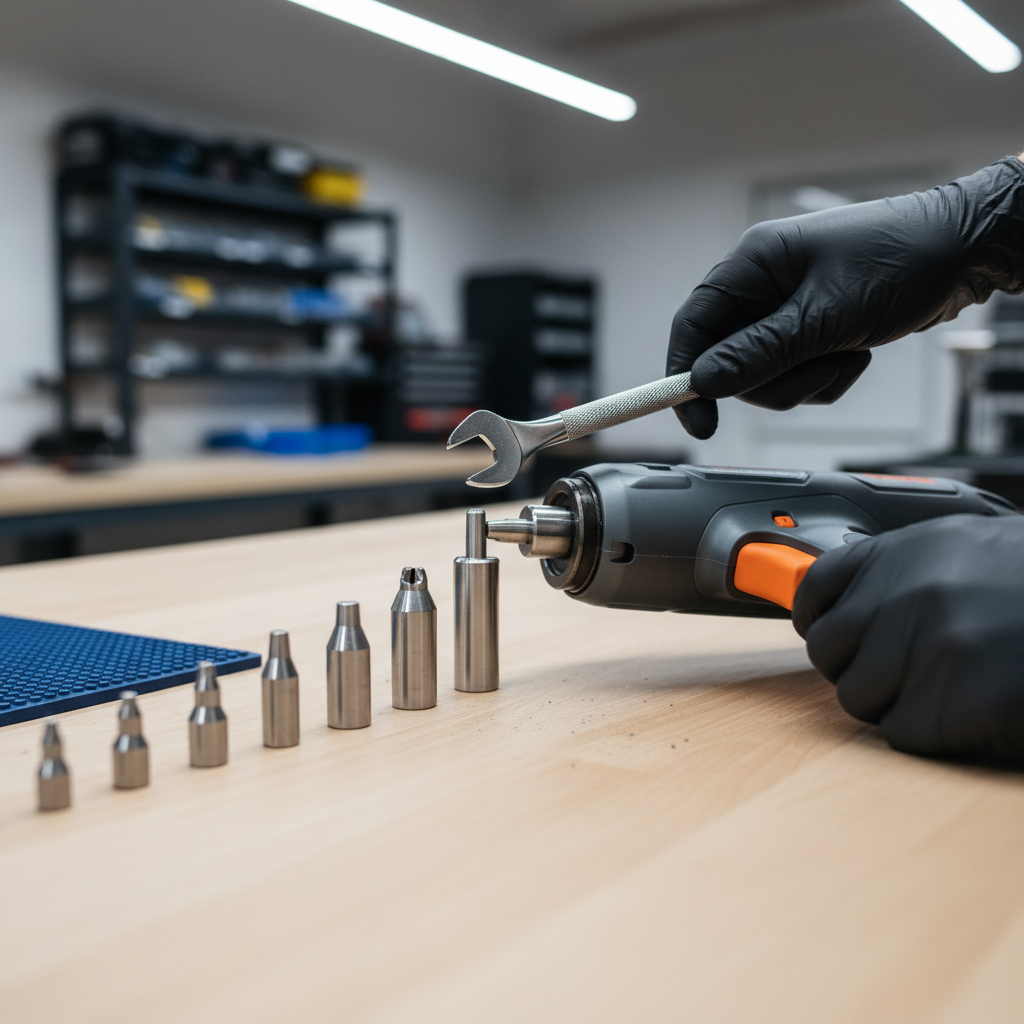
Common mistakes that make a good kit feel useless
People often blame the kit, but the issue tends to be either compatibility or expectations. A few patterns show up again and again.
- Assuming all tips are universal, many rivet guns use proprietary threads or lengths
- Ignoring rivet grip range, diameter can be correct while grip range is wrong for the material stack
- Mixing rivet types, structural rivets and standard blind rivets may need different tooling
- Overtightening nosepieces, this can gall threads, then tips seize and get damaged during removal
- Not maintaining jaws, if the jaws are worn or dirty, even perfect nosepieces will slip
If your rivet gun starts leaving mandrels stuck inside, clean the jaw area and check the collection bottle or spring mechanism if your model uses one. According to the National Institute for Occupational Safety and Health (NIOSH), proper tool maintenance and correct work practices reduce injury risk, which applies here because jams lead to awkward force and hand strain.
Choosing the right kit: what to look for before you buy
Shopping for a rivet set assorted sizes is easier when you ignore the marketing and check a few specifics that affect day-to-day use.
- Compatibility statement: your rivet gun brand and model, or thread size if listed
- Size coverage: at least the diameters you use weekly, not just “most common”
- Material quality: hardened steel tips resist rounding, softer tips can deform
- Readable markings: laser-etched sizes beat tiny stamped marks that wear off
- Case layout: clear slots reduce mix-ups, especially between close inch and metric sizes
If you already have a pile of rivets, prioritize the nosepieces and fit. Kits that include lots of rivets can look like a better deal, but the extra rivets may not match your usual head style or material, such as aluminum versus steel.
Key takeaways and a simple next step
If your rivet jobs feel inconsistent, the fix is often boring, match the tip to the rivet, confirm hole size, and keep the tool jaws clean. A well-chosen assorted kit saves time mainly because you stop improvising and start setting rivets the same way each time.
Action step: open your current rivet bins, list the two to four diameters you actually use, then choose a kit that covers those sizes with clear compatibility for your rivet gun. If you only use one diameter, buy that dedicated tip and keep a spare.
FAQ
What is included in a rivet set assorted sizes?
Usually it is a selection of rivet gun nosepieces in multiple diameters, sometimes with a small wrench and a starter pack of rivets. The nosepieces are the part that matters most for fit and consistency.
How do I know which nosepiece size to use?
Match the nosepiece label to the rivet diameter, for example a 1/8 in rivet uses a 1/8 in tip. If your rivets are unmarked or mixed, a simple caliper check avoids guesswork.
Can I use inch nosepieces on metric rivets?
Sometimes a close size might seem to work, but it often causes wobble, slipping, or uneven setting. If you regularly see metric hardware, a kit that includes metric tips is the safer choice.
Why does my rivet spin even with the right tip?
The most common reason is an oversized or distorted hole, especially in thin material. It can also happen if the rivet grip range is wrong for the material stack, so the rivet never clamps tightly.
Do assorted kits work with any rivet gun?
Not always. Many tools use specific threads or nosepiece lengths, so you want to verify compatibility with your model number. If a listing does not state fit clearly, it is worth checking the manufacturer documentation.
What sizes should a general-purpose kit cover for home and garage use?
For many light repair tasks, 3/32 in and 1/8 in handle a lot, with 5/32 in and 3/16 in useful when material gets thicker. Your real “general-purpose” set depends on what you fix most often.
When should I replace the nosepiece or the jaws?
If the tip shows rounding, burrs, or it will not hold the rivet straight, replace it. If the tool slips across multiple sizes and tips, jaw wear or dirt is a more likely culprit, and jaw kits are often the right next step.
If you are trying to standardize your setup for different rivet diameters, or you are tired of guessing which tip fits, an assorted kit can be a clean way to reduce rework, as long as it truly matches your rivet gun and the sizes you use.