
Siphon pump liquid transfer is one of the simplest ways to move fuel or water without lifting heavy containers, but the “simple” part only holds when the hose, pump type, and safety steps match your liquid and container setup.
If you have ever spilled gas on a driveway, fought with a rigid jerry can, or tried to drain a small tank with no drain plug, you already know why siphons stay popular in garages, boats, and job sites. They are compact, usually inexpensive, and they solve a very specific problem: controlled transfer.
This guide focuses on what actually matters in real use, choosing the right siphon style, avoiding the mistakes that cause backflow or leaks, and setting up a repeatable routine you can trust.
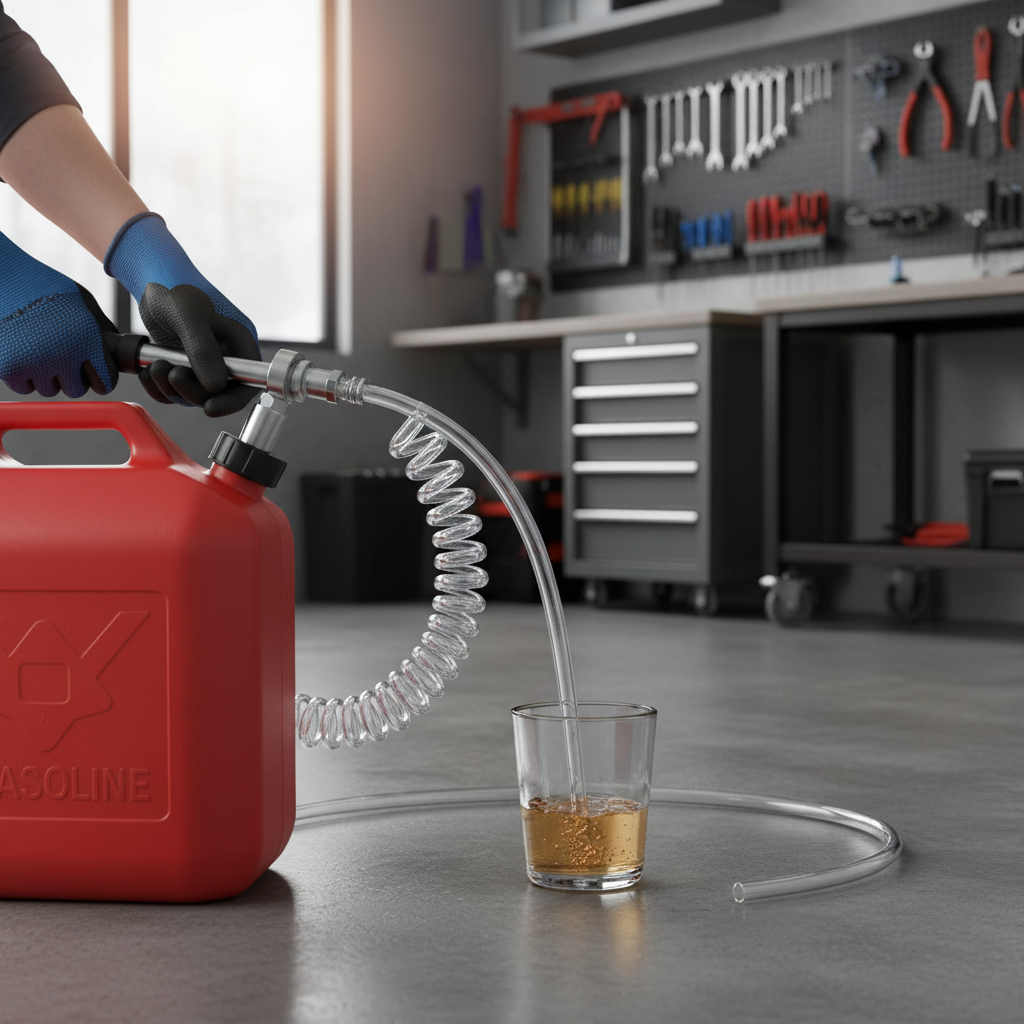
Why siphon pumps work (and when they don’t)
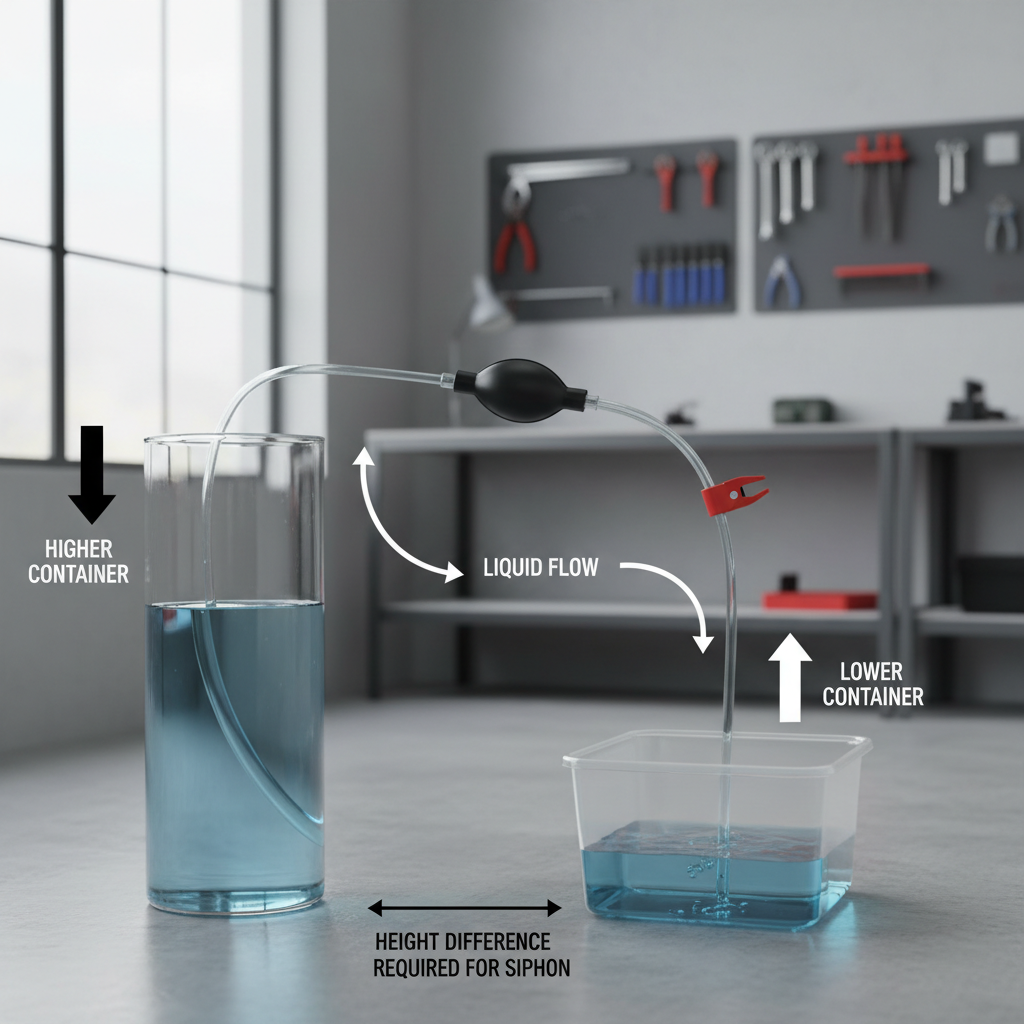
A siphon is basically gravity plus a sealed path. Once liquid fills the hose and the outlet sits lower than the source, gravity keeps pulling the column of liquid downhill.
What breaks the magic is usually one of these:
- No height difference: if the receiving container is not lower, flow slows or stops.
- Air leaks: loose fittings, cracked hoses, or a poor seal at the intake lets air in and kills suction.
- Wrong viscosity/temperature: very cold fuel or thicker liquids move slower, sometimes making small hand bulbs feel “weak.”
- Container geometry: baffled tanks, narrow filler necks, or screens can block the intake end.
In practice, siphons shine for steady, moderate flows over a short distance. If you need to push liquid uphill, across a long run, or through fine filters, you may want a powered transfer pump instead.
Common use cases: fuel vs water (the rules change)
Not all “liquid transfer” is the same. Water is forgiving; fuel is not. For gasoline, diesel, kerosene, or mixed fuels, you want a pump and hose material rated for petroleum products.
According to OSHA, gasoline is a flammable liquid and should be handled with appropriate precautions to reduce fire risk, static hazards, and exposure.
Here are the differences that usually matter most:
- Fuel: prioritize chemical compatibility, anti-static habits, tight seals, and controlled shutoff.
- Water: prioritize flow rate, kink resistance, and cleaning or algae prevention if stored.
- Potable water: use food-grade tubing only, and do not reuse a fuel pump for drinking water.
If your goal is draining a vehicle tank, be extra cautious. Many modern vehicles have anti-siphon screens, and forcing a hose can damage components. In those cases, a professional may be the safer route.
How to choose the right siphon pump liquid transfer design
Buying a siphon “that looks right” is how people end up with slow flow, collapsing hoses, or a bulb that hardens after one season. This is what to evaluate before you click buy.
1) Pump style
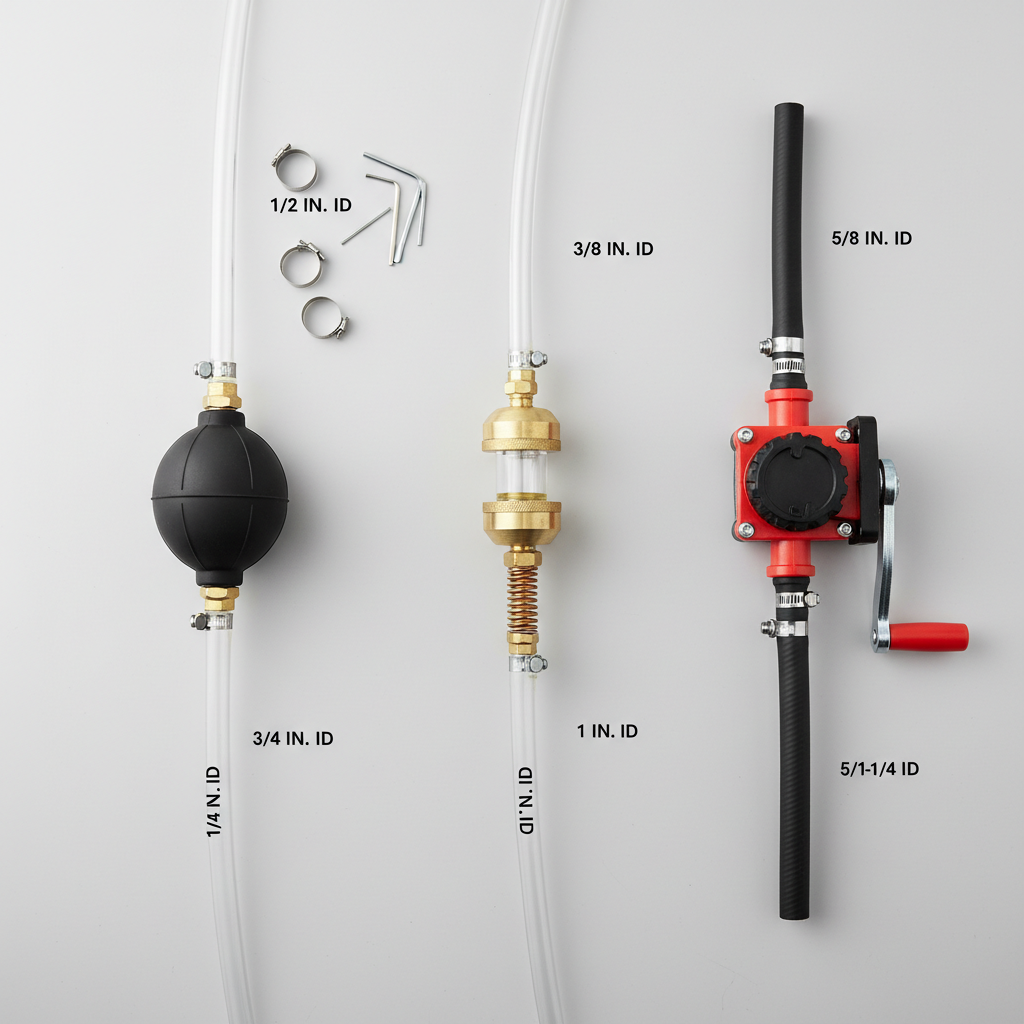
- Hand bulb siphon: quick priming, simple, great for cans and small tanks.
- Shaker siphon: uses a check valve and shaking motion, convenient for fuel cans, less control at the end.
- Rotary hand pump: more control, often better for thicker liquids, slightly bulkier.
2) Hose size and length (realistic expectations)
- Diameter: larger hoses move more volume but need more priming and space in the opening.
- Length: longer runs increase friction, flow drops, and priming becomes harder.
If you frequently do siphon pump liquid transfer from a tall container to a floor bucket, you can often use a shorter hose and let gravity do the work. If you need to reach into a deep tank, prioritize reach, then accept a bit less flow.
3) Material compatibility and temperature tolerance
- For fuel: look for hoses labeled fuel-resistant (commonly nitrile, certain PVC blends, or other fuel-rated polymers).
- For water: standard clear PVC may be fine, but check for kinking and fittings quality.
4) Control features
- Shutoff clamp or valve: helps stop flow without “pinch-and-pray.”
- Intake strainer: helps avoid pulling debris into the receiving container.
- One-way check valves: make priming easier and reduce backflow.
Quick comparison table: what to look for
If you just want a fast shortlist, this table covers typical priorities. Exact specs vary by brand, so treat it as a buying checklist rather than a guarantee.
| Scenario | Recommended pump type | Hose/material focus | Nice-to-have feature |
|---|---|---|---|
| Gas can to mower | Hand bulb | Fuel-rated hose, tight fittings | Inline shutoff valve |
| Diesel transfer on job site | Rotary or robust hand bulb | Fuel-rated, thicker wall, anti-kink | Strainer + clamp |
| Drain water from aquarium or cooler | Hand bulb or shaker | Clear hose for visibility | Flow-control clamp |
| Emergency water transfer (flooding) | Hand bulb | Longer hose, kink resistance | Wide intake screen |
Self-check: are you set up for a clean transfer?
Before you start, run this quick check. It prevents most of the “why did it stop flowing” moments.
- Height: receiving container sits lower than the source by a noticeable margin.
- Hose path: no sharp bends, no kinks, no high loops that trap air.
- Seal: intake connection feels snug, the bulb/check valve arrows point the right direction.
- Stability: source container cannot tip while you pump.
- Plan to stop flow: clamp/valve ready, or a safe way to raise the outlet above the source quickly.
For siphon pump liquid transfer with fuel, add two more checks: ventilation and ignition sources. If you smell strong fumes, pause and reassess where you are working.
Step-by-step: siphon transfer for fuel and for water
This is the routine that stays reliable across most home and light commercial situations.
Fuel transfer steps (gas/diesel/kerosene)
- Work in a ventilated area, keep the hose away from hot surfaces, and keep ignition sources away.
- Place the receiving container lower, open caps slowly to reduce splash and pressure surprises.
- Insert intake end so it stays submerged, then prime with the bulb or shaker motion until you see steady flow.
- Control the last 10%: slow down, watch the liquid level, and be ready to close a valve or clamp.
- To stop, close the valve or pinch with a clamp, then lift the outlet end above the source to break siphon.
According to the NFPA, flammable liquids such as gasoline require careful handling and storage practices to reduce fire hazards. If you are transferring larger volumes, consider grounding/bonding practices and consult a qualified professional for your environment.
Water transfer steps (utility water, non-potable)
- Rinse the hose if it has dust or residue, especially if water will sit in the line.
- Prime until bubbles clear, then keep the intake end away from sediment at the bottom.
- If flow slows, check for a kink or an air leak at the bulb connection.
For drinking water, stick to food-grade hoses and fittings. If you are unsure, it is safer to assume it is not potable-rated.
Mistakes that cause spills, backflow, or weak suction
Most problems come from a few repeat offenders. Fix these and your siphon behaves like it should.
- Outlet end not kept low: even a brief lift can introduce air and break the siphon.
- Priming too gently: with some bulbs, you need a firm rhythm until the hose fully fills.
- Loose connections: tiny air leaks matter more than people expect.
- Using the wrong hose for fuel: some plastics stiffen, swell, or crack over time.
- No end-of-transfer plan: the last seconds are where most spills happen.
If you keep getting bubbles, try shortening the run, tightening fittings, and avoiding a “hump” in the hose that traps air. Many people chase the bulb, but the hose routing is often the real issue.
Key takeaways (so you can decide fast)
- Siphon pump liquid transfer depends on height difference, an airtight path, and a submerged intake.
- Fuel jobs require fuel-rated materials, ventilation, and better control at shutdown.
- Choose hose diameter for the openings you actually have, not for an optimistic flow rate.
- A clamp or valve is a small upgrade that prevents most messy finishes.
When to get professional help (or switch tools)
If you are dealing with large fuel volumes, unknown chemicals, or a vehicle tank that resists siphoning, it may be safer to stop experimenting. This is especially true in enclosed spaces, around pilot lights, or anywhere fumes can accumulate.
In those cases, a licensed mechanic, marina technician, or safety professional can recommend an appropriate transfer method, and in some workplaces there are compliance requirements that go beyond a typical DIY setup.
Conclusion: a simple tool, when you respect the setup
A siphon pump is not fancy, but it earns its keep when you pick fuel-safe materials, keep the outlet lower than the source, and control the final seconds of flow. If you want one action step, set up your containers and hose routing first, then prime, that order prevents most frustration.
If you are shopping for a pump, start with compatibility and control features, then decide on hose length and diameter based on your actual containers. That tends to lead to cleaner transfers and fewer “why did this stop” surprises.
FAQ
- How do I prime a siphon pump liquid transfer hose faster?
Make sure the intake is fully submerged, the outlet is clearly lower, and the hose has no high loops. If it still struggles, check for tiny air leaks at the bulb connections. - Can I use the same siphon pump for fuel and water?
It is possible mechanically, but it is usually a bad idea. Residue from fuel can contaminate water lines, and “water-safe” tubing may not be fuel-rated. - Why does my siphon start strong and then slow down?
Common causes include a kink forming as the hose warms, the intake end sucking air as the source level drops, or a partial clog at a strainer or tank screen. - Is it safe to siphon gasoline by mouth if I’m careful?
No. Gasoline exposure can be harmful, and accidental ingestion or inhalation risk is real. Use a pump designed for fuel transfer instead and work in ventilation. - What hose material should I look for for gasoline transfer?
Look for products explicitly marked fuel-resistant or gasoline-compatible, and avoid generic tubing with no rating. If labeling is unclear, choose a different option. - How do I stop the siphon without spilling?
Close an inline valve or apply a clamp, then lift the outlet end above the source level to break the siphon. Have a rag ready, but the goal is not needing it. - Can a siphon pump move liquid uphill?
Not reliably. A siphon relies on gravity with the outlet lower than the source. For uphill transfer, use a powered pump rated for your liquid.
If you are trying to avoid spills during fuel can refills, or you need a more controlled way to drain water from tanks and containers, a well-chosen siphon setup can be the low-effort option that still feels “professional” in daily use, especially when you add a simple shutoff valve and fuel-rated hose.